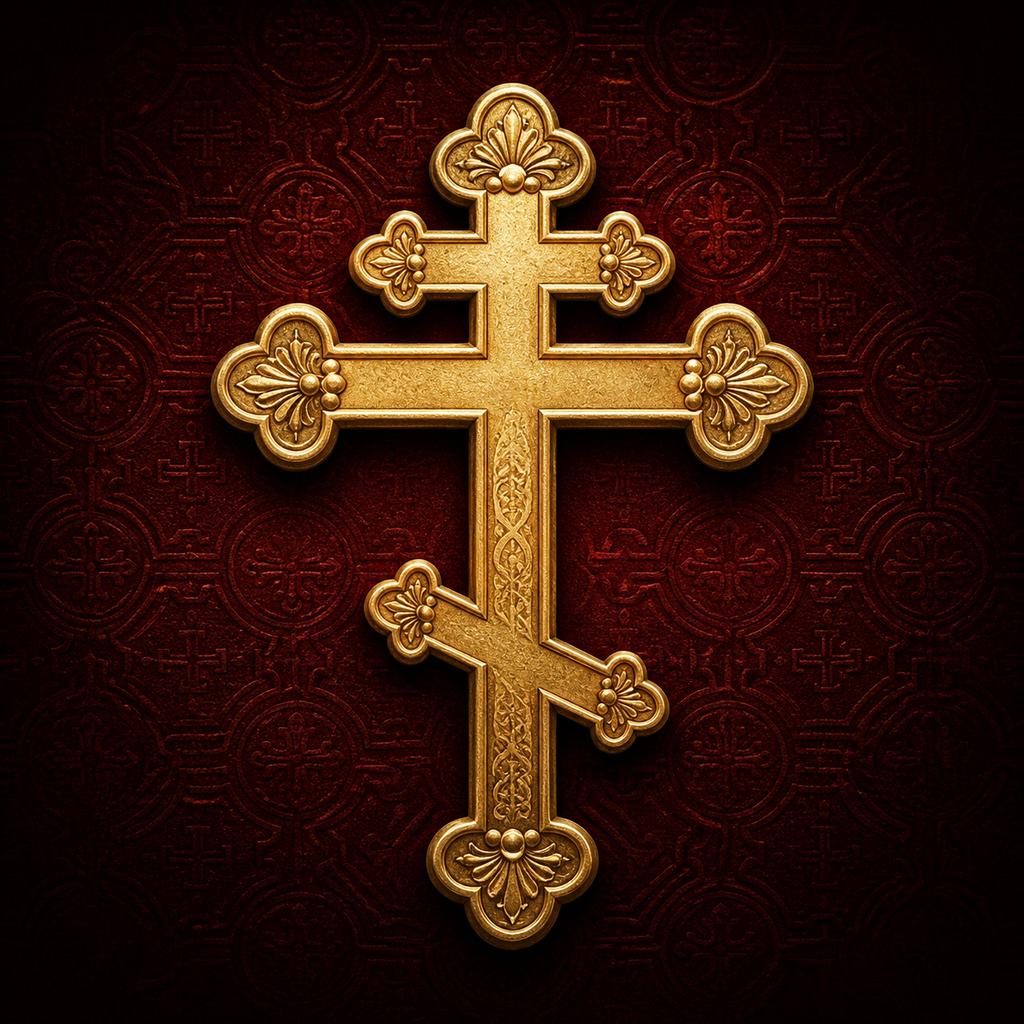
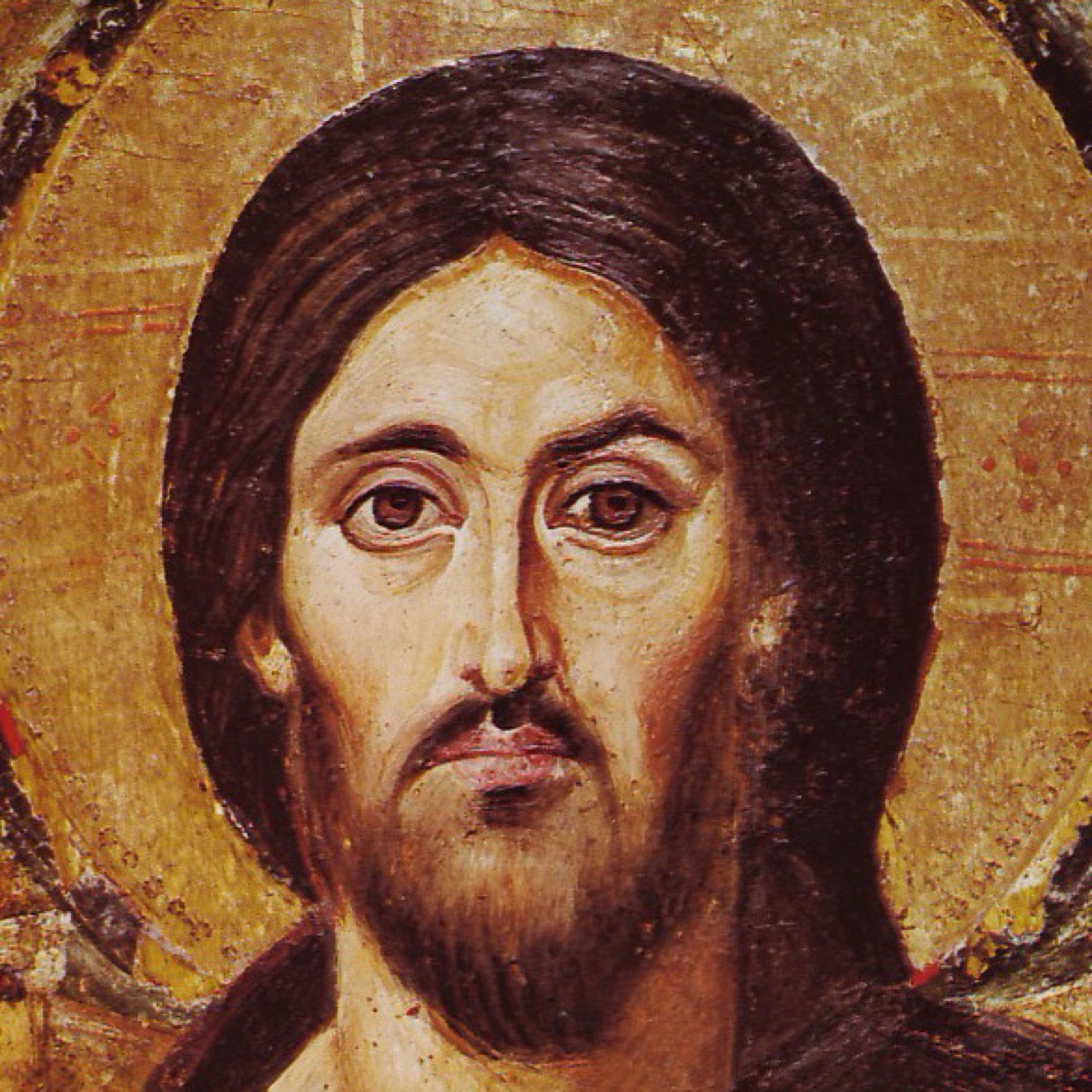
In Orthodox Christianity, icons are part of worship, prayer, memory, and teaching. They proclaim that the Son of God truly became man, and that matter can bear witness to grace.
Icons begin with Christ becoming visible.
The Church depicts Christ because the Son of God truly became man. Icons are therefore tied to the Gospel, not to decorative preference.
Honor passes to the person depicted.
Orthodox Christians do not worship wood, paint, or images. Worship belongs to God alone; veneration honors the prototype.
Sacred images should form attention.
Icons belong to worship, parish life, and home prayer. They should not become mood boards, collectibles, or religious branding.
Icons Discernment Guide
Icons are a confession of the Incarnation, not religious decor.
The safest way to learn icons is to keep six boundaries together: Christ, honor, saints, parish worship, home prayer, and digital reverence. Remove any one of them and the topic easily becomes sentiment, art talk, or superstition.
Icons Core Map
Icons are a confession of the Incarnation, not religious decoration.
Orthodox Christians venerate icons because the Word truly became visible flesh. Icons are not worshiped, treated as magic, or used as aesthetic branding; they belong to prayer, liturgy, saints, feasts, and the Church's confession of Christ.
Icon Literacy
Look through the icon toward Christ, not at the icon as an object of fascination.
Icons become intelligible when they are read inside the Incarnation, the Church calendar, worship, saints, feasts, and prayer. They are not Orthodox decoration and not a shortcut around repentance.
- Ask who or what is depicted.Christ, the Theotokos, a saint, an angel, or a feast each teaches within the Church's worship and calendar.
- Remember the prototype.Honor given before an icon passes to the person depicted; wood and paint are not worshiped.
- Let the icon gather prayer.At church or in a prayer corner, icons help attention return to God rather than to private imagination.
- Avoid superstition and collecting.An icon should lead to Christ, repentance, intercession, and worship, not lucky-object thinking or visual identity.
Icon Map
Icons are theology in color, not decoration for an Orthodox mood.
For a beginner, the safest order is simple: begin with the Incarnation, distinguish veneration from worship, read icons inside parish worship, and avoid using sacred images as aesthetic material.
The icon of Christ is not a claim that paint captures the divine essence. It confesses that the eternal Son became visible in real human nature.
Read IncarnationOrthodox Christians worship the Holy Trinity alone. Bowing or kissing an icon is an embodied honor directed to the person depicted.
Read venerationIcons are read with Scripture, hymnography, the Church year, the iconostasis, the saints, and the local parish's learned practice.
Read worshipOnline Orthodox projects should avoid treating icons as blurred backgrounds, mood boards, collectibles, or generic religious stock art.
Read the guardrailVisitor Guide
Respect comes before imitation.
A first-time visitor does not need to copy every gesture immediately. Watch quietly, ask sincere questions, and learn the difference between worship, veneration, prayer, honor, and superstition through actual parish life.
- Notice the context.Icons are surrounded by hymns, candles, Scripture, processions, feasts, and the sign of the Cross; they are not isolated art objects.
- Do not force gestures.If you are unsure whether to kiss or bow before an icon, it is fine to observe respectfully and ask later.
- Keep home use sober.A small icon of Christ, the Theotokos, and a patron saint can support prayer better than a large collection gathered for atmosphere.
The Incarnation is the foundation
Orthodox icons are rooted in the confession that the invisible Son of God truly became visible in Jesus Christ. Because Christ took real human nature, the Church can depict Him. Icons are therefore not a denial of spiritual worship, but a confession that God has entered material creation.
This is why icons cannot be understood as a decorative preference. The icon of Christ is tied to the Gospel itself: the Word became flesh. Orthodox theology does not claim that paint captures the divine essence. It confesses that the incarnate Son can be depicted according to His real humanity.
Material creation is not treated as evil
The Orthodox defense of icons also protects the goodness of creation. Wood, pigment, gold, stone, water, bread, wine, oil, incense, bodies, gestures, and voices can all be taken into worship because God created the material world and the Son of God truly entered it. The Church does not worship matter, but she does not despise it.
This helps explain why Orthodox worship is so physical. Bowing, crossing oneself, lighting candles, kissing icons, hearing chant, smelling incense, and receiving the Eucharist all teach that salvation is not an escape from embodied life. The whole person is drawn into prayer.
Veneration is not worship
Orthodox Christians do not worship wood, paint, or images. Worship belongs to God alone. Veneration given before an icon passes to the person depicted: Christ, the Theotokos, or the saints.
This distinction is essential. To bow, kiss an icon, or light a candle is not to treat the object as God. It is an embodied act of honor, prayer, and remembrance within the worshipping life of the Church.
Icon is not idol
An idol is treated as a god or false divine power. An Orthodox icon is not treated that way. It is a holy image that points beyond itself to the prototype: Christ, the Theotokos, an angel, a saint, or a feast of the Church.
The difference is not a loophole or word game. Orthodox theology insists that worship belongs to God alone. The icon is honored because the person depicted is honored. The wood and paint are not a rival object of worship.
Icon Veneration System
Orthodox icon use must protect Incarnation, honor, material creation, and worship.
A serious icon guide should not only say “icons are not idols.” It should show why icons belong to Orthodox faith: Christ became visible, honor passes to the prototype, worship belongs to God alone, creation is not despised, and sacred images must remain connected to prayer.
The icon of Christ confesses the visible humanity of the Word made flesh without claiming to contain the divine essence.
Veneration given before an icon is directed to the person depicted, not to material as a rival divine power.
The Orthodox distinction between veneration and worship is not optional; it is what keeps icon use from idolatry.
Wood, pigment, candles, incense, water, bread, wine, bodies, and gestures can be taken into worship because the Creator entered creation.
Icons at home should gather prayer, repentance, intercession, and remembrance, not become collecting, superstition, or visual identity.
Apps and websites should use icons with context, restraint, attribution where possible, and reverence rather than blurred atmosphere.
Icons are not props for an Orthodox aesthetic.
A beautiful icon can still be misused if it becomes decoration, superstition, online identity, or visual noise. The Orthodox use of icons is sober: Christ is confessed, saints are honored, prayer is gathered, and the faithful are called to repentance.
Source & Practice Ledger
Icons should be read with doctrine, worship, and disciplined restraint.
A serious Orthodox icon guide should make its boundaries visible. Icons are not explained by mood alone: they belong to the Incarnation, the received distinction between worship and veneration, the Church's liturgical space, the calendar, the saints, and accountable parish practice.
Icons of Christ depend on the confession that the Son of God truly became visible and human, not on a general love of sacred art.
The Seventh Ecumenical Council defended the proper veneration of holy icons while preserving worship for God alone.
The iconostasis, feast icons, processions, lamps, and parish practice teach that icons belong to worship, not isolated visual consumption.
Icons of saints do not replace Christ. They witness that human lives can be transfigured by Him and remembered in prayer.
A few icons used faithfully with prayer, Scripture, and repentance are healthier than a collection arranged mainly for atmosphere.
Apps and websites should avoid cropping icons into decorative texture, using them as clickbait, or presenting sacred images without explanation.
| Question | Orthodox answer |
|---|---|
| Is the icon worshiped? | No. Worship belongs to the Holy Trinity alone. |
| Why kiss or bow before it? | As an embodied act of honor directed to the person depicted. |
| Can an icon replace repentance? | No. Icons should lead toward prayer, repentance, worship, and love. |
| Should a visitor feel forced? | No. Visitors can observe respectfully and ask questions. |
The Seventh Ecumenical Council
The Orthodox defense of icons is connected to the Seventh Ecumenical Council in 787. The Church rejected iconoclasm because the refusal of holy images threatened the confession of the Incarnation. If Christ has truly become man, He may be depicted according to His humanity.
The council also clarified the difference between worship and veneration. Orthodox Christians do not give divine worship to icons. They honor the prototype: the person represented. This is why icon veneration belongs inside the Church's confession of Christ, not outside it as a separate visual religion.
Sunday of Orthodoxy
The first Sunday of Great Lent is often called the Sunday of Orthodoxy, when the Church remembers the restoration of icons and the triumph of the Orthodox faith. This commemoration is not merely an art celebration. It confesses that Christ is truly incarnate and that the Church's worship is not ashamed of sanctified material creation.
For a beginner, this feast helps show why icons are doctrinal as well as devotional. The Church does not defend icons because she likes religious beauty; she defends them because the truth of Christ's Incarnation changes how Christians understand bodies, images, saints, worship, and creation.
Icons teach the faith
Icons are theological. Their forms, gestures, colors, inscriptions, and scenes carry meaning. They are not meant to flatter the eye, but to open the heart toward prayer and truth. An icon of a feast teaches the event; an icon of a saint teaches transfigured human life.
An icon does not work like a naturalistic portrait or a museum painting. It is stylized, restrained, and liturgical. The purpose is not to entertain imagination but to form attention. The icon invites the faithful to see creation, bodies, history, and human faces in the light of Christ.
Major icon types a beginner will meet
A visitor does not need to learn every icon at once. It is better to recognize the basic families of icons and how they function in worship. Icons of Christ confess the Incarnation and His lordship. Icons of the Theotokos usually show her relation to Christ. Icons of saints reveal holiness in human life. Icons of feasts teach the events of salvation history as the Church celebrates them.
These categories prevent a common mistake: treating icons as isolated religious pictures. In Orthodox life, each icon belongs to a larger web of Scripture, hymns, feast days, saints, councils, and parish worship.
Confesses the incarnate Lord, true God and true man, blessing and teaching His Church.
Usually points to Christ and protects the truth of His real birth and Incarnation.
Shows that the Gospel can be lived in martyrs, pastors, monastics, families, and local saints.
Teaches Annunciation, Nativity, Theophany, Pascha, Dormition, and other saving events.
How to read an icon without reducing it
Do not begin by asking whether the icon looks realistic. Ask what it confesses. Who is depicted? What feast or saint is remembered? What does the gesture, inscription, blessing hand, scroll, book, halo, mountain, city, cave, or garment teach? How does the icon direct attention toward Christ?
Some icons are simple and others are dense with liturgical meaning. A visitor does not need to decode every detail immediately. The better approach is patient attention: learn the main icons first, listen to the hymns of the feast, and let the parish's worship teach the image.
| Icon detail | What to ask first |
|---|---|
| Inscription | Who is named, and is this Christ, the Theotokos, a saint, or a feast? |
| Gesture | Is the figure blessing, pointing to Christ, praying, teaching, or receiving grace? |
| Book or scroll | Is the icon showing teaching, prophecy, Gospel proclamation, or monastic counsel? |
| Feast scene | Which event is the Church celebrating, and what hymns explain it? |
Iconostasis and church space
In many Orthodox churches, icons form an iconostasis between the nave and the altar. This is not a wall of separation in the ordinary sense. It reveals the communion of heaven and earth: Christ, the Theotokos, angels, saints, and the worshipping Church are shown together.
The iconostasis also teaches that worship is not only the activity of those visible in the room. The Church worships with angels and saints, and the icons make this communion visible. A visitor should not read the iconostasis as a barrier, but as a theological screen revealing the Kingdom.
Icons in daily prayer
Many Orthodox homes have a small prayer corner with icons, a lamp or candle, prayer books, and Scripture. The icon helps gather attention and reminds the believer that prayer is communion, not private imagination.
At home, icons should support a sober rhythm of prayer. They are not collected to create a mood or aesthetic identity. A simple icon of Christ, the Theotokos, a patron saint, and perhaps a feast can be more spiritually useful than many images gathered without prayer.
Building a home icon corner without turning it into decor
A beginner's home icon corner can be very simple. Start with an icon of Christ and an icon of the Theotokos. If you have a patron saint, add that saint when possible. Keep a prayer book or printed prayers nearby. If your parish practice blesses icons, ask your priest how that is normally done.
The point is not to create a perfect photographable corner. The point is to have a place where attention can return to God. A small, clean, reverent place used daily is better than a visually impressive arrangement that is rarely used for prayer.
Home icon corner path
Use icons as part of a full prayer life, not as isolated sacred objects.
How visitors can approach icons
If you are visiting an Orthodox parish for the first time, you do not need to understand or imitate every gesture immediately. Watch quietly. Ask a parishioner or priest when appropriate. If people bow, kiss icons, light candles, or make the sign of the cross, they are acting within a learned worship tradition, not performing private magic.
Respect is enough at the beginning. Stand or sit without mocking what you do not yet understand. Over time, the difference between worship, veneration, prayer, honor, and superstition becomes clearer through actual parish life.
Icons of Christ, the Theotokos, saints, and feasts
Different icons teach different aspects of the same faith. An icon of Christ confesses the Incarnation. An icon of the Theotokos usually points to Christ and protects the truth that He was truly born of her. Icons of saints show holiness in human life. Feast icons teach the Church year visually.
This is why icons belong naturally with the calendar, saints, name days, and parish worship. They are not isolated objects; they are part of a whole liturgical world.
How To Read
A visitor should read icons slowly, inside worship.
Orthodox icon literacy is not about decoding hidden symbols as quickly as possible. It begins by asking what the Church is confessing and how the image belongs to prayer.
- 01Name the person or feast.Start with the inscription and the liturgical context before interpreting details.
- 02Look for Christ.Even icons of saints, feasts, and the Theotokos finally make sense through Christ and His Kingdom.
- 03Listen to the hymns.The troparion, kontakion, Scripture readings, and feast texts often explain what the icon shows.
- 04Stay reverent.Do not treat icons like museum puzzles, online aesthetics, or private spiritual objects detached from the Church.
Icons study path
What icons are not
Icons are not lucky charms, aesthetic collectibles, or substitutes for repentance. They should not be used superstitiously or treated as spiritual decor. Their proper home is prayer, worship, humility, and the life of the Church.
Why image use should be reverent online
Because icons are sacred images, Orthodox websites and apps should handle them with restraint. An icon should not be cropped into a background texture, used as a decorative mood, or treated like generic religious stock art. When possible, sources, permissions, and context should be clear.
This matters for Orthodox Daily Prayer as well. A premium design for an Orthodox app should not mean turning holy images into visual noise. The better direction is quiet hierarchy, readable teaching, careful attribution, and images that support prayer rather than compete with it.
Icons, screenshots, and digital reverence
Digital Orthodox projects face a real tension. Icons can make an interface feel sacred, but careless use can make sacred images feel like branding material. A serious Orthodox app or website should avoid using icons as blurred backgrounds, cropped texture, clickbait thumbnails, or decorative filler.
A more reverent approach is to keep sacred images readable, attributed when possible, and connected to prayer or teaching. If an app shows a saint, feast, or icon, it should help the reader understand and pray more attentively rather than merely adding atmosphere.
How to approach icons in a parish
Visitors should not feel pressured to imitate every gesture before understanding it. Watch how the parish worships, ask respectful questions, and notice that icon veneration is woven into prayer, hymns, candles, processions, feasts, and the sign of the Cross. It is a learned ecclesial language, not spontaneous private magic.
For Orthodox Christians, the same humility applies at home. A prayer corner should remain simple, prayerful, and integrated with parish life. More icons do not automatically mean deeper prayer. A few icons received reverently and used faithfully can teach more than a large collection gathered for atmosphere.
Questions people ask
Do Orthodox Christians worship icons?
No. Worship belongs to God alone. Orthodox Christians venerate icons, and that honor is directed to the person depicted, not to wood, paint, or material as God.
Why are icons connected to the Incarnation?
Because the Son of God truly became visible in Jesus Christ. Icons of Christ confess that He became genuinely human while remaining truly God.
What did the Seventh Ecumenical Council teach about icons?
It defended the proper use and veneration of holy icons against iconoclasm, while maintaining that worship belongs only to God.
Can icons be used at home?
Yes. Many Orthodox Christians keep a prayer corner with icons, Scripture, and a candle or lamp. Home icons should support prayer, not become superstition or decoration.
Should a visitor kiss icons in an Orthodox church?
Visitors are not forced to venerate icons. A visitor may observe respectfully, ask questions, and follow parish guidance rather than imitating gestures without understanding.
Which icons should a beginner have at home?
A simple beginning is usually an icon of Christ, an icon of the Theotokos, and possibly a patron saint. Ask your priest if you are unsure, and avoid turning icons into a collection.
Are Orthodox icons mainly art?
No. Icons can be beautiful, but their purpose is liturgical, doctrinal, and devotional. They are read inside worship, Scripture, hymnography, the saints, and the confession of Christ.
Can Orthodox apps and websites use icons?
Digital use can be appropriate when it is reverent, contextual, and restrained. Icons should not be flattened into branding, blurred decoration, clickbait, or generic atmosphere.
Source note
This article follows the Orthodox distinction between worship and veneration and treats icons through the Incarnation, the Church's worship, and the teaching received through the Seventh Ecumenical Council.
Source Trail
Read this topic with the Church, not only the internet.
These links give a cautious path for checking the topic further. They do not replace parish worship, confession, pastoral guidance, or the calendar used by your bishop and local parish.
Visual Restraint
Let sacred images remain sacred.
Orthodox Daily Prayer keeps the interface quiet so icons, prayers, Scripture, and the calendar support attention rather than becoming decoration.
Icons should be received through the life of the Church, not used as mood boards or religious collectibles.