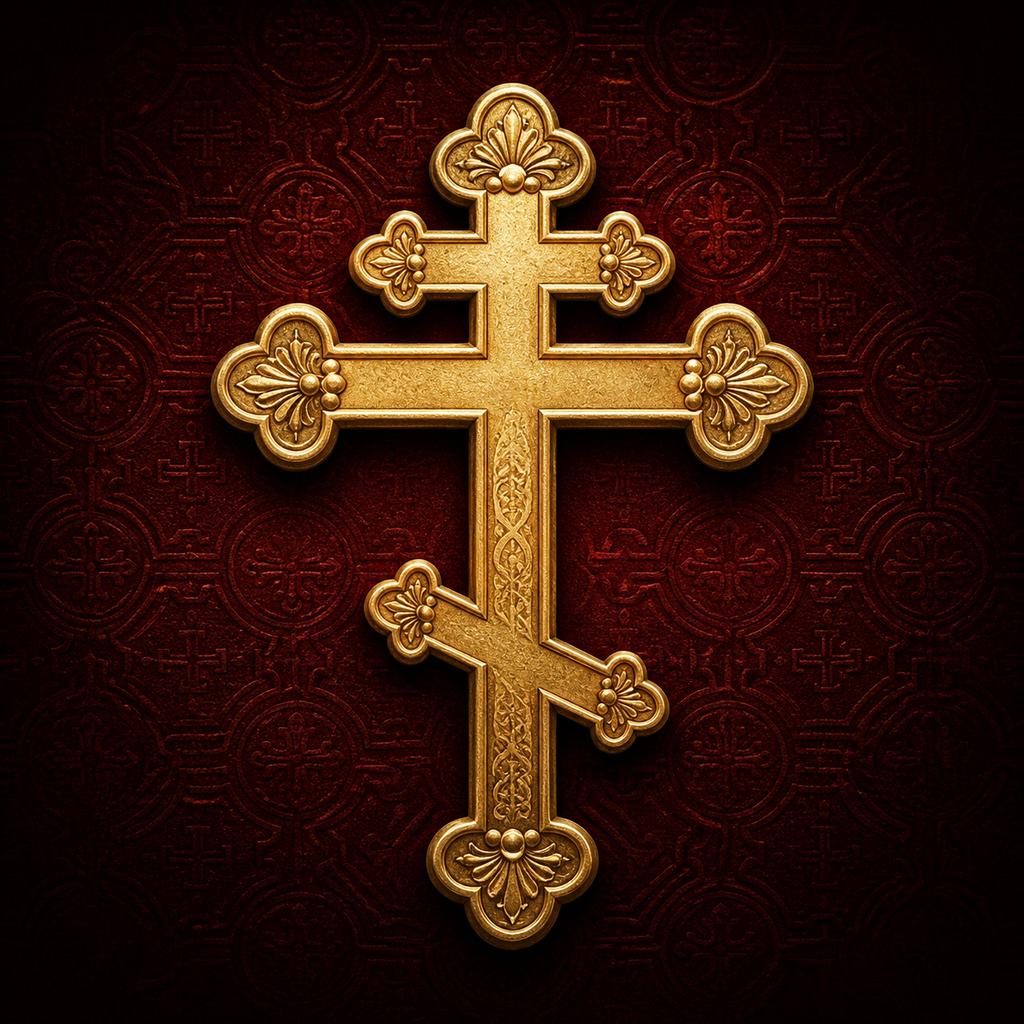

Orthodox Christianity is not built on private interpretation or modern invention. The faith is received through Scripture, worship, the Fathers, councils, icons, saints, and the living Tradition of the Church.
The councils defended the apostolic faith when confusion threatened the confession of Christ and the Trinity.
Council language is precise so that prayer, icons, sacraments, and hope remain truthful.
The councils belong to Scripture, Liturgy, bishops, Fathers, saints, and the Church's living Tradition.
Pastoral note
The councils should not turn beginners into harsh online judges. Learn them as guardians of worship and salvation: Christ is true God and true man, the Spirit is Lord, Mary is Theotokos, and icons confess the Incarnation.
History That Protects Prayer
The councils are best read by asking what truth they protected for worship and salvation.
They are not trivia, factional ammunition, or abstract church politics. They defend the Church's confession of Christ, the Trinity, the Theotokos, icons, and the hope of union with God.
Each council answers a crisis about Christ, the Holy Spirit, the Theotokos, wills, energies, or icons.
The teaching appears in the Creed, hymns, feasts, icons, Liturgy, and sacramental life.
Council language should make beginners more reverent and precise, not harsher or theatrical.
The councils matter because salvation depends on who Christ is and how God truly saves.
Councils Discernment Guide
The councils are not history trivia. They protect the faith the Church prays.
A beginner should read the Seven Councils through six living connections: Trinity, Creed, Theotokos, Christology, icons, and reception. That keeps doctrine from becoming either internet ammunition or disconnected dates.
Councils Core Map
The councils clarify the apostolic faith so the Church can worship truthfully.
Orthodox Christians do not treat the Seven Ecumenical Councils as detached history, political nostalgia, or new doctrine. They are received as public clarifications of the faith already lived in Scripture, Liturgy, Creed, bishops, Fathers, saints, icons, and sacramental life.
Why councils mattered
The Ecumenical Councils answered crises that touched the heart of the Gospel. Who is Christ? Is the Son truly God? Is the Holy Spirit divine? Can Mary rightly be called Theotokos? Are icons a denial of God, or a confession that the Word truly became flesh?
The councils did not create a new faith. They defended the apostolic faith against distortions, often with precise language because vague language could no longer protect the truth.
In Orthodox Christianity, a council is received as ecumenical not merely because a meeting happened, but because the Church recognizes its teaching as faithful to the apostolic faith. The councils belong to the same life as Scripture, liturgy, episcopal oversight, saints, hymnography, and the sacraments. They are doctrinal landmarks inside the worshiping Church.
Councils learning sequence
Read each council by the truth it protects, then follow that truth back into worship.
| Council | Year | Main Orthodox concern | Why it still matters |
|---|---|---|---|
| Nicaea I | 325 | Confessed the Son as truly divine, begotten of the Father, not created. | Protects Christian worship of Christ as true God. |
| Constantinople I | 381 | Completed the Creed's confession of the Holy Spirit and reaffirmed the Nicene faith. | Guards Trinitarian faith and the Creed prayed in Liturgy. |
| Ephesus | 431 | Defended the title Theotokos and the unity of Christ's person. | Shows that Mary bore the one incarnate Son of God. |
| Chalcedon | 451 | Confessed Christ as one person in two natures, fully God and fully man. | Keeps salvation rooted in the real Incarnation. |
| Constantinople II | 553 | Clarified Christological teaching while remaining faithful to Chalcedon. | Protects the Church's confession of the one Christ. |
| Constantinople III | 680-681 | Defended the fullness of Christ's divine and human wills. | Affirms that Christ heals the whole human person. |
| Nicaea II | 787 | Defended the proper veneration of holy icons against iconoclasm. | Connects icons to the truth that the Word became visible flesh. |
What "ecumenical" means in Orthodox use
Ecumenical does not mean vague religious compromise. In this context it means a council received by the Church as bearing universal doctrinal authority for the faithful. The councils are not treated as replacements for Scripture, but as authoritative witnesses to how the Church reads Scripture within Holy Tradition.
This is why Orthodox Christians do not approach doctrine as isolated Bible verses plus private opinion. The same Church that preserved the Scriptures also confessed the Creed, defended Christ's divinity, honored the Theotokos, and distinguished the veneration of icons from worship due to God alone.
Ecumenical councils and local councils
Orthodox history includes many councils: parish, diocesan, regional, local, and wider gatherings of bishops. Not every council is Ecumenical, and not every large council was received by the Church as faithful. The Orthodox Church especially receives the first seven councils as Ecumenical because their teaching has been recognized by the Church as a universal witness to the apostolic faith.
This distinction protects readers from a flat view of history. Councils are not automatically authoritative just because bishops gathered. They are received, tested, and remembered within the Church's Holy Tradition. Some local councils also became important because their decisions were received as genuine expressions of Orthodox faith and life, but they do not replace the unique place of the Seven Ecumenical Councils.
Reception Architecture
Orthodox authority is conciliar, liturgical, episcopal, patristic, and received in the life of the Church.
A council becomes more than an event when its teaching is recognized as faithful to the apostolic faith. Orthodox reception is not a popularity vote; it is the Church's sober recognition that the council speaks truthfully with Scripture, worship, the Fathers, bishops, saints, icons, and sacramental life.
They do not replace Scripture. They defend the Church's faithful reading of Scripture when distorted readings threaten worship and salvation.
Conciliar truth is not sealed away in archives. It is confessed in Liturgy, baptism, feasts, icons, and ordinary parish life.
Orthodox councils are not private theories. Bishops gather to guard the faith entrusted to the Church, especially when error becomes public.
Terms such as essence, person, nature, will, and veneration protect worship from vagueness, not because God is a formula.
Councils often address Church order because truth is lived in concrete communion, not only as abstract propositions.
History includes contested meetings. Orthodox memory receives councils that witness to the apostolic faith and rejects false or unstable claims.
A gathering is not enough.
Orthodox reception matters. A council is not treated as Ecumenical merely because it was large or politically important.
The faith is clarified, not invented.
Council definitions guard the apostolic faith already lived in Scripture, worship, sacraments, and the saints.
Doctrine returns to prayer.
The purpose is not argument culture. The councils protect worship, icons, confession, and salvation.
What the councils are not
The councils are not academic trivia, political nostalgia, or a replacement for the Gospel. They are also not a license for beginners to become harsh online judges of every Christian phrase they encounter. Their purpose is to guard the Church's confession so that worship, prayer, sacraments, icons, and hope remain truthful.
A serious Orthodox approach receives the councils inside humility. The language is precise because the mystery is real, not because God can be reduced to formulas. Council teaching should make a person more faithful in prayer, not merely sharper in argument.
The Creed and worship
The Creed is not just a classroom summary. It is prayed in the Divine Liturgy and confessed at baptism. This shows the Orthodox pattern: doctrine is not separated from worship.
The first two councils are especially connected with the Creed as Orthodox Christians know it liturgically. The Creed confesses one God, the Father Almighty; one Lord Jesus Christ, true God of true God; and the Holy Spirit, the Lord and Giver of Life. These are not abstract formulas. They name the God whom the Church worships.
What each council protects in ordinary language
For readers who are not historians, the fastest way to understand the councils is to ask what would be lost if the Church had not defended that teaching.
| Council concern | If this is lost | What the Church protects |
|---|---|---|
| The Son is true God | Prayer to Christ and salvation in Christ become confused. | The Son is eternally begotten, not a creature. |
| The Holy Spirit is divine | Sanctification becomes detached from the life of God. | The Spirit is Lord and Giver of Life. |
| Mary is Theotokos | Christ risks being divided into separate subjects. | The one born of Mary is God incarnate. |
| Christ is fully God and fully man | Human nature is not truly healed and united to God. | One person in two natures, without confusion or separation. |
| Icons may be venerated | The visible Incarnation is obscured. | The honor given to the image passes to the prototype; worship belongs to God alone. |
Common names of the controversies
Many readers meet the councils through names of controversies: Arianism, Pneumatomachianism, Nestorianism, Monophysitism, Monothelitism, and Iconoclasm. These names can be useful, but they can also become labels thrown around carelessly. The safer approach is to learn what truth each controversy threatened.
| Term you may see | Basic issue | Orthodox concern |
|---|---|---|
| Arianism | The Son treated as less than truly divine. | Christ is true God, not a creature. |
| Pneumatomachianism | The Holy Spirit denied full divine honor. | The Spirit is Lord and Giver of Life. |
| Nestorian controversy | Christ's person risked being divided in how His humanity and divinity were described. | The one born of Mary is the incarnate Son of God. |
| Monophysite controversy | Christ's full humanity and full divinity risked being confused or collapsed. | Christ is one person in two natures, without confusion or separation. |
| Monothelitism | Christ's human will was denied or obscured. | Christ heals human willing and action by assuming true humanity. |
| Iconoclasm | Holy icons were rejected as improper or idolatrous. | Because the Word became visible flesh, Christ may be depicted; worship belongs to God alone. |
Icons and the Incarnation
The Seventh Ecumenical Council is especially important for understanding Orthodox icons. Icons are possible because the Son of God truly became visible in the flesh. The honor shown to an icon is not worship of wood or paint, but reverence directed toward the person represented.
This is why the Seventh Council belongs with Christology, not only with church art. The same logic that protects the Incarnation also protects a reverent use of material things in worship: icons, Gospel books, the Cross, holy vessels, relics, oil, water, bread, wine, candles, and incense all belong in a world where God has entered creation.
How council teaching appears in parish life
A person does not need to read the council acts before noticing council teaching in church. The Creed is confessed in worship. Icons are venerated. The Theotokos is honored in hymns. Christ is worshiped as Lord. The Holy Spirit is invoked. Feasts proclaim the Incarnation, Cross, Resurrection, Ascension, and Pentecost. The councils live in the ordinary sound and gesture of the parish.
This is why doctrine should never be separated from prayer. Orthodox Christians do not only believe that Christ is true God and true man; they sing it, confess it, bow before it, fast and feast according to it, and receive salvation through the sacramental life of the Church.
Parish Reality
The councils are heard before they are footnoted.
Most Orthodox Christians meet council teaching first in worship: sung, confessed, venerated, and prayed before it is studied historically.
- 01The Creed is recited.Nicaea and Constantinople shape the parish's ordinary confession.
- 02Christ is worshiped.The Son is true God, so prayer to Christ is not idolatry.
- 03The Theotokos is honored.Ephesus protects the unity of the incarnate Son.
- 04Icons are venerated.Nicaea II keeps icon veneration tied to the visible Incarnation.
| In parish life | Council teaching quietly present |
|---|---|
| Reciting the Creed | Nicaea and Constantinople shape the Church's Trinitarian confession. |
| Venerating an icon of Christ | Nicaea II confesses that the Word truly became visible flesh. |
| Calling Mary Theotokos | Ephesus protects the confession that her Son is God incarnate. |
| Praying to Christ as Lord | Nicaea protects worship of Christ as true God. |
| Hearing Holy Week and Paschal hymns | Christ's real humanity, death, descent, Resurrection, and divine glory are confessed liturgically. |
How to study the councils
Beginners should not try to master every controversy at once. Start with the questions the councils protect: Christ is true God, the Holy Spirit is divine, Mary is Theotokos because her Son is truly God incarnate, Christ is one Person in two natures, and holy icons confess the reality of the Incarnation. Historical detail matters, but doctrine should lead back to worship, repentance, and communion with Christ.
A better path is layered: first learn the Creed, then the Trinity, then why Christology matters for salvation, then why the Theotokos title protects Christ's person, then why icons belong to the confession of the visible Incarnation. This order keeps the councils from becoming a list of disconnected disputes.
A beginner path through the councils
Use this order if the page feels dense. It follows how doctrine becomes visible in worship.
How councils protect ordinary prayer
The councils can sound remote until their pastoral purpose is seen. If Christ is not truly God, prayer to Christ becomes confused. If Christ is not truly human, human nature is not healed. If Mary is not confessed as Theotokos, the unity of the incarnate Son is weakened. If icons are rejected as impossible, the visibility of the Incarnation is obscured.
For this reason, Orthodox doctrine is not a specialist hobby. The councils protect the prayers, hymns, icons, sacraments, and hope of ordinary Christians. They guard the faith that a parish sings before it analyzes.
Why the councils matter for modern searchers
People searching for Orthodoxy often want to know whether the Church has continuity or merely old aesthetics. The councils give a concrete answer: the Church has guarded the confession of Christ through real historical crises, not by inventing new beliefs, but by clarifying the apostolic faith when distortion made clarity necessary.
This also protects seekers from reducing Orthodoxy to ethnicity, architecture, chant, or internet debate. The councils show that Orthodox beauty rests on doctrinal truth. Icons, hymns, feasts, sacraments, and prayer all depend on who Christ is and how the Church confesses the Holy Trinity.
Common questions about the councils
How many Ecumenical Councils does the Orthodox Church receive?
The Orthodox Church receives the first seven Ecumenical Councils as authoritative witnesses to the apostolic faith, especially concerning the Holy Trinity, Christ, the Theotokos, and icons.
Did the councils invent Orthodox doctrine?
No. Orthodox teaching understands the councils as defending and clarifying the apostolic faith already received in the Church, especially when false teaching made precise language necessary.
Why does the Seventh Ecumenical Council matter for icons?
The Seventh Ecumenical Council defended the veneration of holy icons, distinguishing reverence shown to the image from worship, which belongs to God alone.
Are local Orthodox councils unimportant?
No. The Orthodox Church especially receives the first seven councils as Ecumenical, but local councils can also be important when their teaching is received by the Church as faithful to Orthodox faith and life.
Why are the councils connected to salvation?
The councils protect the Church's confession of who Christ is. If Christ is not truly God and truly man, the Orthodox understanding of salvation, worship, sacraments, icons, and union with God becomes distorted.
What does reception mean for an Orthodox council?
Reception means the Church recognizes a council's teaching as faithful to the apostolic faith. A meeting is not treated as Ecumenical simply because bishops gathered or because it was politically important.
Should beginners study every council controversy first?
No. Beginners should first learn what each council protects for worship and salvation: Christ, the Trinity, the Theotokos, icons, and the Church's confession.
Why does Orthodox Christianity connect councils with worship?
Orthodox doctrine is confessed in the worshiping Church. The councils guard the truth that appears in the Creed, Divine Liturgy, hymns, icons, feasts, sacraments, and the Church's prayer.
Council study path
Use the councils as a doorway into the Creed, Christology, icons, and Orthodox worship.
Source note
This guide follows standard Orthodox teaching on the first seven Ecumenical Councils, the Creed, Christology, the Theotokos, and the defense of icons. It is introductory and should be read with Orthodox catechetical sources.
Source Trail
Read this topic with the Church, not only the internet.
These links give a cautious path for checking the topic further. They do not replace parish worship, confession, pastoral guidance, or the calendar used by your bishop and local parish.
Doctrine In Prayer
Let councils lead back to worship.
Orthodox Daily Prayer helps keep the Creed, Scripture, feasts, saints, icons, and daily prayer connected instead of isolated as abstract facts.
This page is a simple introduction. The history of the councils is complex, and serious study should use primary texts and Orthodox catechetical sources.