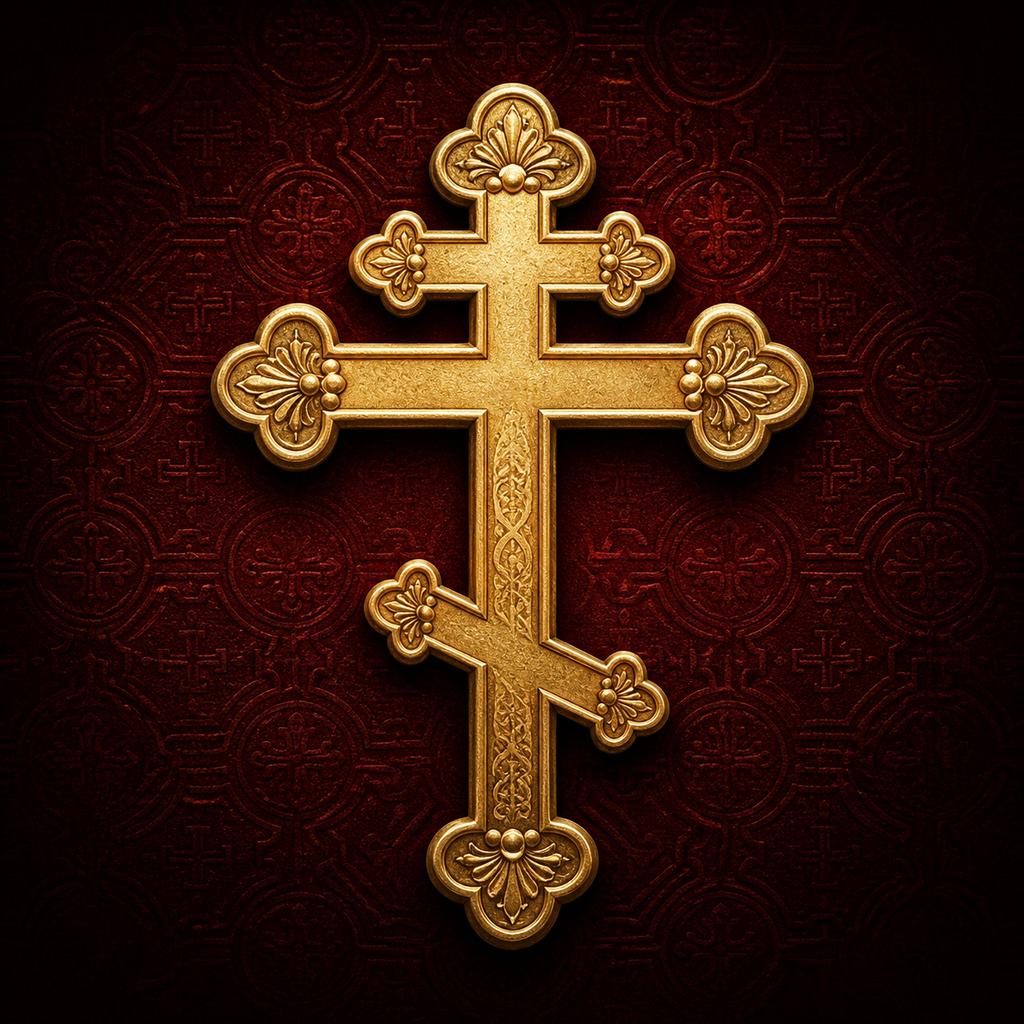
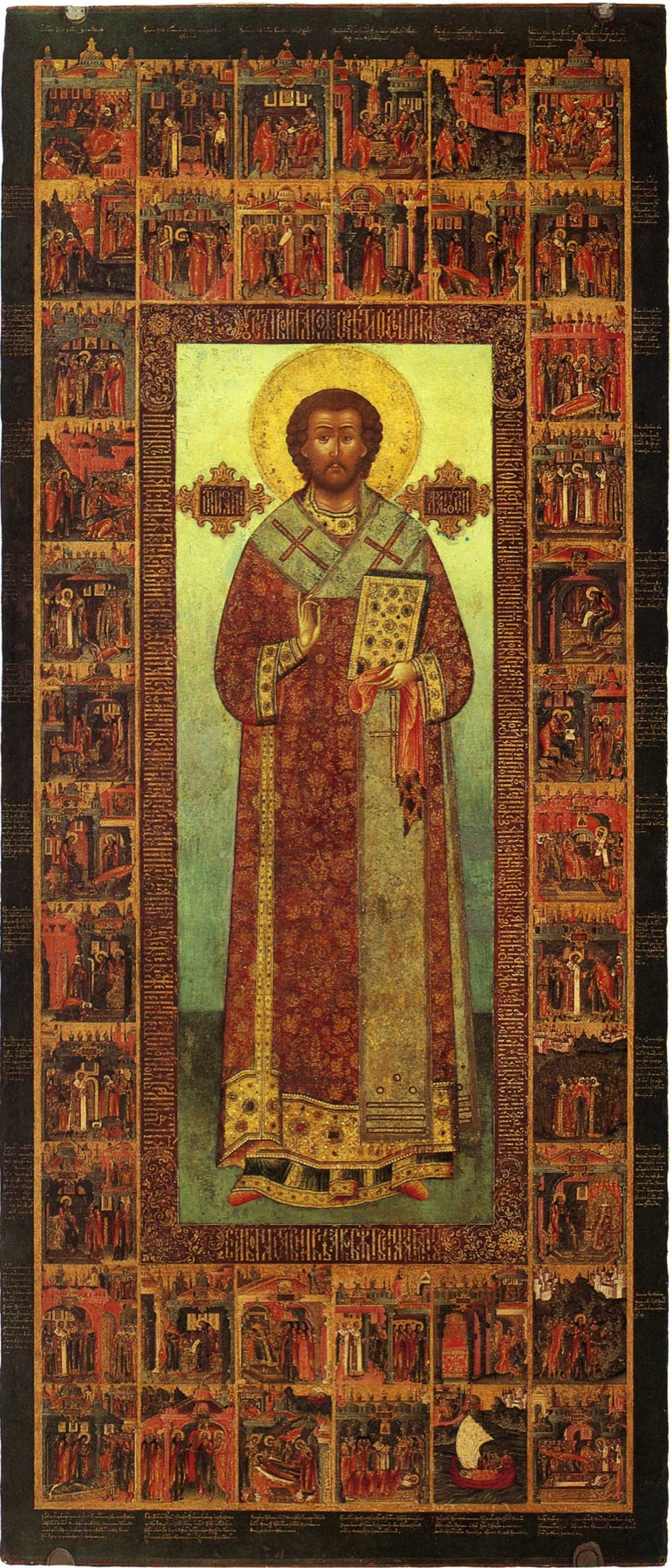
Holy Tradition is not merely old custom. It is the Church's faithful handing-on of the apostolic faith in worship, Scripture, doctrine, councils, icons, hymns, saints, and the life of prayer.
The Bible is central in Orthodox worship, preaching, prayer, and doctrine.
Holy Tradition is not nostalgia; it is the Church receiving and living the apostolic faith in the Holy Spirit.
Scripture is read with the Creed, Liturgy, councils, Fathers, saints, and parish life.
Pastoral note
Do not build Orthodox belief from random quotes, argument threads, or isolated monastery stories. Start with Scripture in worship, the Creed, parish catechesis, and reliable Orthodox sources, then read deeper texts slowly and with guidance.
Read With The Church
The Bible is not less central because it is read inside Tradition.
Orthodox reading is not a competition between Bible and Church. Scripture is proclaimed, sung, interpreted, defended, and obeyed inside the apostolic life of the Church.
Notice how Scripture appears in Vespers, Matins, the Divine Liturgy, feasts, fasting seasons, and prayer books.
A steady rule of Gospel and Psalm reading forms attention better than jumping first into controversies.
The Nicene Creed keeps biblical reading inside the Church's confession of the Father, Son, and Holy Spirit.
Questions about doctrine, fasting, confession, and Communion should return to priest, catechist, and local parish practice.
Scripture And Tradition Discernment Guide
Orthodoxy reads the Bible as the Church's book, not as private raw material.
The safest beginner path keeps six things together: Scripture, worship, Creed, councils, fathers, and pastoral guidance. That protects the Bible from private invention and Tradition from becoming vague custom.
Core Map
Holy Tradition is the Church's apostolic life, with Scripture as its written heart.
This page should answer a common beginner confusion: Orthodoxy does not lower the Bible by reading it within Tradition. It reads the Bible inside the worshiping Church that received, preserved, proclaimed, canonized, defended, prayed, and obeyed it.
Scripture And Tradition Architecture
Orthodox Christians read the Bible inside a living order: worship, Creed, councils, fathers, saints, and pastoral care.
This order does not make Scripture smaller. It keeps Scripture from becoming private raw material and keeps Tradition from becoming vague custom. The same Church that received the Scriptures also prays them, guards them, interprets them, and applies them pastorally.
It is proclaimed in the services, read in the home, preached in the parish, and received as the Church's book.
Psalms, Gospel readings, feast hymns, Old Testament images, and liturgical prayers shape Orthodox interpretation.
Father, Son, Holy Spirit, Church, baptism, resurrection, and the age to come keep reading from becoming arbitrary.
They clarify the faith when false readings threaten Christ, the Trinity, icons, worship, or salvation.
Homilies, letters, canons, and theological works should be read by genre, context, audience, and reception.
Confession, Communion, fasting, reception, marriage, and obedience are not solved by isolated quotes online.
Scripture and Tradition learning sequence
Read this topic in order: Scripture is central, but it is never isolated from the worshipping Church that received it.
Tradition is not the opposite of Scripture
In Orthodox Christianity, Scripture is not placed outside the Church as if the Bible dropped from heaven without a community. The Scriptures were written, preserved, proclaimed, copied, canonized, prayed, and interpreted within the life of the Church.
Holy Tradition is the living transmission of the apostolic faith. It includes Scripture as its written heart, but also worship, doctrine, councils, icons, saints, liturgical texts, and the Church's continuous life in the Holy Spirit.
What Holy Tradition means
Holy Tradition is the faithful handing-on of the apostolic faith in the Holy Spirit. It is not a second book that competes with the Bible. It is the Church's life of receiving, praying, confessing, guarding, and living the faith once delivered.
This is why Orthodox Christians can say that Scripture is inside Tradition without making Scripture less authoritative. Scripture is the written heart of Tradition, while Tradition is the living context in which Scripture is read as the Church's book.
Scripture inside Tradition does not mean Scripture is small
Many modern readers hear the word "Tradition" and imagine something added later on top of the Bible. Orthodoxy speaks differently. The Church received the apostolic preaching, prayed it, wrote it, preserved the Scriptures, defended the confession of Christ, and handed that life on. Scripture belongs inside that apostolic life, not outside it.
So the Orthodox claim is not that the Bible is weak without extra inventions. The claim is that the Bible is the Church's book: it is read in the same life of worship, sacrament, doctrine, repentance, and holiness in which it was received. The written text is never reduced to a private object owned by the isolated reader.
The Bible in worship
Orthodox worship is filled with Scripture. Psalms, Gospel readings, apostolic readings, Old Testament images, and biblical hymns shape the services and teach the faithful how to pray.
This is why the Bible is not only studied privately. It is sung, proclaimed, kissed, processed, preached, and woven into the structure of Vespers, Matins, the Divine Liturgy, feasts, fasting seasons, and daily prayer.
| Where Scripture appears | How it forms the faithful |
|---|---|
| Divine Liturgy | Apostolic and Gospel readings are proclaimed inside Eucharistic worship. |
| Vespers and Matins | Psalms, biblical canticles, hymns, and feast readings shape prayer across time. |
| Holy Week and feasts | The Church reads Scripture through the life, Passion, Resurrection, and saving work of Christ. |
| Personal prayer | Gospel reading, Psalms, and daily readings keep private attention connected to the Church. |
Reading with the Church
Private Bible reading is valuable, but Orthodox Christians also read Scripture with the mind of the Church: through the liturgical year, the fathers, the saints, and pastoral teaching.
This does not mean Orthodox Christians are forbidden to read, think, ask, or study. It means that personal interpretation is healed by humility and by the Church's tested memory. A reader listens to Scripture with prayer, not as a detached critic or a private founder of doctrine.
What the Fathers contribute
The Church Fathers are not used as random quotation machines. Their writings matter because they teach from within the worship, doctrine, pastoral struggle, and holiness of the Church. They help guard the faithful from reading Scripture as isolated individuals detached from the apostolic faith.
The Fathers also disagree in tone, emphasis, method, and pastoral situation. A sentence from Saint John Chrysostom, Saint Basil, Saint Athanasius, or Saint Maximus cannot be treated like a detached slogan. Serious patristic reading asks what question was being answered, what Scripture was being interpreted, what heresy or pastoral wound was in view, and how the wider Church received the teaching.
| Source of formation | How it works in Orthodoxy |
|---|---|
| Scripture | Read in worship, preached, prayed, and interpreted within the Church. |
| Liturgy | Teaches doctrine through prayer, hymnography, feasts, and sacramental life. |
| Fathers | Witness to apostolic faith through preaching, pastoral care, and theological clarity. |
| Councils | Guard the confession of Christ, Trinity, icons, and the Church's faith. |
| Saints | Show the faith embodied in repentance, prayer, martyrdom, mercy, and holiness. |
Councils, icons, and hymnography
Holy Tradition is also expressed through the Ecumenical Councils, the defense of icons, the Creed, the hymns of the Church, and the liturgical calendar. Orthodox doctrine is sung and prayed as well as explained.
This matters because doctrine in Orthodoxy is not only an academic summary. The Church confesses the Trinity in the Creed, reads the prophets through Christ, sings the Resurrection at Pascha, venerates icons because the Word truly became flesh, and remembers saints because grace is not theoretical. Worship carries theology in a form that trains the whole person.
Tradition as life
Tradition is not a museum. It is the living memory of the Church, preserving the faith while calling each generation to repentance, worship, and holiness.
The canon and the Septuagint
When Orthodox Christians speak about the Bible, they also speak about the Church receiving the canon. The list of biblical books did not appear as a private table of contents outside the Church's worship. The Scriptures were recognized, read, copied, prayed, and handed on in the Church's life.
Orthodox usage of the Old Testament is historically connected to the Septuagint, the ancient Greek translation of the Hebrew Scriptures. This is why Orthodox Old Testament editions often include books and textual traditions that may look unfamiliar to readers formed only by some modern Protestant editions. The point is not internet scorekeeping about "more books"; the point is receiving Scripture in the liturgical and historical life of the Church.
Beginners should not panic over edition questions. Use a Bible recommended by your parish, read the Gospels and Psalms steadily, and let the services teach you how Scripture speaks of Christ. Detailed questions about canon, translation, and lectionary practice can be learned gradually.
| Question | Careful Orthodox answer |
|---|---|
| Who gave the Bible its authority? | God inspires Scripture; the Church receives, preserves, reads, and confesses it within apostolic life. |
| Is the canon just a later human vote? | No. Councils and bishops recognized what the Church had received and used, especially in worship and teaching. |
| Why does the Old Testament look different? | Orthodox Old Testament tradition is closely tied to the Septuagint and the Church's liturgical use. |
| Which edition should I use? | Use a reliable Orthodox or parish-recommended Bible, and avoid making translation questions your first spiritual battle. |
What Tradition is not
Tradition is not nostalgia, ethnic habit, private opinion, or whatever a family happens to do. Local customs can be beautiful, but they must be understood within the larger faith of the Church. When a custom conflicts with the Gospel, humility, or pastoral guidance, it should not be absolutized.
| Not Holy Tradition | Why the distinction matters |
|---|---|
| Random internet quote | A true sentence can still be misused when torn from context. |
| Local family habit | A custom may be beautiful without being universal doctrine. |
| Ethnic nostalgia | Orthodox culture can express faith, but culture is not the measure of the Gospel. |
| Private revelation or rumor | Spiritual claims need discernment, parish guidance, and sobriety. |
How to read responsibly
A beginner should not treat every quote, monastery story, or internet thread as equal authority. Start with Scripture in worship, the Creed, a catechism recommended by a parish priest, and reliable Orthodox sources. Deeper patristic study should be slow, contextual, and prayerful.
A useful test is simple: does this source lead toward Christ, worship, repentance, humility, mercy, and parish life? Or does it produce anxiety, contempt, isolation, obsession, or a feeling of secret knowledge? Serious Orthodox learning should make a person more faithful, not merely more argumentative.
Tradition and local custom
Orthodox life includes many local customs: foods, melodies, processions, language, family practices, and ethnic memories. These can be beautiful, but they are not identical with Holy Tradition itself. Holy Tradition hands on the apostolic faith; local custom expresses that faith in particular places when it remains obedient to the Church.
This distinction helps beginners avoid two opposite errors. One error rejects every inherited practice as "just culture." The other treats every local habit as if it were universal doctrine. Orthodoxy is deeper than both reactions.
How authority is received
Orthodox authority is not a flat list where every website, quote, private revelation, family habit, and parish custom has the same weight. Scripture, the Creed, the Ecumenical Councils, liturgical worship, patristic witness, episcopal order, and pastoral guidance belong together in the Church's life.
This is why a serious reader should avoid both extremes: private interpretation cut off from the Church, and blind repetition of isolated claims without context. The Orthodox way is ecclesial, liturgical, and pastoral.
Source priority for beginners
When sources disagree or feel confusing, beginners need a clear order. Start with Scripture read in the Church, the Creed, the Ecumenical Councils, the Divine Liturgy, parish catechesis, and guidance from a canonical Orthodox priest. Then read the Fathers, saints, and deeper theological texts slowly and with context.
This does not make the internet useless. It gives internet reading a proper place. Online material can orient, explain, and point toward better sources; it should not become a replacement bishop, priest, parish, or spiritual father.
Worship and received doctrine
Scripture in the services, the Creed, Ecumenical Councils, sacraments, and parish catechesis carry more weight than isolated internet material.
Read authors in their purpose
A patristic homily, canon, liturgical hymn, pastoral letter, and modern blog post do not function in the same way.
Bring hard cases to the Church
Questions about confession, Communion, fasting, reception, marriage, or spiritual obedience belong with a canonical priest or bishop.
How to avoid quote-mining
Quote-mining is one of the fastest ways to make Orthodox learning shallow. A person can collect dramatic lines from saints while missing their humility, repentance, liturgical context, and pastoral intention. The result can feel "traditional" while actually becoming impatient, suspicious, and spiritually unbalanced.
A better method is slower. Read a whole homily or chapter when possible. Notice the biblical passage being interpreted. Ask whether the statement is dogmatic, ascetical, rhetorical, pastoral, or tied to a specific controversy. Compare the teaching with the Creed, Liturgy, and wider patristic witness. Then ask what obedience, prayer, mercy, or repentance it calls forth.
Source Discipline
Reliable Orthodox reading should make a person more sober, not more theatrical.
The problem is rarely that beginners read too much. It is that sources are read without order, context, parish life, or prayer.
- 01Start with worship.Scripture in the services, the Creed, and parish catechesis give the first map.
- 02Read whole sources.A saint quote should not be severed from homily, audience, context, and pastoral purpose.
- 03Distinguish levels.Dogma, canon, custom, ascetic counsel, family habit, and opinion are not the same thing.
- 04Bring confusion home.Questions affecting practice should return to a canonical parish and priest.
| Weak method | Better Orthodox method |
|---|---|
| Use a saint quote to win a comment-thread argument. | Read the source in context and ask what it teaches for repentance and faithful life. |
| Treat one local custom as universal doctrine. | Distinguish parish custom, ethnic memory, pastoral practice, canon, and dogma. |
| Build doctrine from screenshots. | Use Scripture, Liturgy, councils, catechesis, and reliable Orthodox publications. |
| Assume confusion means hidden knowledge is needed. | Return to prayer, worship, the Creed, and guidance from your parish. |
Why this matters for Orthodox education online
Many people first meet Orthodoxy through short videos, screenshots, quotation cards, and debates. That can create interest, but it can also flatten the faith. Scripture and Tradition are not raw material for religious branding. They are received inside the worshiping Church and should lead a person toward prayer, repentance, humility, and the parish.
A serious Orthodox website should therefore help readers sort sources instead of overwhelming them. The goal is not to make beginners dependent on the website, but to give them enough orientation to recognize trustworthy teaching, avoid spiritual rumor, and move toward the actual life of the Church.
How Scripture and Tradition guard each other
Scripture guards Tradition from becoming a collection of sentimental habits or private spiritual opinions. Holy Tradition guards Scripture from being treated as an isolated text detached from worship, the Creed, the sacraments, and the saints. In Orthodox life, these are not enemies. They belong to one living inheritance.
This is why Orthodox Christians do not read the Bible as if the Church disappeared after the apostolic age, and also do not treat later customs as if they could override the Gospel. The same Church that receives Scripture also sings it, preaches it, paints it in icons, remembers it in feasts, and applies it pastorally through time.
Scripture and Tradition study path
These pages explain how Orthodox teaching is handed on without reducing Tradition to custom or opinion.
Common questions about Scripture and Tradition
Do Orthodox Christians read the Bible?
Yes. Orthodox worship is filled with Scripture, and personal Bible reading is encouraged. Scripture is read within the worship and living Tradition of the Church rather than as an isolated private possession.
Is Holy Tradition just human custom?
No. Holy Tradition is the Church's faithful handing-on of the apostolic faith. It includes Scripture as its written heart, together with worship, doctrine, councils, saints, icons, and prayer.
How should a beginner read Orthodox sources?
A beginner should start with Scripture in worship, the Creed, a catechism recommended by a parish priest, and reliable Orthodox sources rather than treating every online quote as equal authority.
Does Holy Tradition mean adding beliefs to the Bible?
No. Orthodox Christians understand Holy Tradition as the apostolic faith handed on in the Church, with Scripture as its written heart. Tradition is the living context in which Scripture is received, prayed, interpreted, and guarded.
Why do Orthodox Christians speak about the Septuagint?
The Septuagint, the ancient Greek translation of the Old Testament, has an important place in Orthodox liturgical and theological life. English Orthodox Bible editions and local parish practice can vary, so readers should follow reliable Orthodox editions and parish guidance.
Do Orthodox Christians believe in Sola Scriptura?
No. Orthodox Christians receive Scripture as the written heart of Holy Tradition and read it within the worship, doctrine, councils, fathers, saints, and pastoral life of the Church.
Are all Orthodox online sources equally reliable?
No. Beginners should give greater weight to Scripture in worship, the Creed, councils, parish catechesis, diocesan or jurisdictional material, and pastoral guidance than to anonymous posts, screenshots, or isolated quotes.
Source note
This guide follows standard Orthodox teaching that Scripture is the written heart of Holy Tradition and is read within worship, councils, patristic witness, and parish life.
Source Trail
Read this topic with the Church, not only the internet.
These links give a cautious path for checking the topic further. They do not replace parish worship, confession, pastoral guidance, or the calendar used by your bishop and local parish.
Read With The Church
Let Scripture, prayer, and the calendar stay connected.
Orthodox Daily Prayer helps keep Scripture readings, prayers, saints, fasting awareness, and the Church year together in daily life.
For serious theological questions, speak with a priest and use catechetical materials recommended by your parish or diocese.