
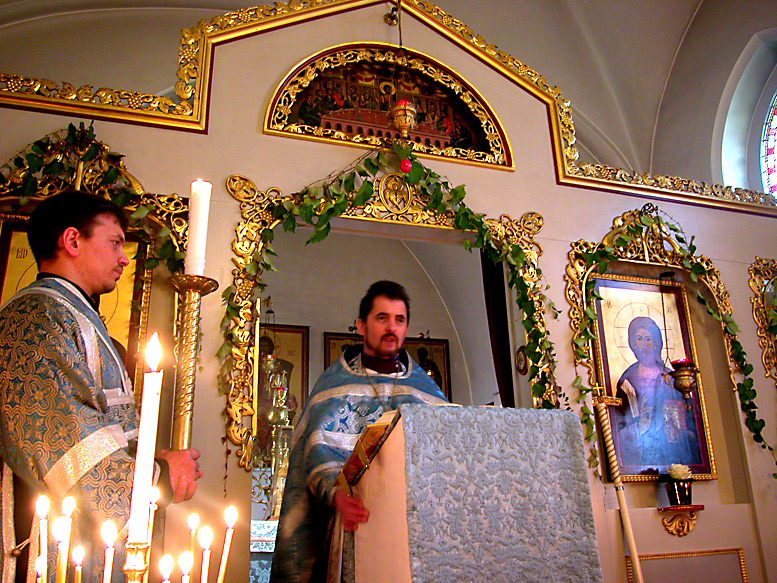
The evening rule is not simply a religious task at the end of the day. It is a moment of honesty. The Christian gives thanks, asks forgiveness, remembers others, and entrusts the night to the mercy of God.
Receive the day
Evening prayer begins by noticing mercy before naming failure. Gratitude keeps repentance from becoming self-hatred.
Tell the truth
The day is reviewed simply and concretely: where love was refused, where repair is needed, where mercy is needed.
Release the night
Not everything can be solved before sleep. Prayer entrusts unresolved burdens to God without pretending they do not matter.
Truth Before Sleep
Evening prayer returns the whole day to God without panic or pretending.
The day is received with thanksgiving, examined with repentance, and entrusted to God's mercy. The goal is a truthful return, not anxious self-analysis.
Name mercy before naming failure so repentance remains hopeful.
Ask forgiveness for real wounds, habits, omissions, and refusals of love.
Remember the living, the departed, the lonely, the suffering, and those you resent.
Entrust unresolved burdens to God instead of carrying them into the night alone.
Evening Return Architecture
Evening prayer gives the day back to God before sleep takes it from our hands.
The night rule is not a courtroom and not a productivity review. Orthodox evening prayer gathers thanksgiving, repentance, intercession, forgiveness, and release so the Christian can end the day under mercy rather than noise, accusation, or control.
The day is received as gift before failures are named, so repentance remains hopeful and gratitude remains truthful.
The rule names sins, wounds, omissions, and needed repair without turning prayer into obsessive self-analysis.
Names of the living, departed, enemies, lonely, sick, and suffering keep the heart from ending the day curved in on itself.
Unfinished burdens are handed to God so the Christian can rest without pretending everything has been solved.
Evening Prayer Core Map
Evening prayer turns the day into thanksgiving, repentance, intercession, and trust.
The night rule is not a religious productivity task. It gathers the real day before God: what was received, what was wounded, what still needs repair, and what must be entrusted to mercy before sleep.
Evening Prayer Guardrails
Protect the night rule from obsession, self-punishment, family pressure, and screen relapse.
A sober Orthodox evening rule should lead toward mercy, sleep, and the next faithful step. If the rule becomes a courtroom, a family conflict, or a late-night dashboard, simplify it and bring the pattern back to pastoral guidance.
Night Examination
A sober way to review the day.
Orthodox evening prayer is not a nightly performance review. It is a small return to God: gratitude for mercy, repentance for sin, prayer for others, and release of what cannot be repaired before sleep.
Thanksgiving and truth
Evening prayer begins by receiving the day truthfully. Some moments were gifts. Some were failures. Some were ordinary and unnoticed. Prayer lets the Christian bring all of it before God without pretending and without despair.
Evening prayer learning sequence
Evening prayer is a gentle return: thanksgiving, repentance, intercession, release, sleep in trust.
Repentance without despair
Orthodox evening prayers often include confession of sins and petitions for protection. This is not meant to produce anxiety. It is meant to free the heart from self-justification and return it to Christ.
A short Orthodox evening rule for beginners
A beginner's evening rule can be simple and serious. Stand before the icons if possible, make the sign of the Cross, pray the Lord's Prayer, give thanks for one mercy from the day, ask forgiveness for one concrete failure, remember several names, and entrust sleep to God.
This is not meant to replace a prayer book forever. It is a stable beginning for people who are tired, new, or returning to prayer. A fuller rule can grow with pastoral guidance. The first goal is not length; it is truthful return.
Name mercy before reviewing failure so repentance stays hopeful.
Confess concrete failures without turning prayer into self-punishment.
Remember family, enemies, the sick, the departed, and those who suffer.
Release what cannot be solved before sleep into God's mercy.
Reviewing the day
A quiet review can be helpful: where did I receive mercy, where did I wound someone, where was I distracted, where did God call me to patience? The point is not self-obsession, but humble attention.
| Evening question | Purpose |
|---|---|
| Where did I receive mercy? | Thanksgiving protects the heart from entitlement and forgetfulness. |
| Whom did I wound? | Repentance becomes concrete, not vague religious feeling. |
| What do I need to release? | The night is entrusted to God rather than to anxiety and control. |
| Who needs prayer? | The rule opens outward toward family, neighbors, enemies, the sick, and the departed. |
Peace before sleep
Many people carry their phone into the final minutes of the night. A simple evening rule changes the final movement of the day: less noise, more prayer, more trust, more peace.
Evening prayer is also a school of forgiveness. The Christian cannot always repair every wound before sleep, but prayer can uncover resentment, soften the will, and prepare a person to seek reconciliation where it is possible and appropriate.
Compline, psalms, and protection
Some Orthodox Christians use prayers from Small Compline, psalms, or a prayer book's evening rule. These prayers often ask for protection through the night, repentance for sins committed knowingly and unknowingly, and peace for the soul and body.
The night has always carried spiritual meaning in Christian prayer. Sleep reminds us that we are not in control of life. Evening prayer teaches the person to entrust both conscience and body to God rather than ending the day in scrolling, fear, or self-defense.
When the day has been heavy
On difficult nights, the rule may need to become smaller and simpler. A psalm, the Lord's Prayer, the Jesus Prayer, and a sincere request for mercy may be enough. The point is not to punish exhaustion, but to return to God.
When you are too tired to pray well
Many evening prayers happen when the body is already tired. Orthodoxy does not pretend that exhaustion is holiness. If the person is falling asleep, the rule may need to begin earlier or become smaller. A short prayer with attention is better than a long rule muttered resentfully or abandoned in despair.
It can help to place evening prayer before the final collapse of the day: before the last scroll, before the last episode, before the mind has no strength left. This is not legalism. It is practical care for attention.
When anxiety enters the rule
If evening prayer becomes a spiral of fear, obsessive review, or the feeling that the day must be mentally solved before sleep, simplify the rule and seek pastoral guidance. Orthodox repentance is serious, but it is not despair with religious language.
Evening prayer after conflict
Many people come to evening prayer after arguments, family tension, anger, or shame. Orthodox prayer does not ask the person to pretend the conflict is already solved. It asks for truth before God. If repair is possible that evening, the person should seek forgiveness. If repair must wait, the heart can still ask God for humility, courage, and protection from resentment.
This is especially important in households. A family evening rule should not become a way to silence pain or force an artificial mood. It should create a small space where each person can return to God, ask mercy, and learn that peace is not the same as pretending nothing happened.
Evening prayer is not self-punishment
Some people approach evening prayer as a nightly courtroom where the soul must be crushed before it can sleep. That is not the Orthodox purpose. Repentance should be truthful, but it should also end in trust. The Christian names sin before God because mercy is real, not because despair is holy.
A healthy evening rule therefore includes thanksgiving as well as repentance. It remembers mercy received, names failures without excuses, prays for others, and entrusts the night to God. If self-examination becomes obsessive, the person should simplify the rule and seek pastoral guidance.
Before the phone, before sleep
Evening prayer works best when it is not squeezed into the final seconds of exhaustion. Placing prayer before late-night scrolling changes the last voice the heart hears. This is a practical spiritual discipline: the day ends with God, not with noise, comparison, anger, or fear.
What evening prayer corrects
Evening prayer corrects the fantasy that the day can be solved before sleep. Some things can be repaired immediately; others must be entrusted to God until the next faithful step becomes possible. Prayer is not control. It is surrender with repentance and hope.
It also corrects the habit of ending the day in accusation, comparison, or numbness. The final movement of the day forms the heart. A modest evening rule teaches a person to fall asleep under mercy rather than under noise.
A mature evening rule
A mature evening rule is not necessarily long. It is honest, repeatable, and connected to the life of the Church. It can include the Trisagion prayers, the Lord's Prayer, a short psalm, the Jesus Prayer, intercessions, and a simple request for forgiveness. In some households it may be shorter; in some seasons, longer.
The rule should also leave room for concrete obedience. If prayer reveals that an apology is needed, the next faithful step may be a message, a conversation, or confession. Evening prayer is not a substitute for repair; it prepares the heart to repair what can be repaired.
For families and children
A family evening rule should usually be short, peaceful, and repeatable. Children do not need a long analysis of the day before bed. They need a rhythm that teaches thanksgiving, forgiveness, the sign of the Cross, a few names in prayer, and trust in God through the night.
Parents should avoid turning prayer into a bedtime battle. It is better to keep a small rule with love than to make children associate prayer with exhaustion, scolding, or perfectionism. Over time, a candle, an icon, the Lord's Prayer, and a simple blessing can teach more than a rule that nobody can keep with peace.
After screens, work, and conflict
Evening prayer often comes after a day shaped by screens, work pressure, arguments, and unfinished responsibilities. The rule should not become another demand in the same anxious system. It should create a small threshold: the phone becomes quiet, the body stands before God, the day is named truthfully, and the night is entrusted to mercy.
For someone who has sinned seriously, evening prayer should not become a substitute for confession or repair. It can prepare the heart: ask mercy, make a note to seek confession or reconciliation, and take the next faithful step when possible.
| Night situation | Sober response |
|---|---|
| Too exhausted | Pray briefly, begin earlier tomorrow if possible, and avoid despair. |
| After conflict | Ask mercy, seek repair when possible, and guard the heart from resentment. |
| Obsessive review | Simplify the rule and bring the pattern to pastoral guidance. |
| Late-night scrolling | Move prayer before the phone whenever possible; let the screen become quiet. |
Ending the day without becoming analytical
A prayer app can help by keeping evening prayers, names for intercession, Scripture, and a modest rule close at hand. But the app should not invite endless tracking or self-analysis at night. Evening prayer should move toward mercy, forgiveness, and sleep entrusted to God.
For this reason, the healthiest digital support is restrained: a reminder, a prayer text, a few names, and then quiet. The person should not be pulled into feeds, dashboards, or comparison after opening a prayer rule.
End the day with sobriety
Source note
This guide presents evening prayer as a sober Orthodox practice of thanksgiving, repentance, intercession, and trust. It is introductory and should be adapted through prayer books, parish practice, and pastoral guidance.
Source Trail
Read this topic with the Church, not only the internet.
These links give a cautious path for checking the topic further. They do not replace parish worship, confession, pastoral guidance, or the calendar used by your bishop and local parish.
Close The Day
End with prayer before the night becomes noise.
Orthodox Daily Prayer keeps evening prayers, names, readings, saints, and calendar awareness close while helping the rule stay simple.
This guide is introductory. A brief evening rule kept consistently can become a shelter, especially when joined to parish life, confession, and Communion.
Questions people ask
What if I fall asleep during evening prayers?
Do not turn weakness into despair. Keep the rule modest, begin earlier when possible, and ask God for mercy with humility.
Should I examine my whole day?
A brief review can help, but it should lead to repentance and gratitude, not obsessive self-analysis.
Can families pray evening prayers together?
Yes. A family rule should usually be simple enough that children and tired adults can actually keep it with peace.
Can an app help with Orthodox evening prayers?
Yes, if it helps the person end the day with prayer, remembrance, and Scripture rather than late-night distraction. The app should serve the rule, not become the rule.
What is a short Orthodox evening rule for beginners?
A beginner may pray the Lord's Prayer, give thanks for the day, ask forgiveness, remember a few names, and entrust the night to God. A prayer book and priest can help shape a fuller rule.
What if evening prayer becomes obsessive?
Simplify the rule and seek pastoral guidance. Orthodox repentance should be truthful and healing, not endless analysis, panic, or despair.