
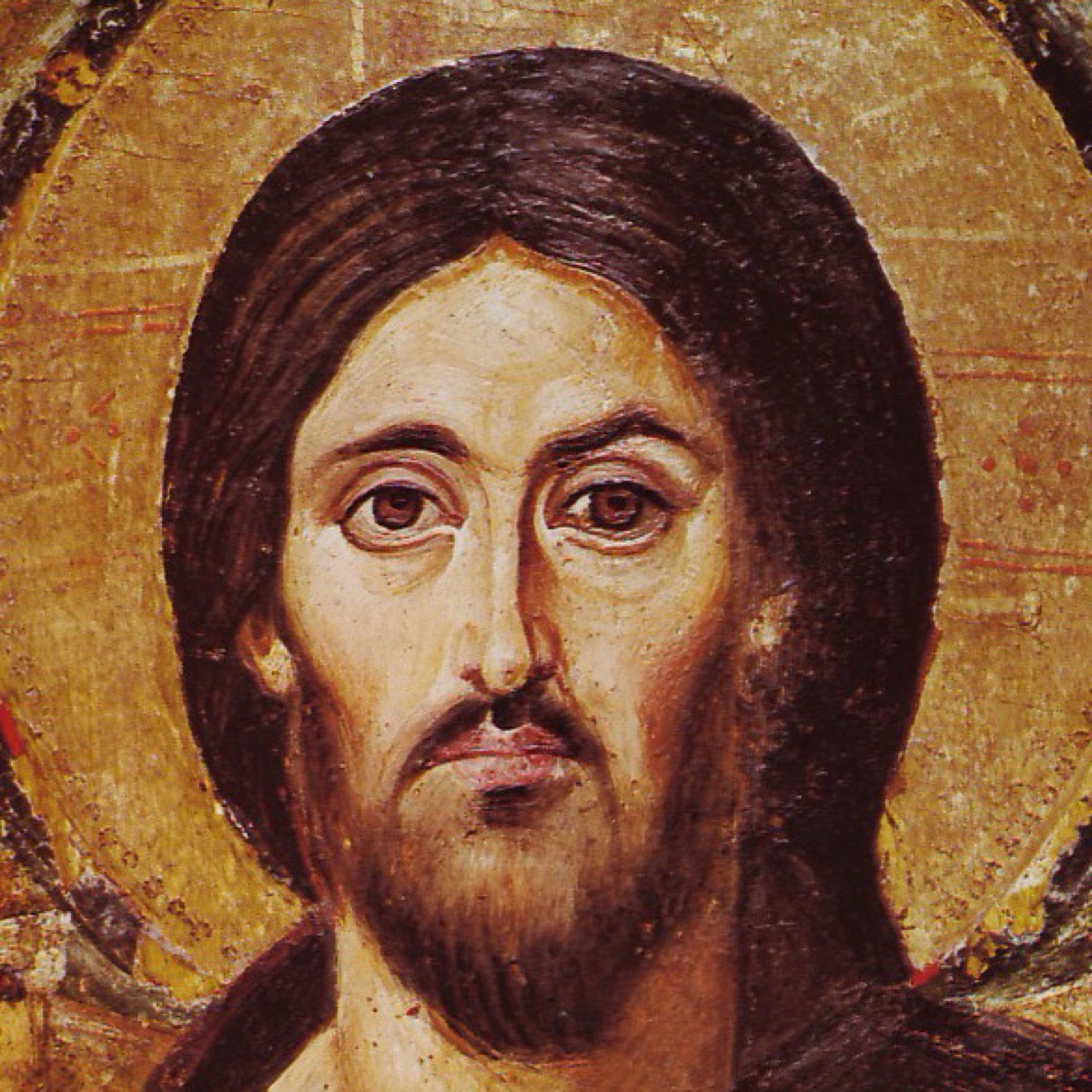
The Jesus Prayer is among the best-known prayers in Orthodox Christianity: "Lord Jesus Christ, Son of God, have mercy on me." It is simple enough to remember, but deep enough to accompany a lifetime of repentance.
Christ is named
The prayer is not vague spirituality. It confesses Jesus as Lord, Christ, and Son of God.
The heart asks
The request for mercy is a request for forgiveness, healing, restoration, and communion with God.
No private system
The prayer stays healthy when it remains simple, humble, and connected to parish life.
Mercy Without Technique
The Jesus Prayer is a cry to Christ, not a spiritual technology.
It should remain simple, humble, and connected to repentance, parish worship, confession, Communion, Scripture, and pastoral guidance.
The prayer confesses Jesus as Lord, Christ, and Son of God.
Mercy means forgiveness, healing, restoration, and communion with God.
A few prayers said with attention are safer than numbers that feed pride or anxiety.
Breath, posture, and advanced hesychast methods belong to experienced guidance, not fragments online.
Prayer Of The Name
The Jesus Prayer gathers doctrine, repentance, and attention into one cry for mercy.
The prayer is short because it is concentrated, not because it is thin. It names Jesus personally, confesses Him as Lord and Son of God, asks for mercy with repentance, and trains attention without turning prayer into a breathing system, emotional technique, or private spiritual identity.
The prayer is addressed to Jesus Christ Himself. It is not a calming syllable, an abstract sacred sound, or a self-directed meditation cue.
Lord, Christ, and Son of God are not decorative words. They hold the Church's faith in who Jesus is.
Mercy means forgiveness, healing, restoration, and communion with God, not merely temporary relief from discomfort.
The prayer belongs with parish worship, confession, Communion, Scripture, obedience, and love of neighbor.
Sober Practice Architecture
The Jesus Prayer is safest when it remains small, ecclesial, and free from spiritual self-experiment.
Beginners should treat the prayer as a humble appeal to Christ, not as a tool for manufacturing calm, mystical experience, or identity. The practice is healthy when it grows repentance, mercy, patience, parish life, and love of neighbor.
The words are addressed to the Lord Jesus Christ personally. Peace may come, but peace is not the product being engineered.
A few prayers said attentively are safer than large numbers that feed pride, fear, spiritual comparison, or discouragement.
Advanced physical methods belong to experienced guidance. Beginners should keep the prayer simple, reverent, and unforced.
If the prayer makes a person harsher, secretive, superior, or isolated, the practice needs correction rather than intensification.
The Jesus Prayer belongs with Scripture, confession, Communion, fasting, almsgiving, forgiveness, and ordinary parish obedience.
Orthodox Daily Prayer can keep the prayer near daily life, but it should not turn repetition into streaks, status, or self-measurement.
Jesus Prayer learning sequence
The Jesus Prayer should be learned as Christian prayer, not as a detached technique.
Mercy Discernment
Keep the Jesus Prayer connected to the whole Orthodox life.
The prayer is short, but it should not become isolated. Follow the path that keeps mercy joined to a rule, confession, Scripture, parish worship, and sober attention.
Jesus Prayer Core Map
The Jesus Prayer is a confession of Christ and a plea for mercy, not a method for producing an inner state.
Its words are short, but they hold doctrine, repentance, humility, attention, and trust. The prayer stays healthy when it remains addressed to Christ, grounded in the Church, and ordered toward mercy rather than spiritual control.
Jesus Prayer Guardrails
Protect the Jesus Prayer from mantra-thinking, breath experiments, number-chasing, and spiritual isolation.
The prayer should make a person more repentant, merciful, sober, and connected to the Church. If it becomes compulsive, frightening, prideful, technique-driven, or detached from ordinary duties, the rule should be simplified and brought to pastoral guidance.
A confession of faith
The prayer names Jesus as Lord, Christ, and Son of God. It is not vague spirituality. In a few words, it turns the heart toward the person of Christ and asks for mercy with humility.
Not a technique
The prayer is not a breathing hack, mantra, or spiritual shortcut. Orthodox tradition treats it with reverence, especially when practiced frequently. Physical methods connected with hesychast prayer should not be imitated from internet fragments or without guidance.
Pastoral caution
The Jesus Prayer should never become a private experiment in altered states, spiritual intensity, or self-directed technique. For beginners, the safest path is simple prayer, repentance, confession, Communion, Scripture, and counsel from a priest or spiritual father.
Mercy at the center
The word mercy does not mean only pardon. It points toward healing, compassion, restoration, and the loving presence of God. To ask for mercy is to stand truthfully before Christ without pretending to be whole by oneself.
The words of the prayer, line by line
The Jesus Prayer is short, but every phrase matters. "Lord" is not vague respect; it confesses Christ's authority. "Jesus" names the Savior personally. "Christ" confesses Him as the Anointed One. "Son of God" protects the confession that He is truly divine. "Have mercy" is the cry of one who needs healing, forgiveness, and communion.
Some forms add "on me, a sinner." This is not meant to create despair. It is truthful speech before Christ. The prayer teaches the heart to stop explaining itself away and to ask for mercy from the Lord who heals.
| Phrase | What it teaches |
|---|---|
| Lord Jesus Christ | The prayer is addressed to a Person, not to an impersonal state. |
| Son of God | The one prayed to is truly divine, not merely a religious teacher. |
| Have mercy | Mercy includes forgiveness, healing, restoration, and God's loving compassion. |
| On me, a sinner | Repentance is honest and hopeful, not theatrical self-hatred. |
Unceasing prayer and ordinary life
Orthodox writers often connect the Jesus Prayer with the apostolic call to pray without ceasing. This does not mean forcing emotion all day. It means learning to remember God in the middle of ordinary life: while walking, working, waiting, suffering, or returning from distraction.
Have mercy on me, a sinner
The phrase "a sinner" is not meant to create theatrical self-hatred. It is a sober confession of truth. The person praying does not compare themselves with others or perform misery. They stand before Christ without excuses and ask for mercy because mercy is real.
This matters for beginners because Orthodox repentance is easily misunderstood. The Jesus Prayer is not a way to despise oneself. It is a way to stop pretending and to turn toward the Physician of souls and bodies. True humility is not despair; it is honesty filled with hope.
| For beginners | Why it helps |
|---|---|
| Say the prayer slowly | Attention matters more than speed or quantity. |
| Start with a small number | A modest rule is easier to keep without pride or discouragement. |
| Use a prayer rope simply | It can help attention, but it is not a badge of spiritual rank. |
| Avoid chasing experiences | Prayer is communion and repentance, not a search for sensations. |
| Ask pastoral guidance | A priest or spiritual father can keep practice sober and balanced. |
Practice with humility
Many Christians say the Jesus Prayer during quiet moments, travel, anxiety, or ordinary work. Longer or more intense practice should be approached with guidance, patience, and sobriety. The prayer should soften the heart, not make a person harsh, isolated, or impressed with themselves.
How many repetitions are healthy?
Numbers can help attention, but they can also become a trap. A beginner does not need to prove seriousness by counting large amounts. Ten, twenty-five, or a short timed period may be enough if it is kept with attention and peace. A larger rule should normally be received with guidance rather than self-assigned from online examples.
The question is not only quantity. Does the practice lead to patience? Does it make confession easier? Does it increase mercy toward other people? Does it remain connected to parish worship? If repetition produces pride, secrecy, compulsion, or contempt for ordinary duties, the rule should be simplified.
Choose a short rule that can be kept without drama or spiritual ambition.
Return to the words when distracted instead of rushing through a number.
Do not borrow breathing or posture systems from internet fragments.
Keep the prayer joined to confession, Communion, Scripture, and parish life.
The prayer and the Gospel
The Jesus Prayer is rooted in the Gospel's cry for mercy: the blind, the sick, the tax collector, and the desperate all turn toward Christ because they cannot heal themselves. The prayer places the Christian in that same honest position before the Lord.
For that reason, the prayer should never become a slogan detached from repentance. To say the name of Jesus is to stand before a Person, not to manipulate a technique. The name is holy because Christ is holy.
Short forms and full forms
Orthodox Christians may hear slightly different forms: "Lord Jesus Christ, Son of God, have mercy on me, a sinner," or the shorter "Lord Jesus Christ, have mercy on me." The form used should follow one's prayer book, parish habit, or pastoral guidance. The spirit is humility and attention, not argument about formulas.
The Jesus Prayer and confession
The Jesus Prayer does not replace sacramental confession. It can awaken repentance, soften pride, and help a person ask for mercy throughout the day, but sins that need confession should be brought to the priest in the sacramental life of the Church. Private repetition is not a substitute for pastoral healing.
This protects the prayer from becoming private religion. The prayer names Jesus and asks mercy, but the person praying remains a member of the Church, not an isolated spiritual project. The healthiest practice leads toward confession, Communion, Scripture, forgiveness, and love of neighbor.
Prayer rope without performance
A prayer rope can help a person keep attention gently. Each knot can hold one prayer. But the rope is not a spiritual rank, accessory, or identity marker. It is possible to carry a rope and pray very little; it is also possible to pray sincerely without one.
If using a prayer rope, keep the practice simple. Do not display it for effect. Do not compare knots, numbers, or materials. Let it serve attention and repentance. When it no longer serves prayer, put it down and return quietly later.
The name of Jesus is not used casually
The Jesus Prayer is powerful because it turns toward Christ Himself. That means the name of Jesus should not be treated as a sound to produce calm or a tool to manage the nervous system. Peace may come, but peace is not the product being manufactured. The prayer is an act of faith, repentance, and communion.
For this reason, Orthodox teachers warn against curiosity, spiritual ambition, and self-directed experimentation. The safest beginning is simple: say the prayer slowly, ask for mercy, return when distracted, and remain grounded in confession, Communion, Scripture, and parish life.
The prayer belongs to the whole Christian life
The Jesus Prayer should make a person more patient, truthful, merciful, and attentive to others. If repeated prayer makes someone proud, harsh, secretive, or contemptuous of ordinary parish life, something has gone wrong. The prayer is meant to open the heart to Christ, not build a private spiritual identity.
This is why Orthodox teaching places prayer together with fasting, almsgiving, confession, Communion, forgiveness, and obedience. The words may be short, but the life they form is not narrow. The name of Jesus draws the person into the life of the Church and toward love of neighbor.
When the prayer is used in anxiety
Many people naturally turn to the Jesus Prayer when anxious, afraid, or overwhelmed. This can be good when the prayer remains what it is: a cry to Christ for mercy. But it should not be treated as a mechanical tool that guarantees a bodily state. Sometimes a person also needs sleep, medical care, therapy, practical help, or a conversation with a priest.
The prayer should make a person more honest, not more isolated. If repeating the prayer becomes compulsive, frightening, or disconnected from love and ordinary responsibilities, that is a sign to seek guidance rather than intensify the practice alone.
What the Jesus Prayer corrects
The Jesus Prayer corrects vague spirituality by naming Christ. It also corrects self-reliance by asking for mercy. The person praying does not stand before God as a self-improvement project, but as someone who needs healing from Christ.
It also corrects the modern urge to turn every spiritual practice into a method. Orthodox prayer is not valuable because it produces a controllable inner state. It is valuable because it brings the person before the living Lord with repentance, faith, and hope.
Practice the Jesus Prayer soberly
This guide is introductory. The Jesus Prayer belongs within Orthodox worship, repentance, confession, Communion, and pastoral care.
Questions people ask
Is the Jesus Prayer a mantra?
No. It is a Christian prayer addressed to the Lord Jesus Christ, asking for mercy with faith and repentance.
Can beginners say the Jesus Prayer?
Yes, in a simple and humble way. Beginners should avoid advanced techniques and keep the prayer connected to parish life.
Should I coordinate the prayer with breathing?
Beginners should not learn spiritual breathing methods from internet fragments. Keep the prayer simple unless guided by an experienced priest or spiritual father.
Can the Jesus Prayer be used during anxiety?
It can be prayed during anxiety as a humble turning to Christ, but it should not be treated as a mechanical replacement for pastoral, medical, or psychological care when those are needed.
How many times should I say the Jesus Prayer?
Beginners should not chase numbers. A small rule said with attention and humility is safer than a large number that produces pride, anxiety, or discouragement. Ask your priest for guidance.
Do I need a prayer rope for the Jesus Prayer?
A prayer rope can help attention, but it is not required and should not become a badge of spiritual status. The prayer itself is a humble cry to Christ for mercy.
Can I say the Jesus Prayer while working or walking?
Yes, many Orthodox Christians use the prayer quietly during ordinary moments, but it should remain reverent and should not replace attention to duties, safety, parish worship, or a stable prayer rule.
What if the Jesus Prayer becomes compulsive?
If the prayer becomes frightening, compulsive, isolating, or anxiety-driven, simplify the rule and seek pastoral guidance. Prayer should lead toward mercy, humility, and love.
Source Trail
Read this topic with the Church, not only the internet.
These links give a cautious path for checking the topic further. They do not replace parish worship, confession, pastoral guidance, or the calendar used by your bishop and local parish.
Mercy And Attention
Keep short prayer close without chasing experiences.
Orthodox Daily Prayer helps keep the Jesus Prayer, daily prayers, Scripture, saints, fasting awareness, and the calendar near ordinary moments.
Source note
This guide follows Orthodox teaching on the Jesus Prayer, mercy, attention, sobriety, and pastoral guidance. It intentionally warns beginners against treating the prayer as a technique or internet-taught breathing method.