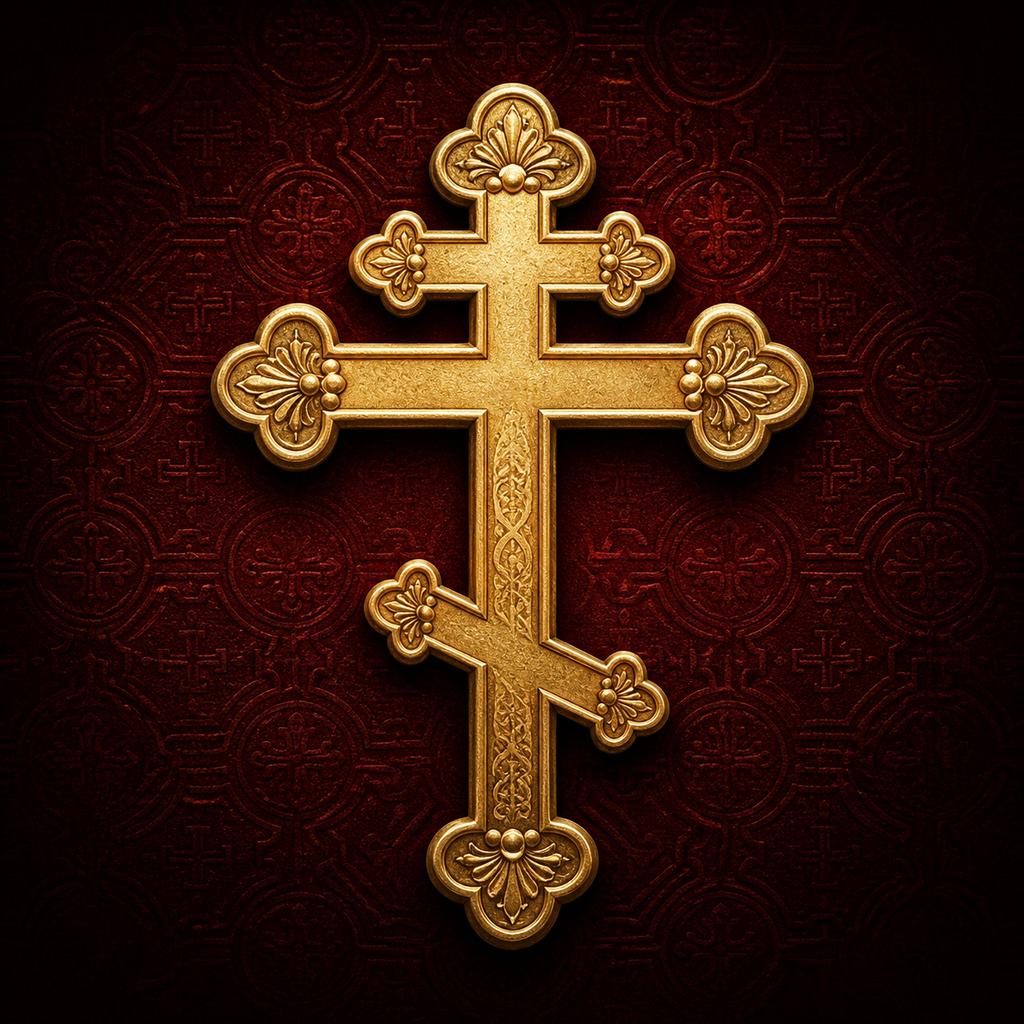
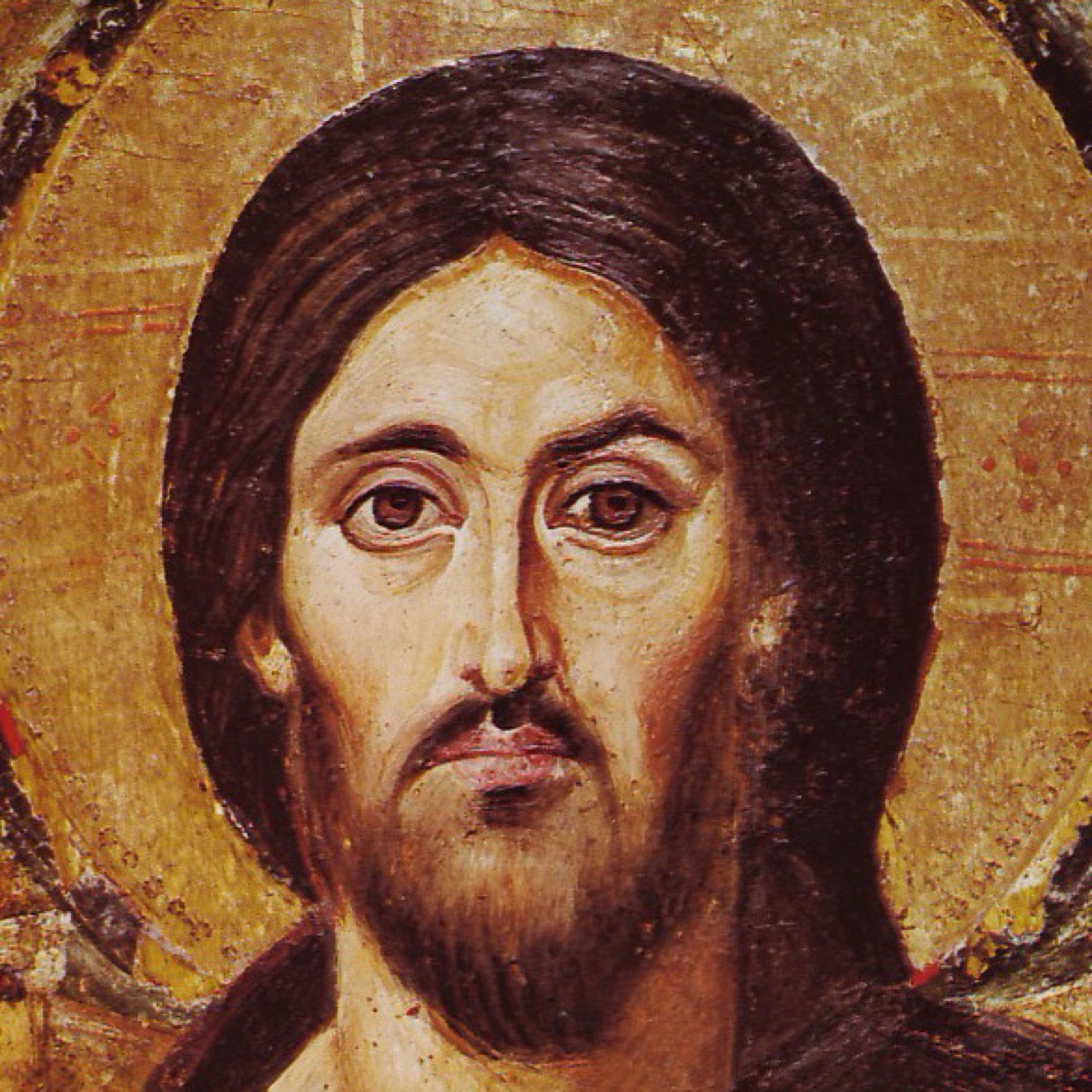
Many Orthodox homes keep icons in an honored place, often with a prayer book, candle or lamp, and space to stand. The purpose is simple: to make prayer concrete and regular in ordinary life. A prayer corner is not a private chapel that replaces the parish. It is a small place where the household remembers that the home also belongs to God.
A prayer corner is icon-centered and ordered toward prayer, not religious interior design.
A small corner used faithfully is better than an elaborate space that intimidates the household.
Home prayer should make a person more ready for Liturgy, confession, Communion, and parish life.
Pastoral note
Do not turn a prayer corner into a shopping project, aesthetic display, or substitute parish. Begin simply, use candles safely, respect shared households, and let the space serve a real prayer rule.
A Place To Return
A prayer corner should make prayer easier to begin, not harder to approach.
It is a small, reverent place that turns the home toward Christ. Simple, usable, and parish-connected is better than elaborate and intimidating.
An icon of Christ and, when possible, the Theotokos gives the space a clear center.
A small shelf, prayer book, candle or lamp used safely, and names for prayer can be enough.
Remove clutter and use the phone only briefly for prayers, readings, or reminders.
Home prayer should deepen readiness for Liturgy, confession, Communion, and pastoral care.
Prayer corner learning sequence
A prayer corner should be simple, icon-centered, safe, usable, and connected to the parish.
Home Prayer Discernment
Build a place that serves prayer instead of decorating religion.
A prayer corner should make the next faithful action easier: morning prayer, evening prayer, icons, a prayer book, meal prayers, and a home rhythm that returns to the parish.
Prayer Corner Core Map
A prayer corner makes the home answerable to Christ, not more religious-looking.
The corner is Orthodox when it gathers a real household toward prayer, icons, repentance, thanksgiving, intercession, and parish life. Its purpose is not aesthetic identity. Its purpose is to help ordinary people return to God in the same faith the Church prays in the Divine Liturgy.
Home Prayer Guardrails
Protect the prayer corner from consumerism, perfectionism, and household pressure.
A good prayer corner should become gentle and repeatable. It should not shame beginners, intimidate children, dominate roommates, replace the parish, or become a visual project that grows faster than repentance.
What to include
A basic prayer corner may include an icon of Christ, an icon of the Theotokos, a cross, a prayer book, and perhaps a candle or vigil lamp if it can be used safely. Some families include icons of patron saints or feast icons.
| Element | Purpose |
|---|---|
| Icon of Christ | The center of Orthodox prayer is the Lord Jesus Christ. |
| Icon of the Theotokos | Her icon teaches the Incarnation and points the faithful toward Christ. |
| Cross | A reminder that Christian prayer is shaped by repentance, sacrifice, and resurrection. |
| Prayer book | A stable source for morning, evening, thanksgiving, and penitential prayers. |
| Candle or lamp | A sign of watchfulness and prayer, used only with practical safety. |
Where to place it
The place should be quiet enough for attention and visible enough to call the household back to prayer. Orthodox customs about direction, arrangement, and lamps vary, so it is wise to ask the priest of your parish.
How to use it
Stand, make the sign of the cross, read slowly, and avoid turning the space into a source of anxiety. A small rule prayed with attention is better than an elaborate corner that is rarely used. The prayer corner should help you begin, continue, and return, not make you feel that prayer is impossible unless the setting is perfect.
A seven-day beginning at home
A prayer corner becomes real by use, not by decoration. For a first week, keep the rule almost embarrassingly simple: one short prayer in the morning, one short prayer in the evening, and one name remembered before God. If the household can keep that peacefully, more can be added later.
This protects the corner from becoming an unfinished project. It also helps children, roommates, spouses, or tired adults experience the space as gentle and stable rather than intense. The best prayer corner is the one that helps real people return to prayer today.
Cross yourself, pray the Lord's Prayer or a short morning prayer, and ask for mercy.
Keep one name or one need before God without turning it into a checklist.
Give thanks, ask forgiveness, and entrust the night to God.
If the rule creates pressure, simplify it before adding more.
For families
In a family home, the prayer corner can become a place for short morning and evening prayers, blessing meals, remembering the sick, and teaching children to make the sign of the Cross. Keep it simple enough that the family can actually use it.
Children learn reverence through repetition and gentleness. A parent can light a candle safely, sing a short hymn, pray for grandparents, or read a small portion of the Gospel. The child does not need a long rule to learn that the home belongs to God. A calm two-minute practice kept often may teach more than occasional intensity.
| Household situation | Practical shape |
|---|---|
| Young children | Short prayers, supervised candles, simple icons, and no pressure to stand perfectly. |
| Roommates | Respect shared space and keep the corner modest, quiet, and non-confrontational. |
| Dorm or rental | Use a shelf, desk corner, portable icon, or prayer book arrangement. |
| Non-Orthodox family | Practice reverently without using the corner to argue or dominate the home. |
What to avoid
A prayer corner can become decorative, competitive, or cluttered. Orthodox icons are not aesthetic props, and more objects do not automatically mean deeper prayer. If the space becomes a source of pride or distraction, simplify it.
Blessing icons and learning local custom
Many Orthodox Christians ask a priest to bless icons, especially when setting up a home prayer corner. Exact customs can differ by parish and local tradition. The important thing is not to invent private rules from internet fragments. Ask your priest how your parish normally handles icons, lamps, house blessings, and household prayer.
This is another way the prayer corner stays connected to the Church. Home prayer is personal, but not isolated. The icon in the home belongs to the same worshipping life as the icon in the parish.
Icons and the household
The prayer corner is one way the theology of icons becomes daily and practical. Icons are not wallpaper for a religious mood. They teach that Christ truly became visible in the flesh and that the saints are alive in Him. Standing before icons at home should lead to prayer, repentance, and gratitude.
In households with children, the corner can teach reverence without fear. Children can learn to cross themselves, kiss icons respectfully, light a candle with supervision, and hear short prayers. The point is not to build a perfect religious scene, but to make prayer normal and tender in the home.
When space is limited
Not every home has a spare wall, quiet room, or ideal arrangement. A small shelf, a single icon, or a prayer book beside a candle can be enough. The Church has always prayed in real homes: crowded, rented, noisy, shared, and imperfect.
Prayer corners in apartments, dorms, and shared homes
Many Orthodox Christians live with roommates, non-Orthodox family, limited privacy, or rental restrictions. A prayer corner does not need to be large or permanent to be real. A small icon on a shelf, a prayer book in a drawer, or a portable arrangement that can be opened and closed respectfully may be enough.
Charity matters in shared homes. A prayer corner should not become a way to dominate common space or force others into religious discomfort. When possible, choose a place that allows reverence without creating household conflict. The goal is prayerful presence, not territorial victory.
How to begin if you have almost nothing
If a person has no icons yet, they can still begin praying. Start with a prayer book, the sign of the Cross, and a simple place to stand. Add an icon of Christ when possible, then the Theotokos, then patron saints or feast icons slowly and with discernment.
This protects beginners from turning the prayer corner into a shopping project. The Orthodox home is not made holy by acquiring many objects quickly. The corner becomes holy through prayer, reverence, repentance, and connection to the Church.
What makes the corner Orthodox
The corner is Orthodox because it connects home prayer to the faith and worship of the Church. It is centered on Christ, shaped by icons, supported by the prayers of the Church, and ordered toward repentance, thanksgiving, and love. It should not become a private spirituality detached from parish worship.
If the corner is used daily but the person avoids the parish, confession, Communion, or the counsel of the priest, the balance is wrong. Home prayer should make the Christian more ready to worship with the Church, not less.
Using a phone without letting it take over
Many people now use a phone for prayer texts, Scripture readings, fasting reminders, calendar awareness, or names for intercession. This can be helpful, especially in small apartments or while traveling. But the device should not become the visual center of the prayer corner.
A good rule is simple: open what you need, pray attentively, and close the screen when possible. Notifications, scrolling, and constant checking work against the purpose of a prayer corner. The space exists to gather the person before God, not to baptize distraction.
What a prayer corner corrects
A prayer corner corrects the idea that home is spiritually neutral space. It gives the household a visible reminder that work, meals, conflict, rest, children, grief, and ordinary duties all stand before God.
It also corrects perfectionism. A small shelf used faithfully is better than an elaborate arrangement that becomes intimidating or decorative. The corner exists to make prayer possible, not to create a religious interior design project.
How an app can belong near the prayer corner
Digital prayers and readings can be useful, especially for people without a full prayer book, travelers, students, or families learning the daily rhythm. But the phone should remain a servant of the prayer corner. Open the text, pray, remember names, then let the screen become quiet.
This is an important design principle for Orthodox Daily Prayer. The app should feel reverent and restrained because it may sit near icons, candles, and prayer books. It should help the user return to God without competing visually or emotionally with the sacred focus of the corner.
Common mistakes to avoid
| Mistake | Better Orthodox shape |
|---|---|
| Collecting icons faster than prayer grows. | Begin simply and let the corner serve a real rule. |
| Making the corner an aesthetic display. | Keep it prayerful, uncluttered, and centered on Christ. |
| Letting candles or lamps become unsafe. | Use fire only with practical care and never leave it unattended. |
| Using the home corner to avoid parish life. | Let home prayer lead back to Liturgy, confession, Communion, and pastoral care. |
Make home prayer concrete
Read the prayer corner together with icons, morning and evening prayer, meal prayers, and parish worship.
Source note
This guide connects home prayer to Orthodox teaching on icons, parish worship, and daily prayer. Local customs about placement, direction, lamps, and household practice should be learned from one's parish.
Source Trail
Read this topic with the Church, not only the internet.
These links give a cautious path for checking the topic further. They do not replace parish worship, confession, pastoral guidance, or the calendar used by your bishop and local parish.
Home Prayer
Let the phone support the corner, then become quiet.
Orthodox Daily Prayer can provide prayers, readings, fasting awareness, saints, and names for intercession while keeping the visual language restrained.
Use candles and lamps safely, especially around children, pets, curtains, and unattended rooms.
Questions people ask
Do I need many icons?
No. An icon of Christ and, when possible, an icon of the Theotokos are a simple and healthy beginning.
Must the prayer corner face a certain direction?
There are traditional customs, but homes differ. Ask your parish priest if you want specific local guidance.
Can renters or students have a prayer corner?
Yes. A small, respectful arrangement is enough. The goal is prayer, not architectural perfection.
Can a prayer corner replace parish worship?
No. A prayer corner supports home prayer, but it does not replace the Divine Liturgy, confession, Communion, pastoral care, or parish life.
Should a phone be part of a prayer corner?
A phone can provide prayers, readings, or reminders, but it should not dominate the space. Use it briefly and intentionally, then return attention to prayer.
Should icons in a prayer corner be blessed?
Local practice can differ. Many Orthodox Christians ask a priest to bless icons, but the exact custom should be learned from one's parish.
How can a family use a prayer corner with children?
Keep prayers short, calm, and repeatable. Children can learn the sign of the Cross, short prayers, reverence for icons, and supervised candle use without pressure.