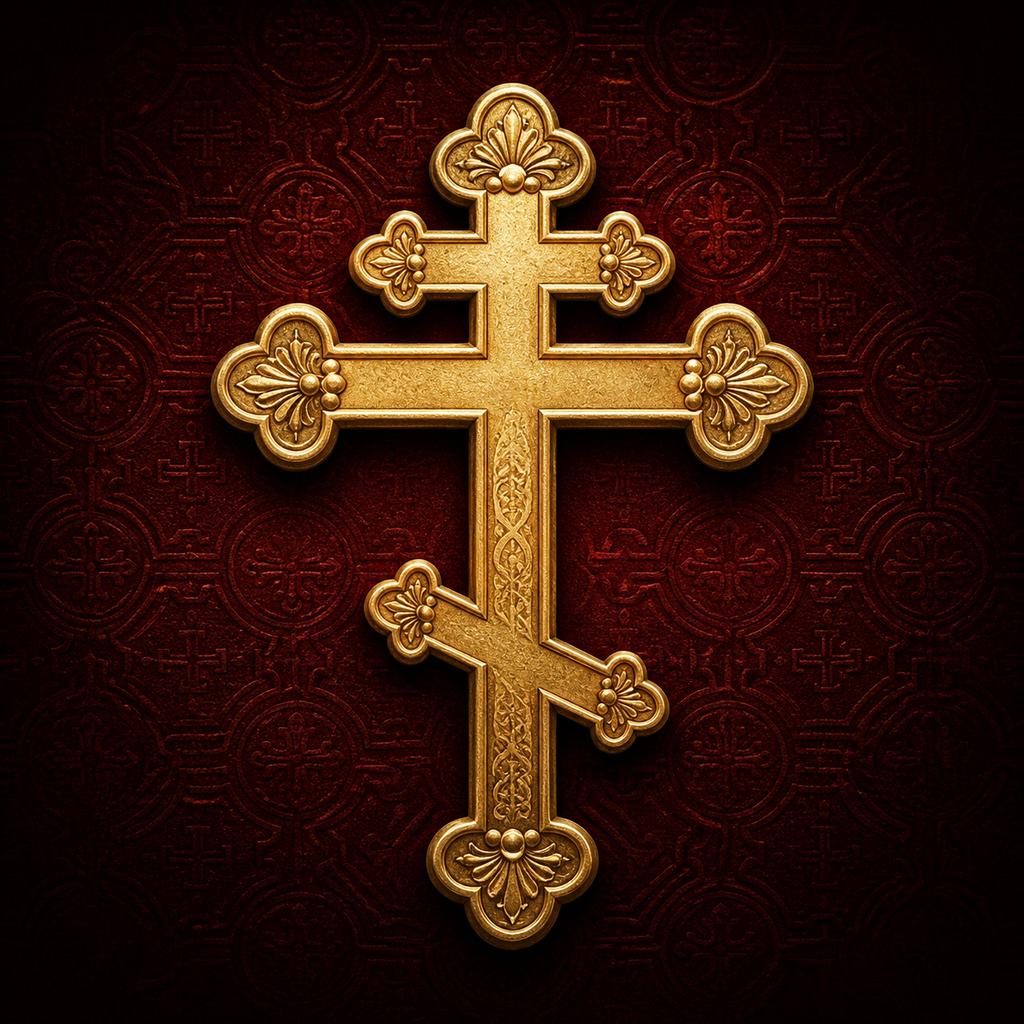

The Nativity of the Theotokos is celebrated on September 8. It commemorates the birth of Mary to Joachim and Anna and is one of the great feasts of the Orthodox Church.
The feast is not kept because Orthodox Christians treat Mary as separate from Christ. It is kept because her life is inseparable from the Incarnation. The one born from Joachim and Anna becomes the Mother of God because the child she bears is truly the eternal Son made man.
Mary is honored because of her Son
The feast is Christ-centered because the Theotokos matters through the Incarnation.
Salvation enters real human life
The feast speaks of parents, longing, birth, patience, and God's quiet preparation.
The Church year begins with preparation
Near the start of the liturgical year, the feast turns attention toward the coming of Christ.
Preparation For The Incarnation
The Nativity of the Theotokos is not a sentimental birthday; it is the first light of Christ's coming.
The Church honors Mary's birth because God prepares salvation through real human history, real family life, patient waiting, and the one who will bear the incarnate Son.
Mary's honor protects the confession that Jesus Christ is truly God and truly man.
Their longing is remembered as hope, not as pressure on people carrying family grief.
The feast teaches that God's saving work often begins quietly before it becomes visible.
Old/New Calendar differences affect the civil date, not the identity of the feast.
Nativity of the Theotokos learning sequence
This feast teaches Christ-centered devotion to Mary, hidden preparation, and the beginning of the Church year's movement toward the Incarnation.
Theotokos Context
Read Mary's birth as hidden preparation for the Incarnation.
This feast is tender, but not shallow. Orthodox worship sees the birth of the Theotokos as the beginning of visible preparation for Christ: Joachim and Anna, family longing, September's Church year, the icon's household scene, and every later Theotokos feast all point toward the Word becoming flesh.
Salvation History System
The feast reads Mary's birth as the quiet opening of the Incarnation's human path.
Orthodox worship does not treat September 8 as a generic birthday. It places the birth of the Theotokos inside the whole biblical and liturgical story: promise, barrenness, mercy, temple imagery, wisdom, humble obedience, and the concrete human genealogy of Christ.
The feast protects Christian realism: salvation comes through a real mother, body, family, and history.
Their story is pastoral hope, not pressure on couples or a guarantee that every grief resolves the same way.
Jacob's ladder, Ezekiel's gate, wisdom, blessing, and Gospel obedience all point toward Christ.
The liturgical year opens by teaching that God's work often starts hidden, domestic, and small.
Mary is venerated because her Son is God the Son made man; worship belongs to the Trinity alone.
It teaches families, seekers, and catechumens that hidden faithfulness can belong to salvation's preparation.
Why the feast matters
The Nativity of the Theotokos is a feast of preparation and hope. The coming of Christ begins to be seen through the hidden faithfulness of ordinary human life: parents, prayer, barrenness, promise, and the mercy of God working quietly before the world recognizes it.
Orthodox hymnography speaks about this feast with the language of joy because the birth of Mary prepares the world for Christ. The point is not that Mary replaces Christ at the center of faith. The point is that the Incarnation is not an idea floating above history. It enters a real family, a real people, and a real human life.
The feast also gives a serious answer to a common modern question: why does Orthodoxy care so much about Mary? The answer is not sentimentality. If the Son of God truly becomes man, then His human birth, His mother, His genealogy, and the faithful people who waited for Him matter. The Church honors the Theotokos because the Incarnation is concrete.
| Point | Meaning |
|---|---|
| Date | September 8 according to the parish calendar. |
| Parents | Joachim and Anna are remembered in the Church's tradition. |
| Theology | Mary is honored because of Christ and the truth of the Incarnation. |
| Church year | It is among the first major feasts after the September 1 liturgical new year. |
Not a sentimental birthday
The Church does not reduce the feast to religious sentiment. It speaks of the long preparation for Christ, the healing of barrenness, and the beginning of joy that will be fulfilled in the Nativity of Christ, His Cross, and His Resurrection.
This matters pastorally. Many people meet Orthodox feasts first as dates on a calendar, but the Church keeps them as a school of attention. The Nativity of the Theotokos teaches that salvation history includes patience, hidden holiness, family wounds, longing, and the quiet faithfulness of people who may never appear important to the world.
That is why the feast should not be marketed as a vague religious celebration of motherhood or childhood. It is the Church's confession that God prepares the human vessel through whom Christ will be born. The joy is tender, but it is not shallow. It belongs to the story of the curse being undone, death being conquered, and human life being opened again to communion with God.
Joachim and Anna in Orthodox memory
Orthodox tradition remembers Joachim and Anna as righteous parents whose sorrow is answered by God. Their story is often compared with other biblical patterns of barrenness and promise. The Church does not present the feast as curiosity about Mary's childhood, but as a sign that God prepares His work through humility and prayer.
For beginners, this is an important distinction: Orthodox Christians do not invent devotion to the Theotokos as an independent spiritual path. Veneration of Mary is always tied to Christology. She is honored because the one born from her is truly God and truly man.
Barrenness, longing, and mercy
The tradition of Joachim and Anna can easily be misunderstood if it is read without pastoral care. The Church does not use their story to shame childless couples, to explain suffering too quickly, or to promise that every painful longing will be resolved in the same visible way. Their story is placed in worship as a sign of hope, not as a formula.
Orthodox teaching is careful here because real people carry real grief. The feast says that God is able to bring life where human beings see only barrenness, but it does not turn God's mercy into a transaction. It invites the faithful to bring disappointment, waiting, and family sorrow into prayer, while trusting that the meaning of a life is not measured by worldly success or biological fruitfulness alone.
Where the Bible is heard in the feast
The Nativity of the Theotokos is not narrated in the New Testament, yet the Church surrounds the feast with Scripture. Old Testament readings are received as images of God's dwelling with humanity, and Gospel readings for feasts of the Theotokos direct attention back to hearing and keeping the word of God.
This helps beginners avoid a false choice between Bible and Orthodox liturgy. The feast is not treated as a detached legend. It is interpreted through the scriptural world of promise, wisdom, temple, blessing, and the coming of Christ. The Church's worship teaches the meaning of the event by reading it inside the whole story of salvation.
The biblical images are not random decoration. Jacob's ladder teaches heaven and earth joined; Ezekiel's closed gate becomes language for the holy mystery of the Theotokos; Wisdom imagery teaches God's ordered preparation; and the Gospel reminds the faithful that blessedness is fulfilled by hearing and keeping the word of God. These readings keep the feast from becoming either sentimental biography or free-floating folklore.
How the feast is lived
In parish life, the feast is commonly marked by Vespers, Matins, Divine Liturgy, and the appointed hymns of the day where possible. Families may use it as a gentle moment to return to the Church year after summer, especially because it arrives near the beginning of the liturgical year.
The feast also gives a healthy way to speak about Christian family life. The holiness of Joachim, Anna, and Mary is not sentimental perfection. It is faithfulness before God, trust through disappointment, and openness to the mystery of Christ.
The icon and the household of salvation
The icon of the Nativity of the Theotokos often shows Saint Anna reclining after giving birth, attendants caring for the child, and the household rejoicing. The scene is domestic rather than dramatic. That quietness is part of the theology. Salvation enters the world through real human birth, family, care, and hidden preparation.
For a beginner, this icon can correct the idea that holiness always appears as spectacle. The feast begins with a child, parents, and a house. The Church sees there the beginning of the path that leads to the Annunciation, the Nativity of Christ, the Cross, and Pascha. Ordinary human life becomes the place where God prepares extraordinary mercy.
Why the Church year begins this way
The feast remains Christ-centered even when it honors Mary. Orthodox devotion does not isolate her from the Savior. Her birth matters because the one who will be born from her is truly God and truly man.
The liturgical year begins in September, and one of its first great lights is the birth of the Theotokos. That order is not accidental in the life of worship. Before the Church celebrates Christ's Nativity, His Baptism, His Passion, and His Resurrection, it first remembers the quiet preparation through which the Incarnation will enter history.
This makes the feast a serious beginning for learners. Orthodoxy does not treat salvation as sudden religious inspiration detached from history. God works through promise, family, longing, patience, and hidden obedience. The feast teaches that what looks small may already be part of God's saving work.
Old Calendar and New Calendar dates
The church date of the feast is September 8. In parishes that keep the Julian calendar for fixed feasts, September 8 currently falls on September 21 of the civil Gregorian calendar during the years 1900 through 2099. This does not mean there are two different feasts. It means Orthodox communities can keep the same liturgical day according to different calendar reckonings.
This matters for people searching online. A person may see September 8 on one parish website and September 21 on another. The right response is not panic or argument, but checking the calendar used by the local parish. The same feast, hymns, and theology are being kept, even when the civil date differs.
Theotokos devotion without confusion
Many people new to Orthodoxy are unsure how to understand devotion to the Theotokos. The safest beginning is Christology. Orthodox Christians call Mary Theotokos because the one born from her is truly God the Son made man. Her honor protects the truth about Christ. It does not create a second center beside Him.
The Nativity of the Theotokos therefore teaches how Orthodox devotion works. The Church honors saints, feasts, icons, parents, prophets, and martyrs because Christ's grace is real in human lives. Mary is honored above all saints because of her unique place in the Incarnation, but every hymn to her ultimately serves the confession that the Word truly became flesh.
How to explain the feast to a non-Orthodox visitor
A simple explanation is this: Orthodox Christians celebrate Mary's birth because it prepares for Christ's birth. The feast is not a rival to the Gospel. It is a way of saying that the Gospel entered human history through real people, real bodies, real families, and the faithful waiting of Israel.
If the visitor is worried that Orthodoxy worships Mary, the feast can be explained through the title Theotokos. The Church honors Mary as Mother of God because Jesus Christ is God the Son incarnate. Her honor is a confession about Him. Proper veneration of Mary is therefore reverent, grateful, and entirely different from worship, which belongs to God alone.
What the feast teaches about patience
The story of Joachim and Anna is remembered through longing, barrenness, prayer, and the mercy of God. The feast does not turn this into a simplistic promise that every sorrow will be answered in the same way. It shows instead that God can work through waiting that seems hidden or fruitless.
That makes the feast pastoral. Many people carry unanswered prayers about family, children, marriage, loneliness, or grief. The Church does not use Joachim and Anna to pressure them. It places human longing before God and teaches that salvation history includes wounds, patience, and mercy beyond what people can see at the time.
For that reason, this page should be read with gentleness. The feast does not measure anyone's worth by marriage, children, or visible family success. It announces that God prepares salvation through humility and mercy, and that no hidden life is invisible to Him.
Connected Theotokos feasts
Nov 21Entrance of the TheotokosMary as living temple and preparation for the Incarnation. Mar 25AnnunciationThe Archangel Gabriel and the Incarnation of Christ. Aug 15DormitionThe falling asleep of the Mother of God and hope in the Resurrection.Old Calendar parishes may observe the feast on a different civil date. Use your parish calendar for services and fasting context.
Source note
This guide follows Orthodox liturgical teaching and the Orthodox Church in America's material on the Nativity of the Theotokos.
Questions people ask
When is the Nativity of the Theotokos?
It is kept on September 8 according to the parish calendar.
Who are Joachim and Anna?
They are remembered in Orthodox tradition as the parents of the Theotokos.
Why is Mary's birth important?
Because her life is connected to the Incarnation: Christ truly becomes man through her.
Is the feast mainly about Mary or Christ?
It honors Mary, but its meaning is Christ-centered. Her birth is celebrated because she becomes the Theotokos, the Mother of the incarnate Son of God.
Why is it near the start of the Church year?
The liturgical year begins in September, and this feast appears early as a sign of preparation for the coming of Christ.
Source Trail
Read this topic with the Church, not only the internet.
These links give a cautious path for checking the topic further. They do not replace parish worship, confession, pastoral guidance, or the calendar used by your bishop and local parish.
Church Year
Learn the feasts as a rhythm, not a list.
The app helps keep feasts, saints, Scripture, fasting awareness, and prayer close to daily life.