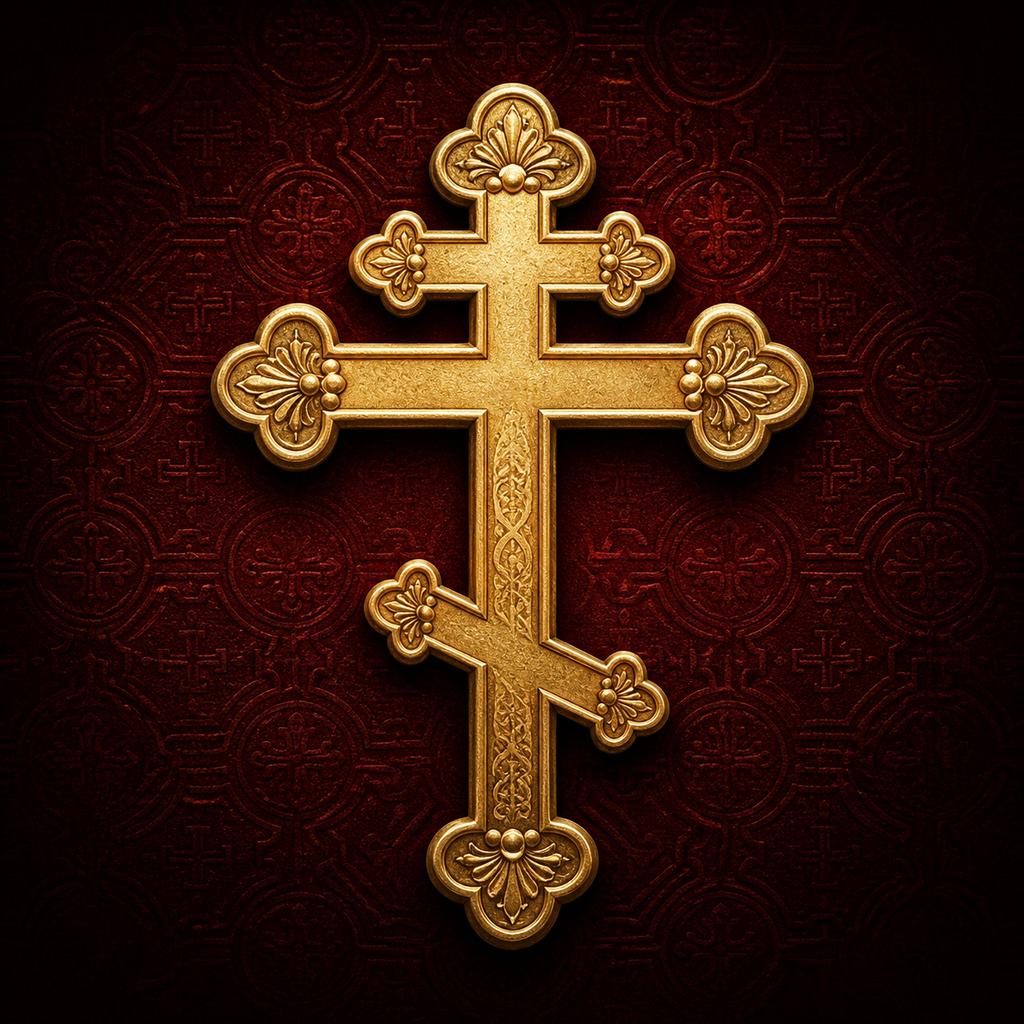
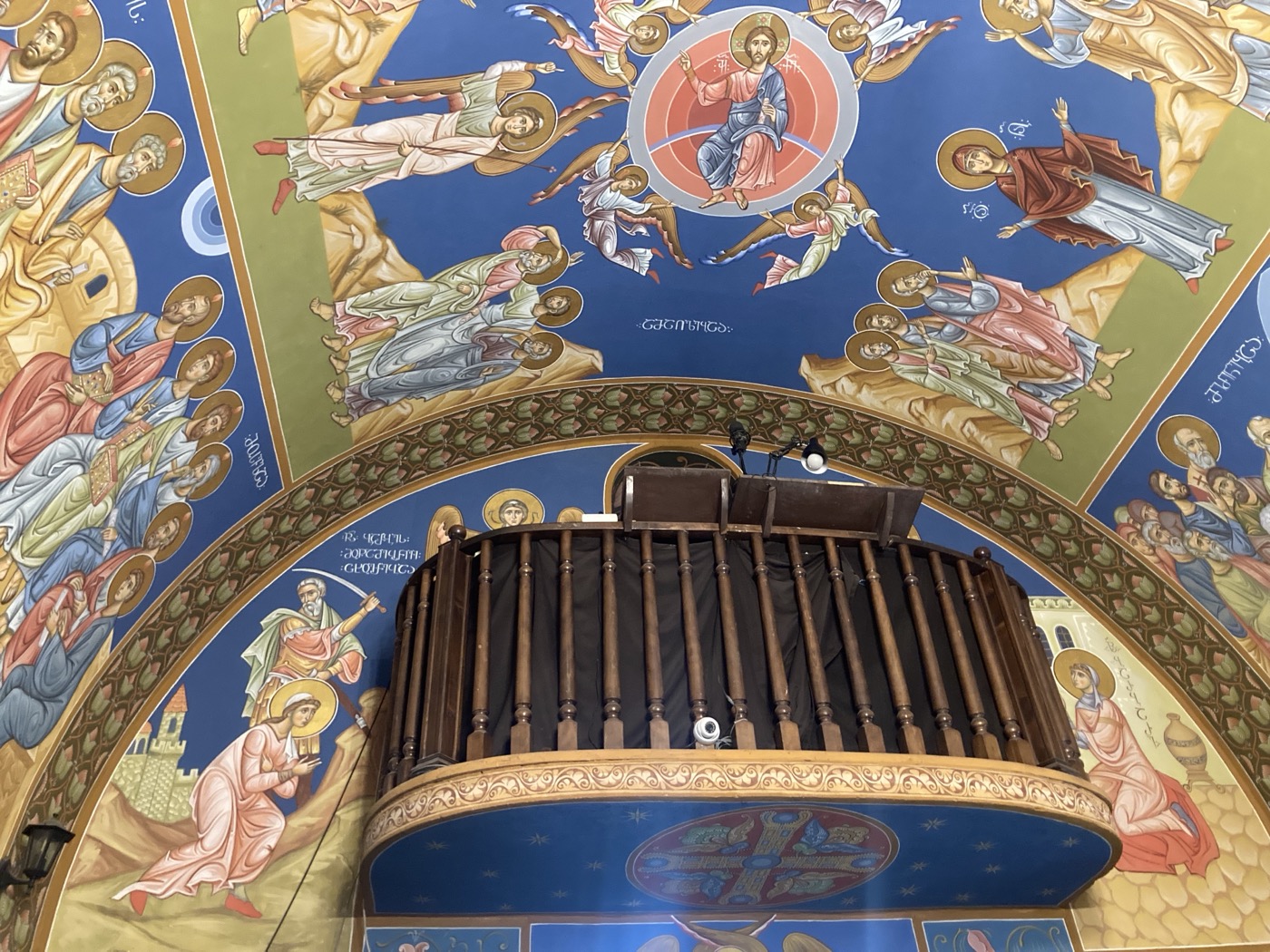
Orthodox Christmas is not simply a seasonal mood. It is a feast of the Incarnation: the Son of God enters human life, poverty, time, and history. The Church celebrates not only that a child was born, but that the eternal Word of God truly became man for the salvation of the world.
God becomes man
Nativity is the feast of the Word made flesh, not simply a religious version of seasonal warmth.
Fast before feast
The Nativity Fast trains attention, mercy, restraint, and prayer so the feast is received with humility.
One feast, varied dates
December 25 and January 7 civil observances reflect calendar practice, not two different Orthodox Christmases.
The Word Made Flesh
Nativity is the Incarnation, not merely Orthodox Christmas atmosphere.
The feast proclaims that the eternal Son of God truly becomes human. Customs, family meals, and calendar dates should lead into worship, not replace the mystery.
The Nativity Fast trains attention, mercy, prayer, and restraint before festal joy.
Royal Hours, hymns, readings, and services place Christ's birth inside salvation history.
The cave, manger, Theotokos, Joseph, angels, shepherds, and Magi teach theology visually.
December 25 and January 7 civil observances reflect calendar practice, not competing feasts.
Incarnation Reception System
Nativity teaches the Church how to receive God made visible in humility.
Orthodox Nativity is not nostalgia around a holy child. It is the confession that the eternal Son and Word of God truly becomes man while remaining truly God. The cave, manger, Theotokos, righteous Joseph, angels, shepherds, Magi, fast, and calendar all serve this center: God enters creation to heal and save it from within.
Nativity is the feast of divine humility, not a seasonal religious mood.
The feast cannot be understood apart from the Theotokos and her obedience.
The cave, manger, and swaddling clothes show God entering the real condition of the world.
The feast is cosmic and universal, not only private family devotion.
Prayer, mercy, confession, and restraint keep the feast from becoming consumption.
The birth of Christ continues toward His manifestation and the blessing of creation.
Liturgical Architecture
Nativity is received as a movement: fasting, prophecy, Incarnation, icon, feast, and manifestation.
Orthodox Christmas becomes shallow when it is treated only as a date or family celebration. The Church gives a fuller pattern: preparation before the feast, prophetic readings, hymns of the Incarnation, the icon's theology, Eucharistic worship, and the road toward Theophany.
The Nativity Fast trains attention through prayer, almsgiving, restraint, confession, and mercy according to parish guidance.
Royal Hours, readings, psalms, and hymns show that Christ's birth fulfills God's work with Israel, creation, and the nations.
Nativity is not only the birth of a holy child. It is the confession that the Son of God enters human life without ceasing to be God.
The darkness, swaddling clothes, Theotokos, Joseph, angels, shepherds, and Magi all point to humility, wonder, and redemption.
Food, greetings, music, gifts, and local traditions become healthier when they serve the Church's prayer rather than replacing it.
Nativity opens toward Theophany, where the incarnate Christ is manifested and creation is blessed in the waters.
Nativity Map
How to understand Orthodox Christmas without flattening it.
Most confusion around Orthodox Nativity comes from mixing different questions: theology, calendar dates, fasting, worship, family customs, and the road toward Theophany. Keep those layers distinct, and the feast becomes much clearer.
The feast of the Incarnation
The Nativity proclaims that God comes near without ceasing to be God. The cave, manger, Theotokos, righteous Joseph, shepherds, angels, and Magi all point to the humility of Christ and the revelation of divine glory in poverty.
| Theme | What the feast teaches |
|---|---|
| Incarnation | The Son of God truly becomes man while remaining truly God. |
| Humility | Christ is born in poverty, showing divine glory through self-emptying love. |
| Fulfillment | The hymns connect Christ's birth with prophecy, Israel, creation, and salvation. |
| Universal joy | The feast is for the whole world, not only one culture or family tradition. |
The Nativity Fast
The Nativity Fast prepares the heart for Christmas through restraint, prayer, almsgiving, and watchfulness. The fast makes room for gratitude and wonder rather than reducing the feast to consumption.
Because the fast is pastoral, its exact discipline should be learned through a parish and priest. The deeper aim is not seasonal severity, but readiness to receive Christ with humility. The fast trains the faithful to see Nativity as the coming of the Savior, not as a private cultural festival.
Let customs serve the feast
Family traditions, food, music, and ethnic customs can be beautiful, but they should serve the Incarnation rather than replace it. The heart of Nativity is Christ's birth for our salvation, received through worship, fasting, mercy, confession, and thanksgiving.
Orthodox Nativity learning sequence
Nativity is best understood as a liturgical movement: preparation, prophecy, the Incarnation, the icon, calendar practice, afterfeast, and the path toward Theophany.
Worship and hymns
The services of Nativity proclaim the mystery of Christ's birth through psalms, prophecy, Gospel readings, icons, and hymns rich with theology. The feast is learned by worship as much as by explanation.
Forefeast, Royal Hours, and preparation
In many Orthodox calendars, the days immediately before Nativity intensify the preparation. The forefeast, Royal Hours, Vespers, Matins, and Divine Liturgy place Christ's birth within prophecy, Israel's hope, and the worship of the Church. Local parish schedules differ, especially when the feast falls on different weekdays, so the parish calendar remains the practical authority.
This matters because Nativity is not learned only from a Christmas morning mood. Orthodox worship prepares the faithful to hear the mystery: the eternal Son of God enters time, the Creator enters creation, and divine humility is revealed without ceasing to be divine glory.
What the Royal Hours teach
Where the Royal Hours are served, the Church hears psalms, prophecy, apostolic readings, Gospel readings, and hymns that gather the whole story of salvation around Christ's birth. The service resists a shallow Christmas mood by placing the manger inside the language of prophecy, sacrifice, poverty, kingship, and redemption.
This is why Nativity cannot be understood only through family customs. The Church teaches the feast through Scripture and hymnography before the social celebration begins. A person who attends even one service may hear the feast differently: not as nostalgia, but as the mystery of God entering human life.
The icon of the Nativity
The Orthodox Nativity icon is dense with theology. Christ is shown in humility, the Theotokos bears the incarnate Word, Joseph struggles with the mystery, the angels glorify God, and the Magi and shepherds show that the feast reaches both the nations and the simple. The dark cave does not cancel the joy of the feast; it shows Christ entering the darkness of the world to illumine it.
Reading the icon without flattening it
The icon is not merely a sentimental picture of a family scene. Christ is often shown wrapped and placed in a cave, already hinting at burial and Resurrection. The Theotokos appears with solemn stillness because the birth of Christ is a cosmic mystery, not only a domestic event. Joseph's struggle shows that faith can include bewilderment before a mystery too large to master.
The shepherds and Magi show that the feast reaches both Israel and the nations, the poor and the learned. Angels glorify God, creation offers a cave, and humanity offers the Virgin Mother. In Orthodox interpretation, the icon gathers worship, prophecy, creation, and salvation into one visual confession of the Incarnation.
December 25 and January 7
Some Orthodox churches celebrate Nativity on December 25 of the civil calendar, while Old Calendar parishes that keep Julian December 25 currently observe it on January 7 of the civil calendar. They are celebrating the same feast according to different calendar practice.
Nativity and Theophany belong together
Nativity begins a festal movement that continues toward Theophany. The Church does not treat Christ's birth as isolated from His manifestation, baptism, and revelation of the Trinity at the Jordan. This keeps Orthodox Christmas from becoming a closed family holiday: it opens outward into worship, light, water blessing, and the revelation of Christ to the world.
The Word enters human life.
Nativity reveals divine humility: the Creator enters creation without ceasing to be God.
The Son is revealed at the Jordan.
Theophany shows Christ publicly and reveals Father, Son, and Holy Spirit in the Gospel account.
The season moves from home to parish to world.
Fasting, services, blessing, Scripture, and family customs should all serve the revelation of Christ.
Family customs
Orthodox Nativity customs differ widely among Greek, Serbian, Russian, Antiochian, Romanian, Georgian, Bulgarian, Ukrainian, and other Orthodox communities. Meals, hymns, greetings, parish services, and home traditions should be received through parish life rather than treated as one universal checklist.
Common mistakes online
One common mistake is to explain Orthodox Christmas only as "January 7." That is incomplete. Many Orthodox Christians celebrate Nativity on December 25 of the civil calendar, while Old Calendar parishes currently observe Julian December 25 on January 7. The theological feast is the same; calendar practice varies.
Another mistake is to treat Nativity as mainly ethnic folklore. Customs can be beautiful and meaningful, but they do not define the feast. The center is the Incarnation: the Word of God truly becomes man for our salvation.
After the feast
Nativity does not end with a single service. The Church continues with afterfeast hymns, commemorations connected with Christ's birth, and the movement toward Theophany. The faithful are invited to carry the joy of the Incarnation into prayer, mercy, family life, and parish worship.
How Nativity differs from cultural Christmas
Orthodox Nativity can include family customs, food, music, gifts, and ethnic traditions, but the feast is not defined by nostalgia or seasonal feeling. Its center is theological: the Word becomes flesh, creation receives its Creator, and salvation is revealed through humility.
This distinction matters because Orthodox Christians live the feast through preparation as well as celebration. The Nativity Fast, confession, almsgiving, services, and Scripture keep the focus on receiving Christ rather than consuming a holiday mood.
How to keep Nativity in parish life
The most reliable way to keep Nativity is to follow the parish calendar: fasting guidance, confession availability, Vespers, Matins, Divine Liturgy, and the afterfeast. Home customs can be beautiful, but they should grow from the Church's worship rather than replace it.
For mixed families or converts, this can require patience. Some relatives may know Christmas only as a cultural holiday. A gentle Orthodox approach keeps the feast with reverence without despising family life: attend services when possible, pray simply at home, give thanks, and let Christ's humility shape the way the feast is shared.
Why Nativity is not escapism
The Nativity icon places Christ in humility, poverty, and darkness, not in sentimental comfort. This matters pastorally. Many people approach Christmas with loneliness, grief, family pain, or exhaustion. Orthodox Nativity does not require them to pretend that life is cheerful. It proclaims that Christ enters the real darkness of the world.
Because the Word becomes flesh, human weakness is not outside God's mercy. The feast invites honest joy: not denial of sorrow, but hope because God has come near. This is why the Church's worship is deeper than holiday mood. It can hold both wonder and pain before Christ.
What a serious Nativity reminder should do
A Nativity reminder should not simply say "Christmas is coming." For an Orthodox Christian, the reminder should connect preparation, fasting context, Scripture, saints, service times, Theophany, and the parish calendar. It should also be gentle enough for people whose December is complicated by grief, family pressure, travel, or mixed calendars.
Orthodox Daily Prayer can serve this best by keeping the season visible without pretending to replace the parish. The app can remind, orient, and gather prayer; the Church teaches the feast through services, confession, Communion, Scripture, icons, and pastoral care.
Common questions about Orthodox Nativity
What is Orthodox Nativity?
Orthodox Nativity is the feast of the birth of Christ, celebrating the Incarnation: the eternal Son of God truly becomes man for our salvation.
Why do some Orthodox Christians celebrate Christmas on January 7?
Old Calendar Orthodox parishes that keep Julian December 25 currently observe Nativity on January 7 of the civil calendar. Other Orthodox parishes celebrate on December 25 of the civil calendar.
How do Orthodox Christians prepare for Nativity?
Orthodox Christians prepare through the Nativity Fast, prayer, almsgiving, confession, Scripture, and participation in parish services.
Is Orthodox Nativity only about the birth of Jesus as a child?
No. The feast celebrates the Incarnation: the eternal Son and Word of God truly becomes man while remaining truly God.
Why does the Orthodox Nativity icon show a cave?
The cave shows Christ entering the darkness and poverty of the world. In many icons, the manger and swaddling clothes also hint toward His burial and Resurrection.
How is Nativity connected to Theophany?
Nativity celebrates the birth of Christ; Theophany celebrates His manifestation at the Jordan. Together they show the Incarnation and public revelation of the Son of God.
Nativity study path
Read Nativity together with fasting, Theophany, the Theotokos, and calendar practice.
Source note
This guide follows Orthodox liturgical teaching on the Nativity of Christ, the Incarnation, the Nativity Fast, and the movement from Nativity toward Theophany. Calendar practice and local customs vary by parish.
Source Trail
Read this topic with the Church, not only the internet.
These links give a cautious path for checking the topic further. They do not replace parish worship, confession, pastoral guidance, or the calendar used by your bishop and local parish.
Nativity Season
Keep the feast connected to prayer.
Orthodox Daily Prayer helps keep the Nativity Fast, feast days, Scripture, saints, and daily prayers close without reducing Christmas to noise.
For exact service times, fasting guidance, and local customs, follow your parish calendar and speak with your priest.