The Meeting of the Lord is celebrated on February 2. It remembers the Gospel event in which Christ is brought into the Temple and received by Symeon and Anna. In the West this feast is often associated with the Presentation of Christ; in Orthodox usage, the meeting is central.
Symeon's words speak of light, fulfillment, and departure in peace. The old covenant is not discarded as meaningless; it meets its fulfillment in Christ. The child carried into the Temple is the Lord of the Temple.
Luke 2 is read liturgically.
The feast is not only Bible information. The Church receives the Gospel through hymnography, icons, Vespers, and the calendar.
Forty days after Nativity.
The Incarnation is contemplated beyond Christmas Day, showing Christ entering the Temple as the Lord for whom it existed.
Symeon's words become evening prayer.
The feast quietly shapes ordinary Orthodox life because his prayer is heard again and again at Vespers.
Feast Reading
The Lord enters the Temple quietly, and the watchful recognize Him.
The Meeting of the Lord teaches fulfillment without spectacle: Christ is carried as a child, yet He is the Lord for whom the Temple existed.
- Read Luke 2 liturgically.Symeon and Anna show patient faith, watchfulness, and recognition shaped by prayer.
- Hear the evening prayer.Symeon's words are not only feast-day text; they echo through Orthodox Vespers and the daily cycle.
- Keep light and Cross together.The feast speaks of revelation to the nations while already pointing toward contradiction, sorrow, and salvation.
Meeting of the Lord learning sequence
The feast joins Luke 2, Nativity, Temple fulfillment, Vespers, prophecy, and patient recognition.
Feast Context
Let this feast teach Scripture, Vespers, and patient recognition.
The Meeting is a doorway into how Orthodoxy reads Scripture liturgically: Nativity continues, the Temple receives Christ, Symeon and Anna recognize salvation through long faithfulness, Symeon's prayer enters Vespers, and the Cross is already foreshadowed.
Recognition System
The feast asks how Christ is recognized when He comes without spectacle.
The Meeting of the Lord is not only a tender Temple scene. It is a complete Orthodox lesson in fulfillment: the Law is honored, the Temple receives its Lord, the old and the young meet, patient prayer becomes vision, and light already casts the shadow of the Cross.
The feast keeps Christmas from becoming isolated sentiment and shows the Incarnation entering Israel's worship.
Orthodox reading avoids contempt for the Old Testament: promise, worship, and priestly expectation meet Christ.
Symeon recognizes salvation because his life has been shaped by waiting, prayer, and the Holy Spirit.
Anna shows that ascetic watchfulness is not escape from the world but readiness to proclaim the Lord.
Evening prayer teaches the faithful to end the day by recognizing Christ and departing in peace.
Symeon's prophecy prevents sentimentality: the Child brings peace, judgment, revelation, and the sword of the Passion.
Symeon, Anna, and fulfillment
Symeon represents faithful expectation. Anna represents watchful prayer. Their encounter with Christ reveals that salvation is not an idea but a person. The feast teaches patience, recognition, and the hidden presence of God in humility.
Both figures are elderly, patient, and attentive. The feast does not show salvation arriving through spectacle or novelty. It shows Christ recognized by people formed through long faithfulness. Symeon and Anna teach that spiritual sight comes through prayer, waiting, and purity of attention.
| Element | Meaning |
|---|---|
| Date | February 2 according to the parish calendar. |
| Gospel | Christ is brought to the Temple and received by Symeon and Anna. |
| Theme | The Lord enters His Temple and fulfills Israel's hope. |
| Spiritual emphasis | Watchfulness, patience, peace, and recognition of Christ. |
Why the feast matters now
The Meeting of the Lord teaches that faith is not only dramatic conversion. It is also long expectation, prayerful endurance, and readiness to recognize Christ when He comes in humility rather than spectacle.
Patience as a form of Orthodox watchfulness
Symeon and Anna do not recognize Christ because they are chasing novelty. They recognize Him because their lives have been shaped by waiting, prayer, and fidelity. This is a quiet but important Orthodox lesson. Spiritual attention is formed over time; it is not the same as religious excitement.
The feast therefore speaks strongly to modern people who expect instant clarity. Symeon receives Christ after a long life of expectation. Anna serves in prayer and fasting. Their joy is not shallow optimism; it is the fruit of patient faith.
Why the Temple matters
The Temple is not an incidental setting. In the biblical world, the Temple is the place of worship, sacrifice, prayer, priesthood, and encounter with God. When Christ is brought into the Temple, the Lord enters the place that points toward Him. The feast reveals fulfillment, not replacement by contempt.
This is why Orthodox interpretation avoids treating the Old Testament as disposable. The promises, prayers, and worship of Israel are fulfilled in Christ. Symeon and Anna are not outsiders to the story; they stand at the threshold where expectation meets the Savior.
There is also a deep humility in the scene. Christ is the Lord and Lawgiver, yet He is brought according to the Law. The feast therefore teaches obedience without inferiority, fulfillment without contempt, and divine majesty hidden in ordinary liturgical faithfulness.
Meeting, Presentation, and Candlemas
In English, the feast may be called the Meeting of the Lord, the Presentation of Christ in the Temple, or Candlemas in some Western contexts. Orthodox usage often emphasizes the meeting itself: Christ is brought into the Temple and received by Symeon and Anna. The same Gospel event is being contemplated, but the emphasis can differ by tradition and language.
Beginners should not be confused if calendars or churches use slightly different English names. The Orthodox meaning remains centered on Luke 2: Christ enters His Temple, fulfills expectation, and is revealed as light for all peoples.
Forty days after Nativity
The feast occurs forty days after the Nativity of Christ. This timing matters because the Church continues to contemplate the Incarnation beyond Christmas Day itself. The child born in humility is brought into the Temple, and the Temple receives the Lord for whom it existed.
Symeon's song, often called the Nunc Dimittis in the West, is sung in Orthodox Vespers: "Lord, now lettest Thou Thy servant depart in peace..." The feast therefore enters ordinary evening prayer. Every Vespers echoes the old man's peace before Christ.
Old Calendar and New Calendar dates
The feast is February 2 on the church calendar. In communities using the Julian calendar for fixed feasts, February 2 currently appears as February 15 on the civil Gregorian calendar during the years 1900 through 2099. This is the same feast, not a different event.
Because Orthodox parishes in the same city may follow different fixed-feast calendars, the parish calendar is the practical authority for service times, fasting context, and actual observance.
Light and contradiction
Symeon speaks of Christ as light, but also as a sign that will be spoken against. The Meeting is tender, but not sentimental. The child in Mary's arms is the Savior, and His coming reveals hearts. The feast quietly points forward to the Cross while still shining with the light of fulfillment.
Symeon's prayer in Orthodox worship
Symeon's words are not trapped in the past. In Orthodox Vespers, the Church repeatedly sings his prayer of peaceful departure. This means the Meeting of the Lord quietly enters the daily cycle of prayer. Evening by evening, the Church learns to end the day as Symeon ended his waiting: having seen the salvation of God.
That makes the feast especially important for people learning Orthodox prayer. It shows that liturgical words are not only information about an event. They become the Church's own way of standing before Christ with patience, recognition, and peace.
The Theotokos and the Temple
The feast also reveals the role of the Theotokos with great restraint. Mary brings the incarnate Lord into the Temple. She does not replace Christ; she bears Him. Symeon's prophecy that a sword will pierce her soul points toward the Cross, showing that the joy of the Incarnation will pass through suffering.
Orthodox devotion to the Theotokos is therefore inseparable from Christ. In this feast, her obedience, purity, and suffering are seen only because she stands in relation to Him, the Lord who enters His Temple as a child.
Not sentimental childhood imagery
The Meeting of the Lord can be misread as only a tender scene with an infant. The tenderness is real, but the feast is not sentimental. Symeon's words include light for revelation, glory for Israel, contradiction, the revealing of hearts, and the sword that will pierce the soul of the Theotokos.
This gives the feast its Orthodox seriousness. Christ's coming brings peace, but not cheap peace. He reveals the heart. The child is received in the Temple, yet the Cross is already shadowed in the prophecy.
What the feast teaches beginners
For someone new to Orthodoxy, this feast teaches several things at once: the Church reads Scripture liturgically, honors the Theotokos in relation to Christ, understands the Old Testament as fulfilled in Him, and turns biblical words into daily prayer through Vespers. A single feast becomes a small doorway into the whole Orthodox way of reading.
This is why calendar awareness matters. If the feast is only a notification, it remains shallow. If the user sees the date, reads Luke 2, hears Symeon's prayer at Vespers, and connects the event to Nativity and the Cross, the calendar becomes catechesis.
Why this feast belongs to daily prayer
The Meeting of the Lord is especially useful for people learning Orthodox prayer because Symeon's words appear in Vespers. The feast is not locked away on February 2. Its prayer becomes part of the Church's daily evening rhythm, teaching the soul to recognize Christ and depart in peace.
A prayer app can help users notice that connection: the feast, Luke 2, Vespers, evening prayer, and the Church calendar all belong together. The goal is not only to know the date, but to hear the same prayer with more attention when it appears in daily worship.
The icon of the Meeting
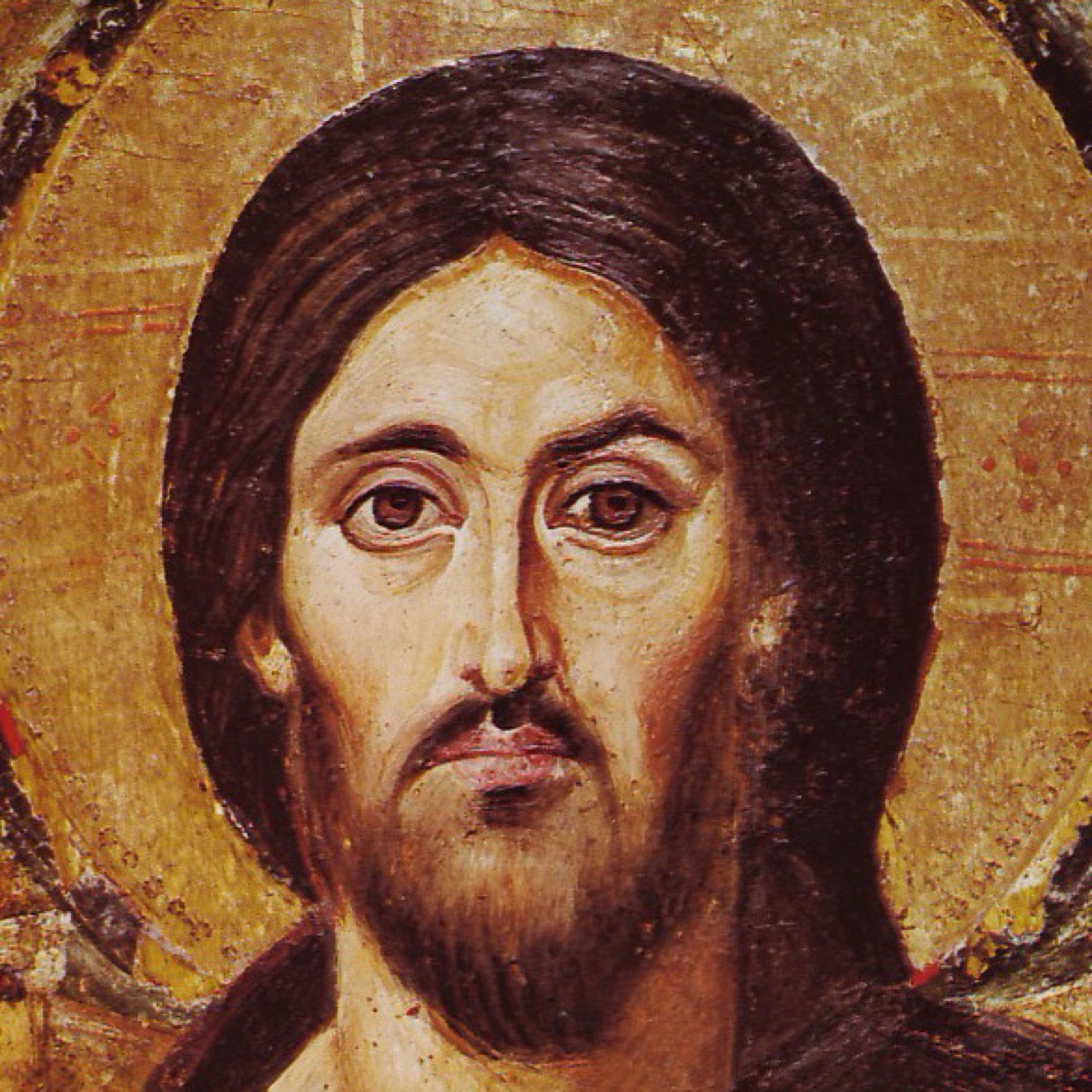
The icon commonly shows the Theotokos bringing Christ to the Temple, Symeon receiving Him, and Anna present as a witness. Joseph may appear with the offering. The image teaches theology by placement: the child is small in appearance yet central in meaning; the old covenant receives its fulfillment; the Mother of God offers the One who will offer Himself for the life of the world.
For beginners, the icon is a useful correction to sentimentality. The tenderness of an infant being received is real, but the feast also contains prophecy, fulfillment, light, contradiction, and the shadow of the Cross.
Why this feast is especially good for beginners
The Meeting of the Lord gathers many Orthodox instincts in one place without becoming overwhelming: Scripture is read through worship, the Theotokos is honored in relation to Christ, the Old Testament is fulfilled rather than mocked, the calendar teaches doctrine, and daily prayer receives biblical words as the Church's own voice.
How to keep the feast without reducing it to a date
Begin with the parish calendar, then read Luke 2 slowly. If Vespers is served, listen for Symeon's prayer and notice how the same words appear in ordinary evening prayer. If you keep home prayer, the feast can make the close of the day more attentive: to end the day in peace is to stand, however imperfectly, with Symeon before Christ.
| Layer | What to notice |
|---|---|
| Gospel | Christ is received in the Temple by Symeon and Anna as fulfillment, light, and salvation. |
| Icon | The small child is central because He is the Lord entering His Temple. |
| Vespers | Symeon's prayer becomes the Church's evening language of peace. |
| Cross | The prophecy of contradiction and the sword points forward to suffering and revelation of hearts. |
Meeting of the Lord study path
Read the feast with Nativity, the Theotokos, Vespers, and the Church year.
Source note
This guide follows Luke 2 and Orthodox liturgical teaching, especially the Orthodox Church in America's explanation of the Meeting of the Lord.
Questions people ask
When is the Meeting of the Lord?
It is kept on February 2 according to the parish calendar.
Who are Symeon and Anna?
They are righteous figures in Luke's Gospel who recognize Christ when He is brought into the Temple.
What is the main theme?
Christ, the Lord of the Temple, enters the Temple and fulfills the hope of Israel.
Why is Symeon's prayer important in Orthodox worship?
Symeon's prayer is sung at Vespers, so the feast's language of peaceful recognition becomes part of the Church's daily evening prayer.
Do Old Calendar parishes observe it on another civil date?
Often yes. Julian February 2 currently appears as February 15 on the civil Gregorian calendar in the years 1900 through 2099.
Source Trail
Read this topic with the Church, not only the internet.
These links give a cautious path for checking the topic further. They do not replace parish worship, confession, pastoral guidance, or the calendar used by your bishop and local parish.
Daily Watchfulness
Let feast days teach patient prayer.
Orthodox Daily Prayer helps keep Scripture, saints, feast days, and prayer woven into ordinary days.