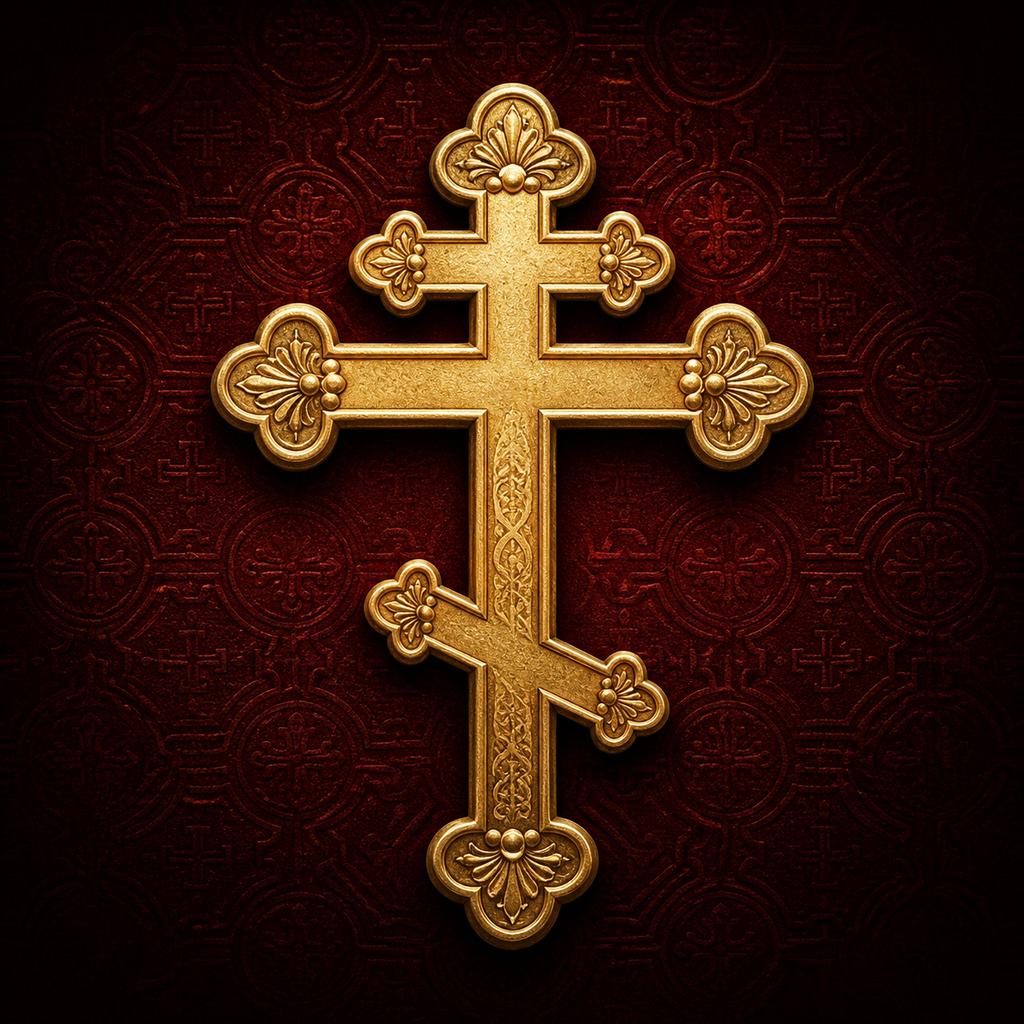

An Orthodox funeral is not a celebration of death and not a denial of grief. It is prayer before God for the departed person, comfort for those who mourn, and confession that Christ has trampled down death by death.
The funeral service is deeply theological. It speaks plainly about mortality, repentance, judgment, mercy, and resurrection. The Church does not pretend death is natural in the sense of harmless; death is an enemy overcome by Christ.
The departed are entrusted to God.
The funeral is not merely a memory service. It is prayer for mercy, rest, forgiveness, and resurrection hope.
The service names death honestly.
Orthodox worship does not hide mortality behind vague optimism. It grieves truthfully because Christ is risen.
Call the parish early.
Funeral home arrangements, cremation questions, memorial customs, and timing should be discussed with the priest before decisions harden.
First Steps
Orthodox grief needs prayer before logistics take over.
The funeral is not a generic memorial with Orthodox decoration. It is the Church's prayer for the departed and a sober confession of resurrection hope.
- Call the priest early.Do this before irreversible arrangements with the funeral home, cemetery, music, cremation, or service location are made.
- Preserve the Church's prayer.Hospitality to relatives matters, but the service itself has its own form, theology, and reverent boundaries.
- Continue remembrance.Memorial prayers, names of the departed, almsgiving, visits, and parish support carry grief beyond the funeral day.
Liturgical Logic
The funeral teaches the Church how to grieve.
Orthodox burial does not rush toward pleasant memories or hide the terror of death. The service places the departed before God, teaches the living sobriety, and lets Christian mourning speak inside the Resurrection of Christ.
Personal memories may be precious, but the church service is first prayer: mercy, rest, forgiveness, and hope before the judgment and love of God.
The funeral names mortality, vanity, repentance, and the limits of earthly success because Christians can tell the truth in the light of Pascha.
The Church treats the body with reverence and gives burial questions pastoral seriousness, because the human person is not a disposable shell.
Memorial services, names, almsgiving, graveside prayer, and local customs keep love active as prayer, without pretending grief disappears quickly.
Funeral Core Map
The Orthodox funeral is prayer for the departed, truth about death, and hope in the Resurrection.
The Church does not turn death into sentimental optimism or public performance. It entrusts the departed to God's mercy, teaches the living to repent, treats the body with reverence, and carries grief inside the victory of Christ over death.
Grief Guardrails
A serious Orthodox response to death protects prayer from panic, pressure, and public performance.
Grieving families are often overwhelmed by paperwork, relatives, funeral-home timelines, travel, cost, and shock. Orthodox guidance should lower confusion: call the parish, keep the Church's prayer central, avoid irreversible decisions made in panic, and support mourners after the public attention fades.
Memorial Care
Orthodox remembrance continues as prayer, mercy, and patient presence after the funeral day.
The public service may end quickly, but grief rarely does. Memorial prayers, names, almsgiving, meals, cemetery visits, quiet check-ins, and local customs help love remain active without forcing mourners into performance or shallow cheerfulness.
Names, memorial services, parish lists, and home prayer carry remembrance as intercession rather than nostalgia alone.
Koliva, koljivo, parastos, panikhida, mnemosyno, and memorial days vary; they should not become pressure on a grieving family.
Meals, rides, errands, childcare, calls, and sitting without speeches can become concrete acts of mercy.
Posting times and memories can help, but the departed person should not become material for commentary or performance.
Funeral-home defaults, cremation questions, cemetery customs, and family pressure should be discussed with the priest early.
The Church lets mourners weep while placing sorrow inside Christ's victory over death.
Orthodox funeral learning sequence
The funeral is best understood as prayer, truth about mortality, and resurrection hope held together.
The funeral as prayer
The funeral is not a religious biography of the departed and not a sentimental performance for the living. It places the departed before the mercy of God, teaches the living to repent, and proclaims the Resurrection without pretending that grief has no weight.
The service teaches the living
Orthodox funeral texts often surprise visitors because they speak so directly. The hymns do not hide mortality behind vague comfort. They ask what wealth, beauty, status, and earthly success can do at the hour of death. That honesty is not cruelty. It is spiritual sobriety: the funeral teaches everyone present to remember God, repent, and live for the Kingdom.
At the same time, the service is not despairing. It places the departed before Christ, asks for rest among the saints, and looks toward the resurrection of the dead. Orthodox funerals hold together two truths that modern culture often separates: death is terrible, and Christ is risen.
Prayer for the departed
Orthodox Christians pray for the departed because love does not stop at death and because the Church entrusts every person to God's mercy. Memorial services, koliva or koljivo in some traditions, and commemorations vary by local practice.
This prayer is not an attempt to control mysteries that belong to God. It is the Church continuing to love. The departed are named before God, and the living refuse to let death turn love into silence. Orthodox remembrance is therefore both humble and bold: humble because judgment belongs to God, bold because Christ has conquered death.
| Element | Meaning |
|---|---|
| Funeral service | Prayer for the departed and proclamation of resurrection hope. |
| Psalms and hymns | The Church speaks honestly about death and mercy. |
| Memorials | Continuing prayer for the departed according to local tradition. |
| Pastoral care | The priest guides funeral arrangements and family questions. |
Grief with hope
Orthodox faith does not require shallow cheerfulness. Mourners may weep. The funeral teaches grief inside the Resurrection, not grief erased by slogans. The Christian hope is not that death is fine, but that Christ is risen.
The body is treated with reverence
Orthodox funerals show reverence for the body because the human person is not a disposable shell. The body has been created by God, baptized, chrismated, and called to resurrection. This is why the Church's funeral prayers, burial customs, and local pastoral guidance matter deeply.
For this reason, Orthodox practice traditionally favors burial and treats cremation questions with seriousness. Families should not decide such questions from internet arguments or funeral-home convenience alone. They should speak with the priest early, because local bishops and parishes may have specific pastoral and canonical guidance.
The Psalms, candles, and final kiss
Details vary, but Orthodox funerals commonly surround the departed with prayer, candles, psalmody, hymns, icons, incense, and the presence of the Church. The final kiss or farewell can be especially moving: the faithful do not treat the body as meaningless, yet they also entrust the person to God rather than clinging without hope.
Visitors should not worry if they do not know every gesture. Stand quietly, listen, pray as you can, and follow the parish's lead. If you are unsure whether to approach, venerate, or participate in a particular custom, ask respectfully or simply remain still. Reverence is often more important than perfect knowledge.
Memorial prayer and remembrance
Many Orthodox traditions keep memorial prayers at particular intervals and on annual commemorations. Customs around koliva or koljivo, graveside prayers, Saturday memorials, and family remembrance differ by local tradition. The common heart is prayer: the departed are entrusted to the mercy of God, and the living learn to remember with hope.
Some families hear about third-day, ninth-day, fortieth-day, annual, or Saturday memorials. Others know the Serbian word parastos, the Greek mnemosyno, or the Slavic term panikhida. These customs are not identical everywhere, and nobody should weaponize them against a grieving family. The priest can explain what is normal in that parish and what can be done with love and peace.
Practical pastoral questions
Families should contact the parish priest as early as possible after a death, especially before making funeral home arrangements that could conflict with parish practice. Questions about cremation, timing, location, non-Orthodox relatives, music, memorial meals, and cemetery customs belong to pastoral guidance, not online guesswork.
If death is expected
When a death is expected because of age or illness, families should not wait until the last moment to involve the priest. The parish can help with Confession, Communion, Holy Unction where appropriate, prayers at the bedside, and practical guidance for what to do after death. Early contact can prevent confusion later.
This is not morbid. It is pastoral realism. Orthodox Christianity faces death honestly because Christ has entered death and risen. Preparing with prayer can give the sick person and family more peace than pretending the conversation can wait forever.
When relatives are not Orthodox
Funerals often gather relatives and friends who do not share the Orthodox faith. The family may feel pressure to shorten the service, change the music, replace prayers with speeches, or make the funeral sound like a secular memorial. The priest can help the family show hospitality to visitors while preserving the Church's prayer.
A clear explanation can help: the Orthodox funeral is not designed as a showcase of personal achievements. It is a prayer for mercy, a confession of resurrection hope, and a final act of love. Memories and words of gratitude may have an appropriate place around the funeral meal or another gathering, depending on local practice, but the church service itself has its own form.
Hope does not erase mourning
Orthodox hope is not a command to stop grieving. Christ Himself wept at the tomb of Lazarus. The funeral service allows sorrow to speak, but places sorrow inside prayer. The Church does not offer vague optimism; it confesses the Resurrection while still standing at the grave.
This is why Orthodox funeral hymns can sound both severe and merciful. They remind the living of repentance and mortality, while asking God to grant rest to the departed. The service is honest enough to grieve and bold enough to hope.
Planning with the parish
Families often face pressure from funeral homes, distant relatives, travel schedules, and local customs. The safest first step is to call the parish priest early. The priest can explain what the parish can do, what customs are appropriate, and how to handle sensitive questions with patience and clarity.
What online guides cannot decide
Funeral questions often involve grief, family tension, civil requirements, local cemetery practice, and the discipline of a particular Orthodox parish. An article can explain the theology of prayer for the departed, but it cannot decide pastoral questions for a family. The priest and parish should be involved before irreversible arrangements are made.
This is especially important when relatives are not Orthodox, when travel is difficult, or when the family is uncertain about memorial customs. The Church's guidance is meant to protect prayer, reverence, and peace at a vulnerable moment.
Supporting mourners after the funeral
Orthodox care should not end when the funeral meal is over. Grief often becomes heavier after visitors leave and ordinary life resumes. Parishioners can help by remembering memorial days, bringing meals, checking in quietly, praying by name, offering rides to services, and allowing mourners to speak without forcing them to become cheerful.
This is another form of almsgiving. Time, attention, and patient presence are gifts. The grieving person may not need explanations; they may need the Church to keep praying, remembering, and carrying them gently toward Paschal hope.
Remembering without turning grief into content
In a digital age, grief can be pushed into public posts before the family has even prayed. Orthodox remembrance asks for more care. Sharing a death announcement, funeral time, or memory can be appropriate, but the departed person should not become material for attention. Prayer, almsgiving, quiet remembrance, and support for the family are often more faithful than constant commentary.
A prayer app can help a person keep names of the departed, remember memorial days, and pray in a simple way. But even here the app should remain modest. The Church's funeral and memorial life is not a productivity system for grief. It is love continuing as prayer in the presence of Christ.
Grieving families need fewer guesses, not more pressure
When someone dies, the family may be overwhelmed by funeral homes, relatives, travel, paperwork, cultural expectations, and shock. The most helpful Orthodox advice is often simple: call the priest early, preserve the Church's prayer, avoid irreversible decisions made in panic, and let the parish help carry what the family cannot carry alone.
A careful first-call checklist
The first call to the parish does not need to be perfect. Tell the priest who has died, where the body is, whether a funeral home is involved, whether the departed was Orthodox, whether there are urgent timing issues, and whether the family is facing cremation, travel, cemetery, or non-Orthodox-relative concerns. The priest can then guide the next steps according to local practice.
| Question | Why it matters |
|---|---|
| Was the departed Orthodox? | The priest needs to know the sacramental and parish context before arranging the service. |
| Has the funeral home been instructed? | Some decisions can conflict with Orthodox funeral practice if made too quickly. |
| Are relatives requesting changes? | The priest can help preserve the Church's prayer while showing hospitality to visitors. |
| What memorial customs are expected? | Koliva, koljivo, parastos, panikhida, graveside prayers, and memorial days vary by tradition. |
Death and resurrection hope
Funeral arrangements, memorial customs, cremation questions, and parish requirements should be discussed directly with the priest. This page is educational, not a substitute for pastoral care.
Source note
This article follows Orthodox liturgical and pastoral teaching and the Orthodox Church in America's explanation of the funeral service. Local customs can vary significantly.
Questions people ask
Do Orthodox Christians pray for the dead?
Yes. The Church prays for the departed, entrusting them to God's mercy and confessing the hope of resurrection.
Is an Orthodox funeral only for comfort?
It comforts the living, but it is also prayer for the departed and a serious confession of Christ's victory over death.
Who should arrange an Orthodox funeral?
The family should contact the parish priest as early as possible for guidance and local requirements.
Are Orthodox memorial customs the same everywhere?
No. Memorial days, foods, cemetery customs, and family practices can vary by local tradition and parish guidance.
Why does the funeral speak so directly about death?
Because Orthodox prayer does not deny mortality. It names death honestly while confessing Christ's Resurrection.
Source Trail
Read this topic with the Church, not only the internet.
These links give a cautious path for checking the topic further. They do not replace parish worship, confession, pastoral guidance, or the calendar used by your bishop and local parish.
Memory And Prayer
Keep prayer steady in grief and remembrance.
Orthodox Daily Prayer helps keep daily prayer, Scripture, saints, and the Church calendar near at hand.