
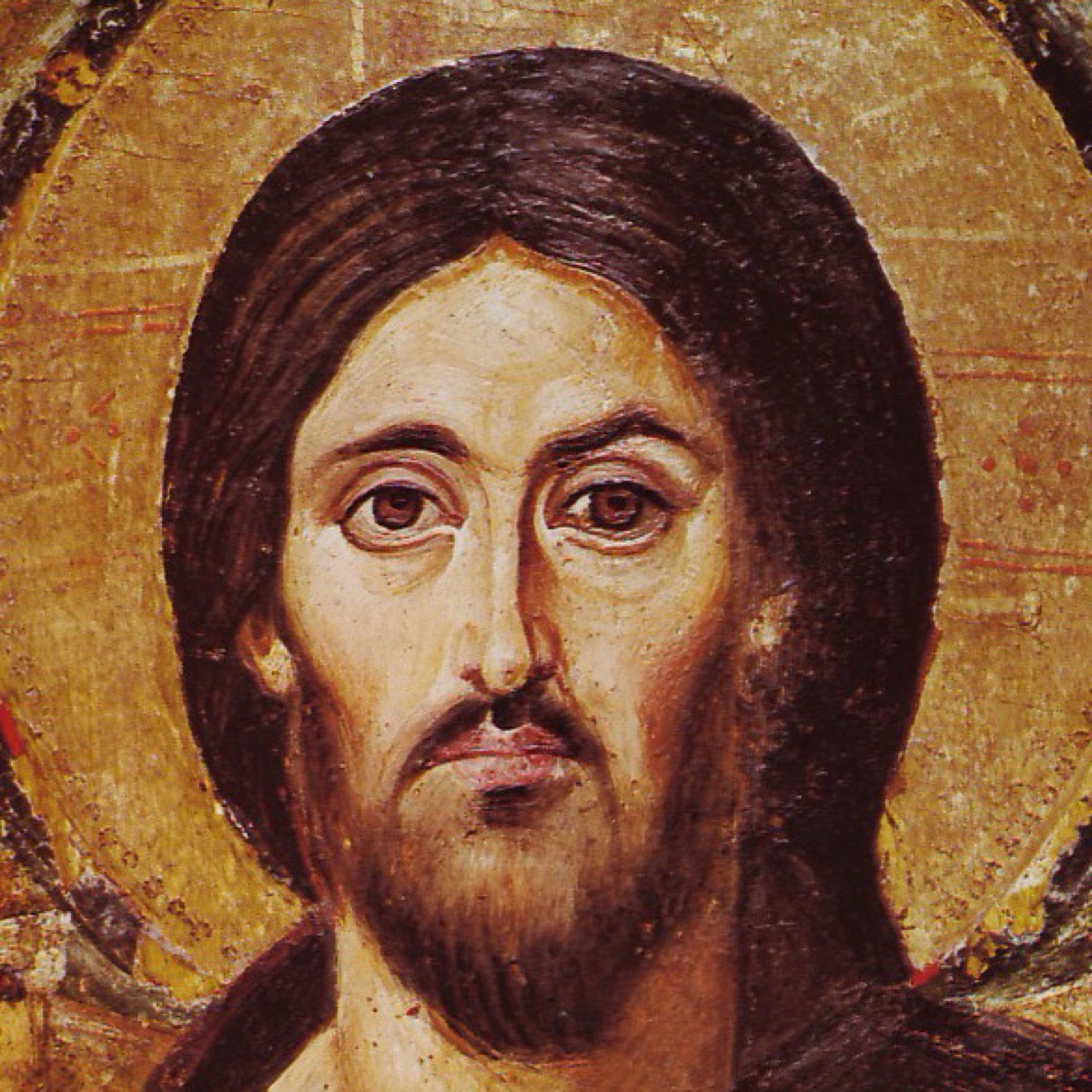
The Bridegroom services are served in many Orthodox parishes during the first days of Holy Week. They are Matins services, often anticipated in the evening, and they focus on watchfulness, repentance, and readiness to meet Christ.
The image of Christ the Bridegroom is solemn. It does not present romance or sentiment. It shows the Lord who comes to His Passion, crowned in mockery, silent before suffering, and yet revealed as the true Bridegroom of the Church.
The Bridegroom is the Lord who comes to His Passion in self-emptying love, not a romantic image.
The services ask whether the heart is ready for Christ or asleep in distraction and religious familiarity.
Watchfulness becomes real through confession, forgiveness, prayer, mercy, and less noise.
Holy Week Attention
The Bridegroom services train watchfulness, not religious intensity.
The early days of Holy Week ask the faithful to wake up: Christ comes, the heart is distracted, repentance is urgent, and mercy is still open.
- Listen for the warning.The hymns expose spiritual sleep, hypocrisy, wasted time, and the need for repentance.
- Do what is possible.Holy Week is dense. Attendance should be serious but realistic, guided by parish rhythm and life circumstances.
- Let watchfulness become mercy.The services should make a person humbler, more prayerful, and less performative.
Pastoral note
The severity of the Bridegroom hymns should not be turned into despair or religious panic. Receive them as a serious invitation to repentance, then make one concrete movement toward Christ with the guidance and rhythm of your parish.
Bridegroom services learning sequence
These services teach Holy Week through watchfulness: Christ the Bridegroom, parables, hymns, repentance, betrayal, and the coming Passion.
Holy Week Structure
Read the Bridegroom services as a three-night examination of the heart.
Orthodox Holy Week does not begin as religious mood-setting. The Bridegroom services place Christ before the faithful and ask whether the soul is awake, fruitful, repentant, and ready to follow Him into the Mystical Supper, Cross, tomb, and Pascha.
Watchfulness Diagnostic System
The early Holy Week services diagnose the heart before the Passion begins.
The Bridegroom cycle is not only beautiful chant in a dark church. It is a disciplined examination: Christ comes in humility, Matins is anticipated in the evening, parables expose negligence, the fig tree tests fruitfulness, the wise virgins test readiness, and Judas exposes the danger of outward closeness without repentance.
The schedule can feel unusual to newcomers, but it helps the parish live Holy Week's sequence.
The image is severe and tender: true majesty appears as voluntary self-emptying love.
The warning is medicinal: empty piety is exposed so repentance can become concrete.
The hymns ask whether the heart personally keeps the lamp of watchfulness burning.
The services are sharp because they speak first to people already standing inside the Church.
The goal is not intense feelings but a heart awake enough to follow Christ into His Passion.
Watchfulness, not panic
The services warn against spiritual sleep. The parables and hymns ask whether the heart is prepared, whether repentance is real, and whether the Christian is waiting for Christ or distracted by lesser loves.
Orthodox watchfulness is not anxiety. It is sober attention before God. The early days of Holy Week place images of readiness before the faithful because the Passion cannot be entered as spectators. The soul is asked to wake up, forgive, repent, and receive Christ without excuses.
This distinction is crucial. Panic turns the self inward and makes the person measure spiritual performance. Watchfulness turns the heart toward Christ. It notices negligence, but it does so in order to return to mercy, prayer, confession, reconciliation, and concrete obedience.
| Theme | Meaning |
|---|---|
| Bridegroom | Christ comes in humility, suffering, and judgment. |
| Watchfulness | The soul is called to wake from negligence and distraction. |
| Repentance | Holy Week begins with inward honesty, not religious spectacle. |
| Preparation | The services lead toward the Mystical Supper, Cross, tomb, and Pascha. |
How to attend
Listen to the hymns. Do not rush to interpret everything as information. Holy Week teaches through repetition, darkness, silence, Scripture, and bodily presence. If you can only attend one Bridegroom service, attend with attention rather than guilt.
Why they are called Matins but served at night
Newcomers often notice that the service may be called Matins even though it is served in the evening. This is common in Holy Week parish practice. The Church anticipates the next liturgical day so that the faithful can participate after work or school. The name can be confusing at first, but the spiritual movement is clear: the early days of Holy Week begin with a call to wakefulness.
This also teaches something important. Orthodox time is not simply the modern clock. The liturgical day, the sequence of services, and the Church's pastoral practice work together to help people enter the mystery. If the schedule seems strange, ask the parish rather than assuming the printed name is a mistake.
The evening timing also prevents the services from becoming information only. A person enters the darkness of the church after an ordinary day and hears a warning against spiritual sleep. That contrast is part of the pedagogy: the modern schedule is interrupted so the soul can notice what it usually ignores.
The hymns as examination of the heart
The Bridegroom hymns are not decorative poetry. They examine the heart with unusual directness: negligence, false piety, wasted time, repentance delayed too long, and the danger of standing near holy things without being changed. This is why the services can feel severe. Their severity is medicinal, not cruel.
The figure of the wise and foolish virgins teaches that borrowed religion cannot replace personal watchfulness. The remembrance of the sinful woman and Judas contrasts repentance with betrayal: one person comes broken and is restored; another remains outwardly close to Christ but inwardly divided.
Repentance and betrayal are placed side by side
The early Holy Week services repeatedly contrast repentance and betrayal. This is not meant to encourage contempt for Judas or sentimental admiration for a repentant figure from a distance. It asks the worshiper to see how close the two paths can stand: outward religious nearness can still become betrayal, while honest repentance can become healing.
This is one reason the Bridegroom services feel so direct. They are not designed to flatter religious people. They ask whether the heart is awake, whether repentance is delayed, and whether beauty has become a substitute for conversion.
The barren fig tree and fruit of repentance
One of the early Holy Week themes is the barren fig tree. The image is severe because it asks whether a life full of religious leaves has borne fruit. Orthodox repentance is not merely feeling bad or admiring serious hymns. It should become concrete: reconciliation, confession, mercy, prayer, fasting according to one's strength, and a heart less defended against God.
The point is not spiritual terror. A tree can be healed only if its barrenness is revealed. The services expose the heart so that Christ may heal it. This is why the Bridegroom hymns are sharp but not hopeless.
For an educational site, this distinction matters. The fig tree is not a motivational metaphor about productivity, and it is not a threat meant to crush fragile people. It is a liturgical image of fruitless religion being exposed in the presence of the merciful Bridegroom.
The sinful woman and Judas
The early Holy Week hymns often contrast the repentance of the sinful woman with the betrayal of Judas. The contrast is not meant to create contempt for Judas as if betrayal were safely far away. It shows that someone outwardly close to Christ can still become divided, while someone visibly broken can be restored through humility and love.
This is one of the most powerful lessons of the Bridegroom services. Religious closeness does not automatically equal repentance. Tears, humility, and love may be nearer to Christ than confident familiarity. The services ask the faithful to stop hiding behind outward nearness and to come truthfully before the Lord.
Why the services are often in the evening
Many parishes serve these Matins services on the previous evening so that the faithful can attend. This can confuse newcomers, but it is common in Orthodox Holy Week. The important point is not the clock label, but the liturgical movement: the Church begins the week by calling the heart to attention before the Mystical Supper, Cross, tomb, and Pascha.
How beginners can enter the services
A beginner does not need to understand every hymn at once. Stand quietly, listen for repeated images, and notice the contrast between outward religious closeness and inward repentance. The services are meant to be received slowly. If they feel severe, remember that Orthodox repentance is ordered toward healing, not despair.
What the services are not
Bridegroom services are not an emotional prelude designed only to create a somber mood before Pascha. They are not religious theater. They place the worshiper before Christ with the question of readiness: is the lamp of the heart burning, or has the soul become careless while standing near holy things?
This makes the services especially important for people who already know Orthodox words and customs. Holy Week can become familiar. The Bridegroom services interrupt familiarity and ask for repentance that is concrete, not merely aesthetic.
Why the Bridegroom image is severe and tender
The Bridegroom icon and hymns hold together judgment and mercy. Christ is not presented as a distant ruler demanding theatrical sorrow. He is the Lord who comes to suffer for His people and who asks whether the heart will meet Him with truth. The severity of the services is therefore not coldness; it is the seriousness of love.
For a modern reader, this protects Holy Week from becoming an aesthetic season. Darkness, candles, chant, and ancient language are beautiful, but they are not the goal. The goal is repentance before Christ, the Bridegroom of the Church.
The icon of Christ the Bridegroom
The Bridegroom icon often shows Christ in the humiliation of the Passion: crowned in mockery, robed, silent, and wounded. It is not an image of weakness in the modern sense. It reveals the majesty of self-emptying love. The Church places this image before the faithful so that power, beauty, and success can be judged by Christ rather than by the world.
Standing before this icon, the worshiper is not asked to admire suffering from a distance. The question is personal: will I meet this Christ with repentance, or will I hide behind religious familiarity? The icon makes Holy Week difficult in the best way. It brings the Passion close to the conscience.
What Bridegroom services correct
These services correct the idea that Holy Week is mainly a beautiful religious atmosphere. They are beautiful, but their beauty is sharp. They call the faithful away from spiritual sleep, religious self-confidence, and the temptation to watch the Passion as if it were happening only to someone else.
They also correct panic. Watchfulness is not frantic self-accusation. It is sober readiness before Christ, who comes not to crush the repentant but to heal, judge falsehood, and lead His people through the Cross to Pascha.
A sober rhythm for the early week
Not every person can attend every service. Parents, workers, students, the sick, and caregivers may have real limits. The Church's call to watchfulness should not be twisted into comparison or shame. A sober rhythm is better: attend what you can, read the appointed Gospel passages if possible, reduce distraction, and let one concrete act of repentance become real.
For someone using Orthodox Daily Prayer, the app should support that rhythm by keeping Scripture, prayer, saints, fasting awareness, and the calendar near at hand. It should never become a substitute for the parish services, but it can keep the early Holy Week themes from disappearing into ordinary busyness.
One concrete act of readiness
A useful way to receive the Bridegroom services is to choose one concrete act of readiness. Ask forgiveness from someone. Go to confession if the parish practice and priest's guidance make that appropriate. Reduce noise for the evening. Give alms. Read the Gospel. Put away a habit that keeps the heart asleep.
The services are not asking for vague seriousness. They are asking for watchfulness that becomes life. A lamp is not prepared by admiration alone; it is prepared by oil. In the Christian life, that oil appears as repentance, mercy, prayer, humility, and love.
Why this matters for modern seekers
Many people first encounter Orthodox Holy Week through beautiful images, chant clips, and dramatic midnight scenes. The Bridegroom services correct that first impression. They say that beauty is not enough if the heart remains asleep. Orthodoxy is not only ancient atmosphere; it is a call to be converted by Christ.
For someone exploring the Church, this is a gift. The services do not ask the newcomer to pretend. They ask for honesty. A person can begin by standing quietly, listening, and allowing the question of readiness to become personal without rushing into self-invented zeal.
Bridegroom services study path
Follow the movement from watchfulness into the Passion and Pascha.
Source note
This guide follows Orthodox Holy Week liturgical themes and the Orthodox Church in America's overview of Holy Week.
Questions people ask
When are Bridegroom services?
They are commonly served in the early days of Holy Week, often in the evening as anticipated Matins.
Why is Christ called the Bridegroom?
The title expresses Christ's coming to His Church and calls the faithful to watchfulness and readiness.
Are these services only for monks?
No. They belong to parish Holy Week life, though attendance should be guided by real circumstances and parish schedule.
Why are Bridegroom services called Matins if they are often served in the evening?
They are Matins services that are often anticipated the evening before in parish practice so the faithful can attend during Holy Week.
Source Trail
Read this topic with the Church, not only the internet.
These links give a cautious path for checking the topic further. They do not replace parish worship, confession, pastoral guidance, or the calendar used by your bishop and local parish.
Holy Week Attention
Keep prayer steady when the services become dense.
The app helps readers carry Scripture, prayer, fasting awareness, and the Church calendar into daily life.