The Orthodox feast of the Transfiguration is celebrated on August 6. It remembers the Gospel event in which Christ takes Peter, James, and John up the mountain and is transfigured before them. Moses and Elijah appear, and the voice of the Father bears witness to the Son.
This is not a sentimental scene of brightness. It is a revelation of Christ's glory before His voluntary Passion. The disciples are given a glimpse of the Kingdom so that the coming Cross is not misunderstood as defeat.
Christ revealed
The feast reveals who Christ already is, not a moment when He becomes divine.
Light before suffering
The light of Tabor prepares the apostles for the Passion without removing the Cross.
Fruit in thanksgiving
The blessing of fruit receives creation as gift and points toward its renewal in Christ.
Light Before The Cross
The Transfiguration reveals Christ's glory without bypassing suffering.
The light of Tabor is not spiritual spectacle. It shows who Christ is before His Passion and what human life is called to become by grace.
Christ is revealed in glory; He does not become divine on the mountain.
Moses and Elijah bear witness that Scripture finds its center in Him.
The mountain prepares the apostles for the Passion, not for an escape from it.
The blessing of fruit points toward the renewal of creation in Christ.
Tabor Light System
Transfiguration reveals Christ's glory before the Cross and the destiny of creation.
Orthodox worship does not treat Tabor as a private mystical scene. Christ is revealed as the beloved Son, Moses and Elijah bear witness, the apostles are overwhelmed, the coming Passion remains in view, and the blessing of fruit points toward creation being received and transformed in Him.
The feast does not say He becomes divine; it unveils His glory to the apostles.
Transfiguration is revelation and obedience, not religious atmosphere.
Scripture and the righteous dead bear witness that all things converge in Him.
Glory does not remove the Cross; it reveals who freely goes to it.
The human person is called to be purified and united to God by grace.
Fruit is offered in thanksgiving, not used as a charm or seasonal token.
Orthodox Transfiguration learning sequence
The feast reveals Christ's glory before the Cross and teaches the destiny of creation in Him.
Tabor Context
Read Transfiguration as glory, Cross, and healing together.
The feast is often flattened into a beautiful mountain scene. Orthodox worship reads it more deeply: Christ reveals His divine glory before the Passion, the Law and Prophets bear witness, creation is received with thanksgiving, and the light of Tabor points toward theosis without becoming private spectacle.
What the feast reveals
The Transfiguration reveals that Jesus is not merely a teacher touched by God. He is the Son of God in whom divine glory shines. Moses and Elijah stand for the Law and the Prophets, bearing witness that the Old Testament finds its fulfillment in Christ.
The feast also reveals the destiny of the human person. Salvation is not only legal pardon; it is healing, illumination, and participation in divine life. The light shown on the mountain is not a decorative symbol. It points toward the transformation of creation in Christ.
The Gospel scene
The Gospel accounts place Peter, James, and John on the mountain with Christ. They see His face and garments shining with divine glory, Moses and Elijah speaking with Him, and the bright cloud of God's presence. The Father's voice identifies Christ as the beloved Son and commands the disciples to listen to Him.
Orthodox interpretation does not treat this as a moment when Christ becomes something new. The disciples are given eyes, for a moment, to behold the glory that belongs to Him. The change is not in Christ's divinity but in what is revealed to the apostles.
Why Moses and Elijah matter
Moses and Elijah are not decorative figures in the scene. Moses is associated with the Law and the mountain of Sinai; Elijah is the great prophet who also encounters God on the mountain. Their presence shows that the Law and the Prophets point toward Christ. It also shows that Christ stands at the center of the living and the departed.
This helps readers avoid a shallow reading of the feast as a private mystical event. The Transfiguration gathers Scripture, prophecy, covenant, apostles, divine voice, and the coming Passion into one revelation of who Christ is.
The light reveals Christ, not human achievement.
The disciples do not create the vision. They receive a glimpse of the glory that belongs to Christ.
The Law and Prophets point to Him.
Moses and Elijah show that the whole history of revelation finds its center in the Son.
Glory does not bypass suffering.
The mountain prepares the apostles for the Passion; Christian light is never detached from repentance and love.
Date and calendar practice
| Point | Orthodox practice |
|---|---|
| Date | August 6 on the church calendar used by the parish. |
| Old Calendar civil date | Often August 19 on the civil calendar for communities using the Julian calendar for fixed feasts. |
| Gospel setting | Christ on the mountain with Peter, James, John, Moses, and Elijah. |
| Common custom | The blessing of grapes or fruit in many Orthodox parishes. |
Fruit blessing
In many Orthodox communities, grapes or other fruits are blessed at the feast. This custom is not a magic charm and not a universal cultural performance. It expresses the offering of creation back to God and the hope that all creation is destined for transfiguration in Christ.
Where grapes are used, the custom also connects naturally to thanksgiving for harvest and to the Church's Eucharistic imagination. In places where grapes are not local or available, other fruit may be brought according to local practice. The important point is not the exoticness of the fruit but gratitude, offering, and blessing.
The icon of the Transfiguration
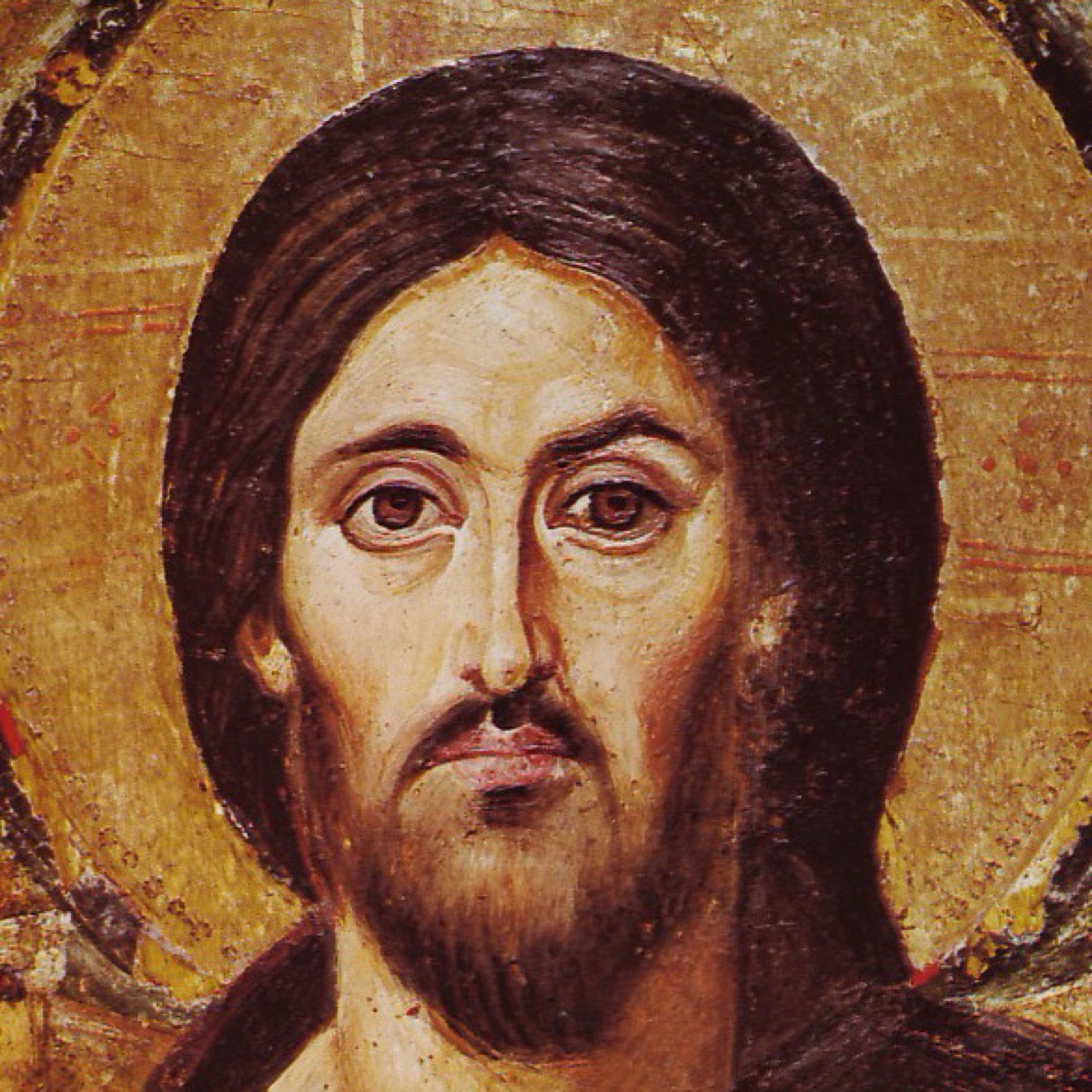
The icon usually places Christ in glory at the center, with Moses and Elijah on either side and the three apostles below, often falling or shielding themselves before the light. The composition teaches theology visually: Christ is the center; the Law and Prophets bear witness; the apostles are overwhelmed; divine glory is real and merciful, but not casual.
For beginners, the icon is often the easiest way to remember the feast. It shows that Transfiguration is not a generic symbol of self-improvement. It is the revelation of Christ's divine glory and the call for human life to be healed in Him.
How to read the icon without reducing it
The Transfiguration icon should not be read as a generic picture of "spiritual energy." Christ stands in the center because the feast is Christological. Moses and Elijah do not compete for attention; they bear witness. The apostles below show that divine revelation is overwhelming and received with fear, awe, and mercy.
The icon also protects the feast from becoming individualistic. The scene is full of Scripture and Church memory: Law, Prophets, apostles, divine voice, mountain, light, and the road toward the Cross. The viewer is not invited to chase an experience, but to listen to the beloved Son.
Why the feast is close to the Cross
The Transfiguration is often read with the Passion in view. Christ reveals His glory before the disciples see His humiliation, betrayal, suffering, and death. The light of Tabor does not cancel the Cross; it reveals who freely goes to the Cross. Orthodox hymnography therefore holds glory and suffering together rather than separating them into two different stories.
This matters spiritually because Christian transformation is not escape from suffering into religious brightness. The feast teaches hope without fantasy. The same Christ who shines on the mountain also walks toward Jerusalem, and the same Christian life that seeks illumination must also pass through repentance, patience, and love.
Do not chase brightness
The Transfiguration is not permission to chase private spiritual experiences. Orthodox worship receives the light of Christ through repentance, sacramental life, Scripture, prayer, humility, and love, not through curiosity or self-directed mystical ambition.
How to attend the feast well
If your parish serves Vespers or Divine Liturgy for the feast, attend when possible and listen for the connection between glory and the Cross. If fruit is blessed, bring it simply and receive the blessing with gratitude. If the feast falls during the Dormition Fast in your parish calendar, keep the day with the fasting guidance you have received locally.
At home, read the Gospel account, look carefully at the icon, and ask what needs transfiguration in ordinary life: resentment, distraction, fear, pride, or despair. The feast is not only about what happened on the mountain; it reveals where the Christian life is going.
Transfiguration and theosis
Orthodox theology often connects the Transfiguration with theosis, the healing and participation of the human person in the life of God by grace. This does not mean becoming God by nature. It means that salvation is more than external pardon: the human person is called to be purified, illumined, and united to God in Christ.
The light of the feast therefore speaks to the whole spiritual life. Prayer, fasting, confession, Communion, mercy, and worship are not religious decoration. They are ways the Church trains attention and desire toward the life revealed in Christ.
Transfiguration during the Dormition Fast
Because Transfiguration falls on August 6, it often comes in the middle of the Dormition Fast. This placement is spiritually important. The fast is not a dark season of religious pressure; it contains a revelation of Christ's glory. Glory and ascetic preparation belong together.
For a household, this means the feast can interrupt the fast with thanksgiving without erasing the fast. The parish calendar should guide the exact fasting practice and whether fruit is blessed. The larger lesson is clear: Orthodox fasting is ordered toward light, not toward gloom.
How a calendar app can serve this feast
Transfiguration is easy to miss because it falls in August, often during travel, heat, vacation, or school transitions. A calendar-aware app can help users notice the feast, remember whether it falls within the Dormition Fast, read the Gospel, and prepare fruit if that is local parish practice.
The app should not turn the fruit blessing into a checklist or replace the parish calendar. Its best role is modest and useful: keep the feast visible, connect it to prayer and Scripture, and remind the user that Christ's glory is the center.
What not to misunderstand
The Transfiguration should not be reduced to private mystical experience. The feast belongs to the Church's worship, Scripture, hymnography, iconography, and sacramental life. It teaches that the glory of God is revealed in Christ, and that the Christian life is a slow conversion of the whole person toward Him.
Transfiguration and ordinary attention
The feast also teaches ordinary attention. The apostles are not given control over the vision; they receive what God reveals. Likewise, Orthodox Christians do not manufacture holiness by force. They learn to stand before Christ, listen to the Father, and let prayer, fasting, confession, Communion, and mercy slowly heal perception.
This makes the feast practical. It asks whether the Christian can begin to see the world as gift, the body as called to resurrection, and suffering as something Christ enters rather than something outside His glory. The light of Tabor trains hope without denying the Cross.
Transfiguration study path
Read the feast together with the Church year and Orthodox teaching on salvation.
Source note
This article follows the Gospel accounts and Orthodox liturgical interpretation, especially the Orthodox Church in America's explanation of the feast. Local customs around fruit blessing and calendar dates may vary by parish and jurisdiction.
Questions people ask
When is the Orthodox Transfiguration?
It is kept on August 6 according to the parish calendar. Old Calendar communities often observe it on August 19 civil calendar.
Why do Moses and Elijah appear?
They witness to Christ as the fulfillment of the Law and the Prophets and show that He is Lord of the living and the departed.
Why are grapes blessed?
The blessing of fruit expresses gratitude for creation and the hope that all creation is renewed in Christ.
Is Transfiguration only about mystical experience?
No. The feast belongs to the Church's worship and reveals Christ's glory before the Cross, the fulfillment of Scripture, and the healing destiny of creation.
Is the light of Tabor just a symbol?
Orthodox worship treats the light of Tabor as the revelation of Christ's divine glory, not merely a poetic image of moral improvement.
Why does Transfiguration fall during the Dormition Fast?
Because the fixed feast is August 6, it falls within the August 1-14 Dormition Fast. This places divine glory and ascetic preparation together.
How should beginners keep Transfiguration?
Follow the parish calendar, attend the feast if possible, read the Gospel account, look carefully at the icon, and receive any fruit blessing with gratitude rather than superstition.
Source Trail
Read this topic with the Church, not only the internet.
These links give a cautious path for checking the topic further. They do not replace parish worship, confession, pastoral guidance, or the calendar used by your bishop and local parish.
Carry The Feast
Let the Church year shape daily prayer.
Orthodox Daily Prayer helps you keep the feast, Scripture, fasting awareness, and saints close to your ordinary rhythm.