Holy Saturday is the great Sabbath. Christ lies in the tomb, yet Orthodox worship already announces that death is being destroyed from within. The day is quiet, luminous, and theologically profound.
The Church does not pass quickly from Good Friday sadness to Paschal celebration. Holy Saturday teaches the mystery of Christ's descent to the dead and the liberation of those held by death.
Christ truly rests in the tomb, yet death is being broken from within by the Lord of life.
The readings show creation, deliverance, prophecy, and salvation moving toward Pascha.
The Church waits without rushing grief away, because hidden victory is already present.
Great Sabbath
Holy Saturday is not empty waiting; Life is breaking death from within.
The Church stands before the tomb without rushing to Pascha too soon. Christ truly rests in death, and yet His descent is already the hidden victory of salvation.
- Stay with the tomb.Orthodox worship does not skip burial, silence, or the reality of death.
- Hear the Scriptures converge.Creation, Exodus, prophecy, Jonah, and deliverance point toward Christ's victory.
- Prepare for Pascha quietly.Cooking, travel, and errands should not erase the day's stillness, prayer, and reverence.
Pastoral note
Holy Saturday can be crowded with errands, cooking, travel, and Pascha preparation. Keep at least one quiet anchor if possible: a service, a Gospel reading, prayer for the departed, or stillness before the icon of Christ's descent into Hades.
Blessed Sabbath System
Holy Saturday teaches victory by burial, Scripture, baptism, and holy waiting.
The Orthodox services do not treat Holy Saturday as a gap between Cross and Resurrection. The tomb, the Epitaphios, the long scriptural readings, the baptismal language, and the first Paschal light reveal one mystery: Christ enters the depths of death and begins the renewal of creation from within.
Holy Saturday keeps the burial real while confessing that death has received the Life it cannot hold.
The icon-cloth and the hymns train the faithful to wait beside the tomb instead of rushing past it.
Creation, Exodus, Jonah, prophecy, and deliverance are heard as one story fulfilled in Christ.
Holy Saturday's baptismal language shows that Pascha is not only observed; it is entered sacramentally.
Orthodox hope is not vague optimism; it is grounded in Christ entering death and breaking its captivity.
The Church is still at the tomb, yet Paschal joy already presses through the silence.
The tomb and the descent
The tomb is not empty yet, but it is no longer simply a place of defeat. Christ enters death as Life. Orthodox hymnography speaks of Hades being shattered and the dead being called toward freedom.
This is one reason Holy Saturday is so important in Orthodox theology. The Church does not leap over the tomb. Christ's death is real, His burial is real, and His descent to the dead is confessed as part of His saving work. The silence of the day is not emptiness; it is the hidden victory of Life inside death.
The name Great Sabbath is important. In Genesis, God rests after creation. On Holy Saturday, Christ rests in the tomb after the work of redemption, and a new creation is about to be revealed. The day is therefore not a pause in the story. It is a holy rest in which the mystery of salvation is being completed beneath the surface of visible events.
Holy Saturday learning sequence
Holy Saturday teaches the Resurrection by waiting: tomb, descent, Scripture, first light, Pascha.
Tomb To Pascha
Read Holy Saturday as hidden victory, not empty delay.
Holy Saturday is the Great Sabbath: Christ rests in the tomb according to the flesh, descends to the dead, and death is broken from within. The Church waits because the victory is already at work before the Paschal proclamation is heard.
| Theme | Meaning |
|---|---|
| Great Sabbath | Christ rests in the tomb after His Passion. |
| Descent into Hades | Christ enters the realm of death to destroy its power. |
| Old Testament readings | The Church hears the long preparation for salvation. |
| Paschal light | The first signs of Resurrection joy begin to appear before midnight. |
The Vesperal Liturgy and the first light
Many Orthodox parishes serve the Vesperal Divine Liturgy of Holy Saturday with Old Testament readings that show the long preparation for salvation. The mood begins to change. The Church has not yet reached the midnight proclamation, but the victory of Christ is already pressing through the darkness.
The change in tone should not be rushed. Holy Saturday teaches waiting. The faithful learn that God can work where human beings see only silence, burial, and defeat.
For beginners, it helps to know that service schedules vary. Some parishes serve the Vesperal Liturgy in the morning, others at a different time according to local practice. The theological point is not the clock alone. The service belongs to the Church's movement from the tomb toward the Resurrection, and it begins to let Paschal light enter before the midnight proclamation.
The change of vestments and tone
In many parishes the Holy Saturday Vesperal Liturgy includes a visible shift in color and mood. Local practice differs, but the theological movement is the same: the Church is still at the tomb, yet the first light of Pascha is already breaking through. The service holds restraint and joy in a single liturgical movement.
Visitors can find this confusing if they expect a simple emotional sequence: sad Friday, happy Sunday. Orthodoxy is more patient. Holy Saturday does not rush grief away; it lets the hidden victory of Christ begin to illumine the tomb before the midnight proclamation sounds in full.
Why the Old Testament readings matter
The readings are not decorative background before Pascha. They show that Christ's victory fulfills the whole movement of salvation history: creation, judgment, deliverance through water, prophecy, exile, return, and the promise of life. Holy Saturday teaches that the Resurrection is not an isolated miracle but the fulfillment of God's saving work.
For a visitor, the number of readings can feel demanding. Their purpose is to let the Church hear the long story before the Paschal cry. The waiting becomes scriptural, not empty.
This is one of the reasons Holy Saturday is so valuable for Orthodox education. It teaches people to read Scripture as a unified history of salvation rather than as isolated moral lessons. The readings move through creation, deliverance, judgment, prophecy, and hope because all of these find their fulfillment in Christ's passage through death into life.
Jonah, the sea, and deliverance
Among the scriptural patterns heard around Holy Saturday, Jonah is especially important in Christian interpretation. The prophet's three days in the depths point toward Christ's burial and victory. The sea, the belly of the creature, the prayer from the depths, and the deliverance all become part of the Church's language for Christ entering death and bringing life.
This is why Holy Saturday cannot be reduced to a pause in the schedule. The Old Testament is being read through Christ, and Christ is revealing the deepest meaning of Israel's Scriptures. Creation, exodus, prophecy, exile, return, and deliverance all converge as the Church waits beside the tomb.
Adam, Eve, and the Paschal icon
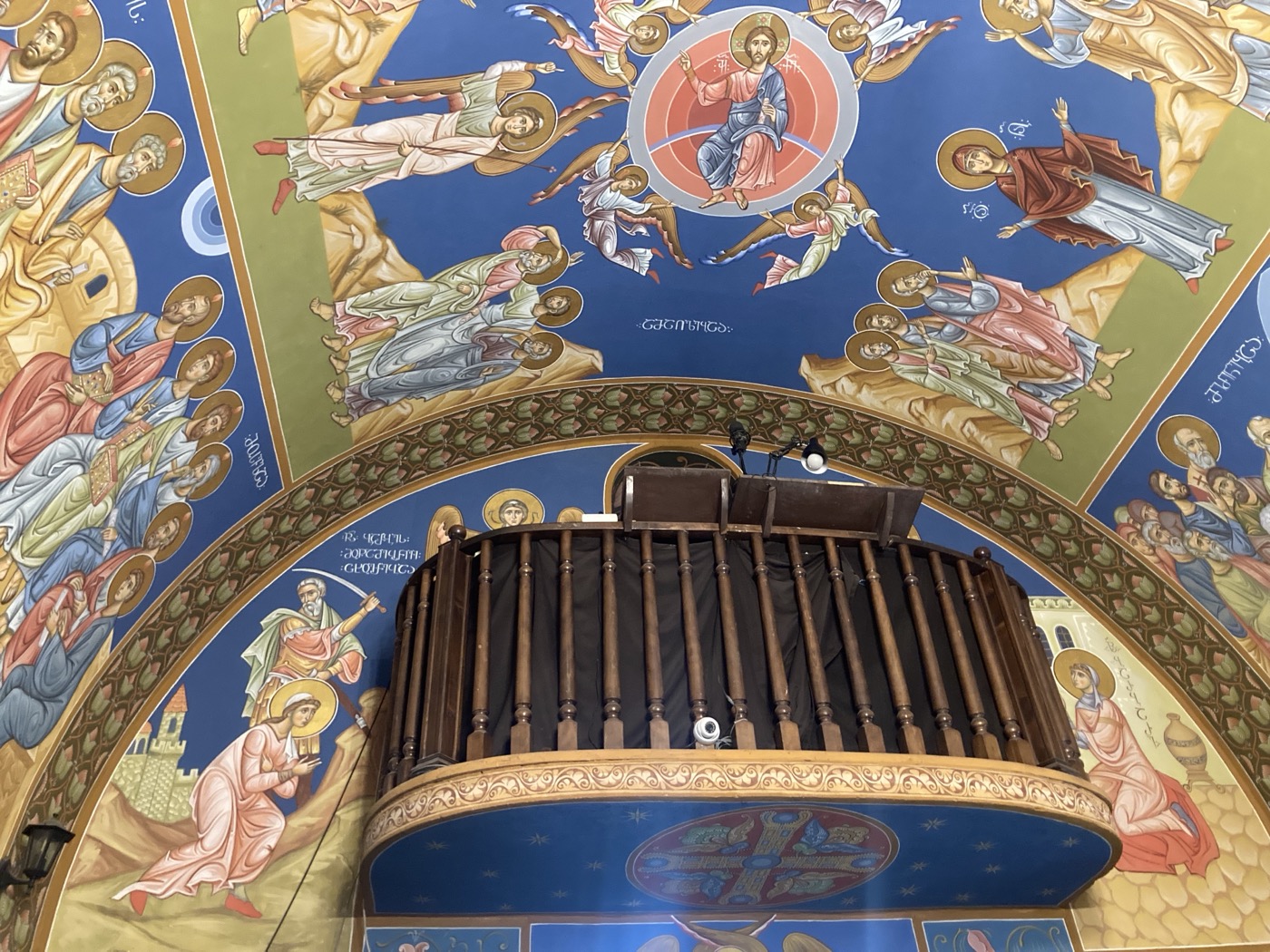
The Paschal icon of the Resurrection often shows Christ pulling Adam and Eve from the tombs. This is not a decorative detail. It shows that Christ's victory reaches the whole human condition. Holy Saturday is the doorway into that icon: Christ enters the realm of death and liberates humanity from its captivity.
For someone new to Orthodoxy, this can clarify why the Church's Paschal proclamation is so cosmic. Pascha is not only a statement that Jesus personally survived death. It is the announcement that death itself has been invaded and broken by the Life of God. Adam and Eve stand for all humanity being raised by Christ.
How to keep Holy Saturday
Attend the Vesperal Liturgy if possible, keep the day soberly, and let the Church's waiting teach patience. Holy Saturday is not empty time before Pascha. It is the hidden center where death is being undone.
Practically, Holy Saturday should be protected from becoming only errands, cooking, cleaning, and social preparation. Those things may be necessary, especially in family life, but they should not swallow the day. A small amount of silence, Scripture, church attendance, and restraint can help the household stay connected to the meaning of the feast.
If the day is busy, choose one concrete anchor: attend the service, read the Holy Saturday readings available in a service book, pray for the departed, or sit quietly before the icon of Christ's descent into Hades. The aim is not to manufacture a mood. The aim is to remain with the Church at the tomb until Pascha arrives as gift.
Waiting is part of the theology
Holy Saturday teaches that God's victory may be hidden before it is announced. The faithful know Pascha is coming, yet the Church still stands at the tomb. This waiting is not pretend ignorance. It allows the body and heart to learn that salvation includes silence, burial, descent, and patient hope.
For modern readers, this is one of the hardest lessons of the week. Holy Saturday refuses instant resolution. It teaches that Christ is at work even where nothing appears to move, and that the Resurrection is not a denial of death but victory through it.
Why the descent into Hades matters
Orthodox Paschal iconography often shows Christ breaking the gates of death and raising Adam and Eve. Holy Saturday is the theological doorway into that image. The Resurrection is not only an event at an empty tomb; it is Christ's victory over the captivity of death itself.
This is why Orthodox Christians often speak of Christ trampling down death by death. The phrase is not poetic exaggeration. It names the mystery Holy Saturday holds in silence: death receives Life and is broken from within.
The silence before Pascha is not emptiness
Holy Saturday can feel suspended: the Cross has happened, the tomb is real, and the full Paschal cry has not yet sounded. Orthodox worship treats this silence as full, not empty. Christ rests in the tomb according to the flesh while His victory reaches the dead.
For readers and visitors, this helps explain why Holy Saturday should not be skipped psychologically. The Church does not leap from Crucifixion to celebration without passing through the mystery of the tomb. Waiting becomes part of the proclamation.
Holy Saturday and the departed
Holy Saturday can deepen Orthodox prayer for the departed because it proclaims that Christ has entered death itself. The Church's memorial prayers are not based on vague optimism. They are rooted in the Paschal faith that Christ is Lord of both the living and the dead.
This does not make grief easy, and it should not be used to rush mourners. Holy Saturday gives a sober hope: Christ knows the tomb from within, and His victory reaches places human love cannot reach by its own strength. For many people, this is one of the most consoling truths of the Orthodox faith.
What visitors should know
If you are visiting an Orthodox parish on Holy Saturday, expect the day to feel layered. It may include long readings, shifts in tone, people preparing for the midnight Paschal service, and a quiet intensity that is different from both Good Friday and Pascha. You do not need to understand everything at once.
The best posture is simple: stand, listen, read along if service books are available, and let the Church's worship teach you. If you are not Orthodox, do not assume you should receive Communion. Speak with the priest later if the services awaken serious questions about the faith.
What Holy Saturday corrects
Holy Saturday corrects two shallow readings of Easter. It corrects despair, because death is not final. It also corrects shallow celebration, because the Resurrection is not a bright feeling placed on top of pain. Christ's victory passes through real death, real burial, and the hidden work of God where human eyes see only stillness.
Why this day matters for prayer
Holy Saturday gives language to people who are waiting without visible resolution: the sick waiting for news, the grieving waiting through absence, the repentant waiting for healing, and the faithful waiting for God in silence. The day does not give a technique for controlling outcomes. It gives the Church's confession that Christ is at work even in the depths.
For personal prayer, this can become very simple. Read a psalm, sit quietly before an icon, remember the departed, keep the fast as you are able, and let the coming Paschal proclamation arrive as gift rather than performance. The Church's waiting is already full of Christ.
Holy Saturday as Orthodox catechesis
Holy Saturday is one of the strongest arguments against reducing Orthodoxy to aesthetics. The beauty of the services is real, but the content is immense: Incarnation, death, descent, Scripture, Adam and Eve, the defeat of Hades, the departed, the coming Paschal proclamation, and the renewal of creation.
A serious Orthodox education should therefore give Holy Saturday more than a passing mention. It explains why the Paschal icon shows Christ raising humanity, why the Church reads the Old Testament as fulfilled in Christ, and why Christian hope is not an escape from death but victory through Christ's entrance into death.
Holy Saturday study path
Read Holy Saturday with burial, salvation, Pascha, and the whole Holy Week path.
Source note
This guide follows Orthodox Holy Week liturgical teaching and the Orthodox Church in America's material on Holy Saturday. Service timing and local customs can vary by parish.
Questions people ask
What is Orthodox Holy Saturday?
It is the day Christ rests in the tomb and the Church contemplates His descent to the dead before Pascha.
Is Holy Saturday already Pascha?
It is not yet the full Paschal proclamation, but the first light of victory is already present in the services.
Why are there many Old Testament readings?
They show salvation history moving toward Christ's victory over death.
Why is Holy Saturday called the Great Sabbath?
It is called the Great Sabbath because Christ rests in the tomb after His saving Passion, while the Church confesses that death is already being broken from within.
Source Trail
Read this topic with the Church, not only the internet.
These links give a cautious path for checking the topic further. They do not replace parish worship, confession, pastoral guidance, or the calendar used by your bishop and local parish.
Waiting With The Church
Let the calendar carry the meaning of the day.
Orthodox Daily Prayer helps keep Holy Week, Scripture, prayer, and fasting awareness connected.